DEF 14A: Definitive proxy statements
Published on March 12, 2026
UNITED STATES
SECURITIES AND EXCHANGE COMMISSION
Washington, DC 20549
PROXY STATEMENT PURSUANT TO SECTION 14(a)
OF THE SECURITIES EXCHANGE ACT OF 1934
(Amendment No. )
☑ |
Filed by the Registrant |
☐ |
Filed by a Party other than the Registrant |
Check the appropriate box: |
|
☐ |
Preliminary Proxy Statement |
☐ |
Confidential, for Use of the Commission Only (as permitted by Rule 14A-6(E)(2)) |
☑ |
Definitive Proxy Statement |
☐ |
Definitive Additional Materials |
☐ |
Soliciting Material under §240.14a-12 |

(Name of Registrant as Specified in Its Charter)
(Name of Person(s) Filing Proxy Statement, if other than the Registrant)
Payment of Filing Fee (Check all boxes that apply): |
|
☑ |
No fee required. |
☐ |
Fee paid previously with preliminary materials. |
☐ |
Fee computed on table in exhibit required by Item 25(b) per Exchange Act Rules 14a-6(i)(1) and 0-11. |
A Letter from Our Board's Leadership |
|

A Letter from
Our Board’s Leadership
|
|
|
|
|
|
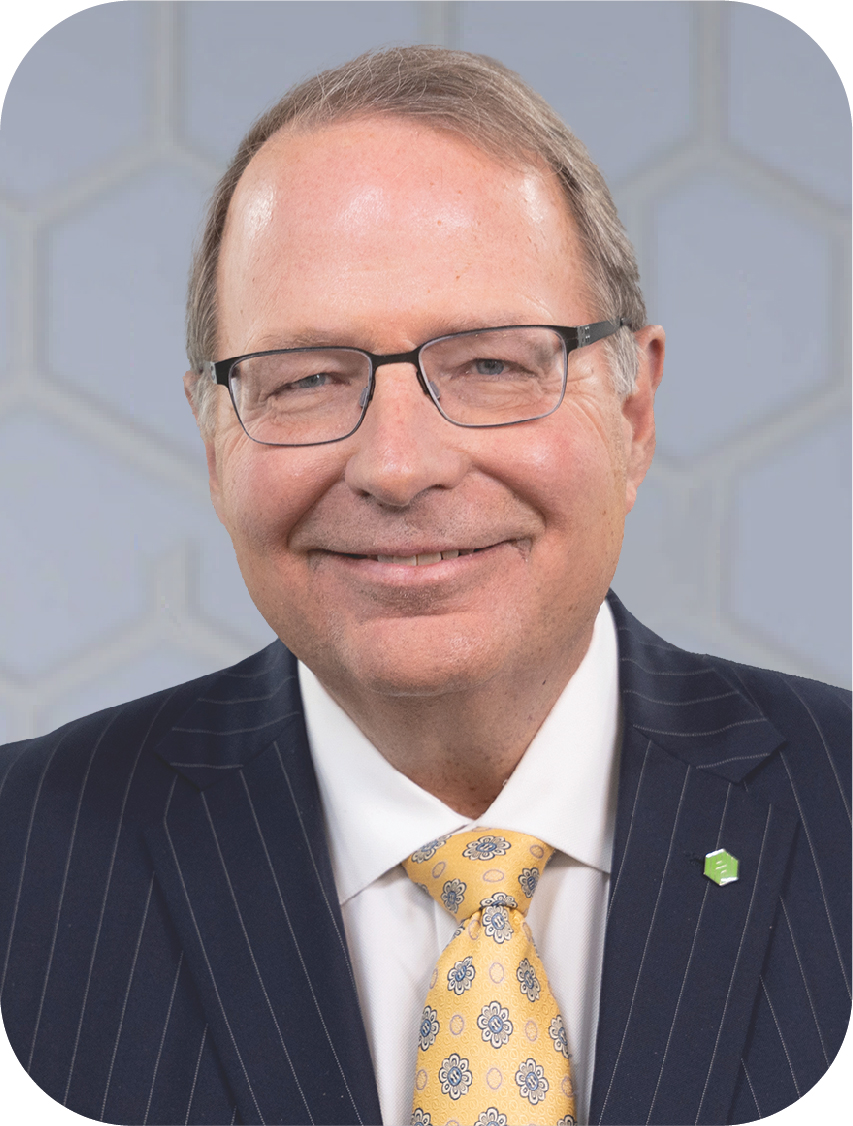
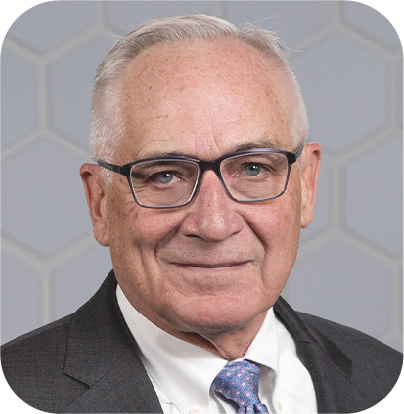
Stephen D. Steinour |
|
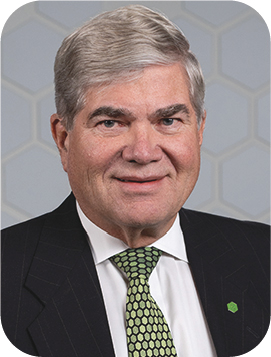
David L. Porteous |
Chairman, President, and CEO |
|
Independent Lead Director |
Dear Fellow Shareholders:
We are pleased to invite you to the 2026 Annual Meeting of Shareholders to be held virtually on Wednesday, April 22, 2026, at 2:00 p.m. Eastern Time via webcast. We hope you will join us online and participate in this year’s meeting to consider the matters described in the following Notice of Annual Meeting and Proxy Statement and review highlights of the past year.
When looking back at 2025, it was a transformational year for Huntington marked by strong execution, peer-leading growth, and a focus on Our Purpose: making people’s lives better, helping businesses thrive, and strengthening the communities we serve. Our results reflect our focused execution on our organic growth strategy and the power of our differentiated business model. During 2025, we delivered 11 percent revenue growth and generated approximately $10 billion of organic loan growth during the year, exceeding the loan growth added through combinations, along with approximately $5 billion of core deposit growth, driven by expanding primary bank relationships.
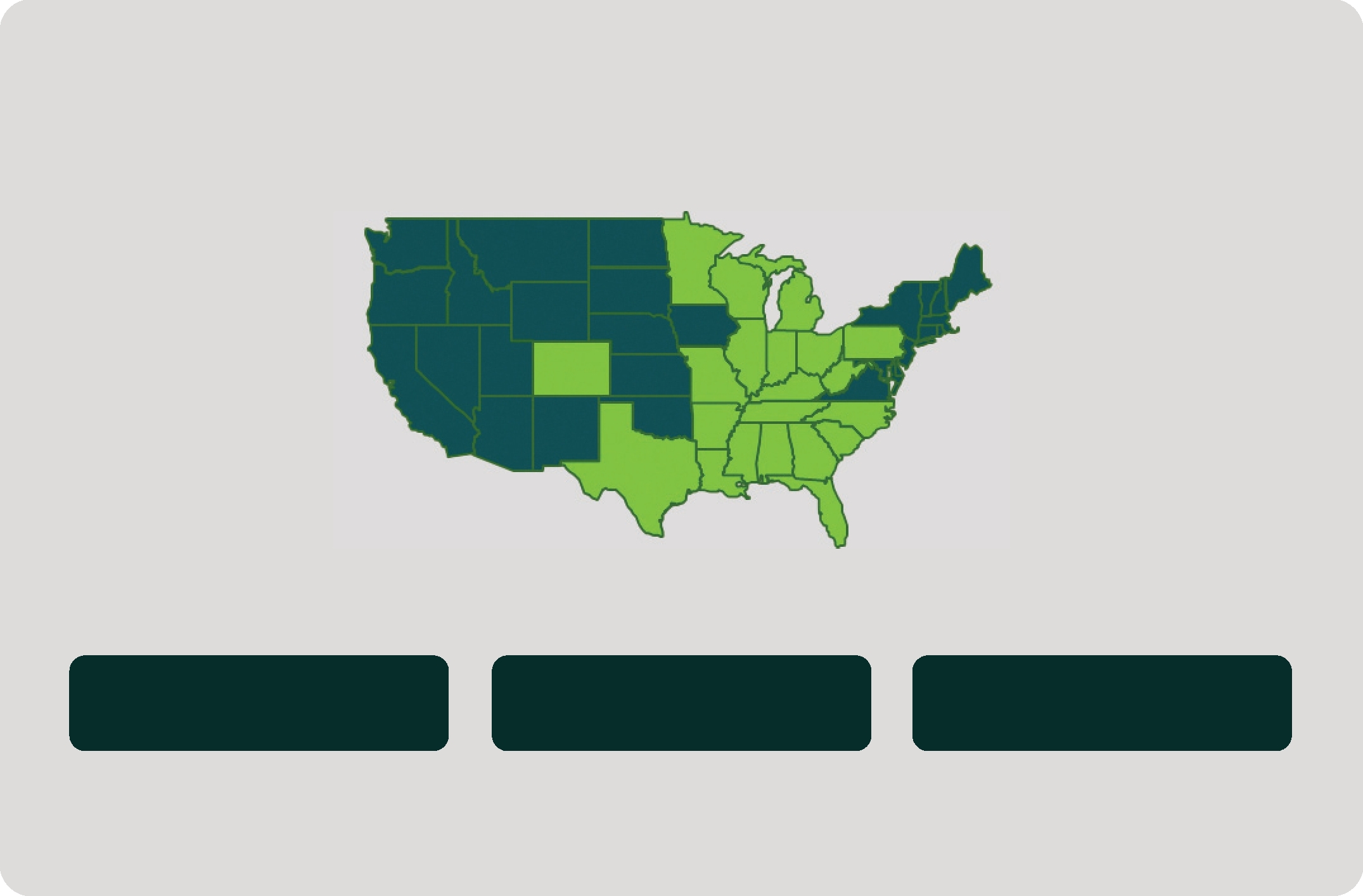
During 2025, we took many actions to position Huntington for sustained growth over the longer term. We continued our branch build-out in North and South Carolina, expanded our business 23 percent organically in Texas, and brought our middle-market banking capabilities to Florida. We announced key combinations with Veritex and Cadence, creating a powerful springboard for future growth and cementing our position as a top‑10 U.S. bank. These combinations bring our full franchise to 21 states, connecting us with more than half of the U.S. population and opening the door to high‑growth markets across Texas and the South. We also completed a transaction with Janney Montgomery Scott LLC to significantly expand our capital markets platform, increasing the breadth of our financial advisory and fixed income trading. Additionally, we added functionalities and services within our commercial payments platform. We executed several integrated partnerships to deliver new fintech solutions for our consumer and small business customers. We continued to invest in our digital capabilities and in the deployment of AI implementations. These initiatives all serve to expand the breadth of the customers we serve, deepen our relationships, and help accelerate our revenue growth.
Our commitment to doing the right thing for all our constituents serves as a strategic driver for growth and, throughout the year, we continued to focus on issues important to our business and stakeholders while driving impact deep within our communities. In 2025, we received our third consecutive “Outstanding” rating for the Community Reinvestment Act, and our community impact capital financed over 8,000 affordable housing units through approximately $1 billion in investments and loans. At the same time, we expanded our support for organizations driving meaningful change.
At the Cadence closing on February 1, 2026, we welcomed three seasoned Cadence Directors onto our Board, which include James D. (Dan) Rollins III, Virginia A. Hepner, and Alice L. Rodriguez. Mr. Rollins is currently the Vice Chairman of Huntington and Huntington Bank, having served as the Chairman of the Board of Cadence since April 2014, and CEO of Cadence since November 2012 until February 1, 2026. Mr. Rollins will provide advisory services to Huntington, and he brings significant financial services
1 | 2026 Proxy Statement
|
A Letter from Our Board's Leadership |

expertise, as well as knowledge of the Texas and southern markets and communities. Ms. Hepner joined the Cadence Board in 2019 (formerly, State Bank Financial Corporation). Ms. Hepner brings to the Huntington Board of Directors over 25 years of corporate finance experience with Wachovia Bank and its predecessors, and she is the retired President and Chief Executive Officer of The Woodruff Arts Center, a nationally-esteemed visual and performing arts center in Atlanta, Georgia. Ms. Rodriguez joined the Cadence Board of Directors in January 2025. She is a co-owner of Kendall Milagro Inc., a retired executive of JPMorgan Chase & Co., and she brings to the Huntington Board of Directors significant financial services, community service, and leadership expertise. All of Huntington's current 15 Directors are nominated and standing for election at this year's Annual Meeting of Shareholders.
In summary, 2025 was an extraordinary year for Huntington. Our outstanding financial results reflect the substantial investments we have made in our capabilities over the past several years, and we intend to continue investing across all elements of our franchise going forward. We believe we have a compelling flywheel for value creation that will support our peer-leading organic growth, fuel top-tier returns, and drive sustainable competitive advantage. We are grateful to all Huntington colleagues for their caring and efforts to support each other and our customers during this time of great change. Our colleagues went above and beyond in 2025 and have carried that energy, passion, and commitment to trust and care into 2026. We appreciate the guidance and dedication from our Directors throughout this past year. We also appreciate you, our shareholders, for your trust in our good company. Thank you for your support of Huntington, and we look forward to your participation at the 2026 Annual Meeting of Shareholders.
Best wishes,
|
|
|
|
Stephen D. Steinour Chairman, President, and CEO |
David L. Porteous |
|
|
|
March 12, 2026 |
2026 Proxy Statement | 2
Notice of 2026 Annual Meeting of Shareholders |
|
Notice of 2026 Annual Meeting
of Shareholders
April 22, 2026 Wednesday, 2:00 p.m. Eastern Time Location: Online at meetnow.global/MC9UU7K |
HOW TO VOTE YOUR SHARES |
||||||
Online |
|||||||
|
Registered holders www.envisionreports.com/HBAN Beneficial owners |
||||||
Matters to be Considered and Voted Upon: |
|
Follow the instructions provided in |
|||||
Proposal 1 |
Election of Directors |
|
FOR
each Director nominee |
|
|
By Phone |
|
|
|
Page 18 |
|
Call the phone number at the top of your |
|||
Proposal 2
|
Advisory resolution to approve, on a non-binding basis, the compensation of executives as described in the proxy materials |
|
FOR |
|
|
By Mail |
|
|
Page 72 |
|
|||||
|
|
|
|
Complete, sign, date, and return your |
|||
|
|
|
|
||||
Proposal 3 |
Ratification of the appointment of PwC
|
|
FOR |
|
|
Online during the meeting |
|
|
Page 110 |
|
Attend and vote online during the virtual |
||||
Other business that properly comes before the meeting |
|
||||||
Information for Shareholders Who Plan to Attend the 2026 Annual Meeting of Shareholders Huntington’s Board is furnishing shareholders with this Proxy Statement to solicit proxies on its behalf to be exercised at the 2026 Annual Meeting of Shareholders, and any postponements or adjournments thereof, and we are first making this Proxy Statement available on or about March 12, 2026. Shareholders will be able to attend and participate in the Annual Meeting online, vote their shares electronically, and submit questions during the meeting by visiting meetnow.global/MC9UU7K at the meeting date and time. Record Date: Huntington shareholders as of the close of business on February 24, 2026, will be entitled to vote at our annual meeting and at any postponements or adjournments of the meeting. Your vote is important. Please submit your proxy as soon as possible via the internet, mail, or telephone. If your shares are held by a Broker, it is important that you provide instructions to your Broker so that your vote is counted on all matters. 2026 Virtual Annual Shareholder Meeting Huntington will once again hold a virtual annual meeting in order to facilitate shareholder attendance and participation by enabling shareholders to participate from any location and at no cost. Shareholders as of the Record Date will be able to attend the meeting online, vote shares electronically, and submit questions during the meeting by visiting meetnow.global/MC9UU7K at the meeting date and time. The meeting webcast will begin promptly at 2:00 p.m. Eastern Time on Wednesday, April 22, 2026. If you experience technical difficulties during the check-in process or during the meeting, please call (888) 724-2416 (U.S. toll-free) or +1-781-575-2748 (outside of U.S.) for assistance. See the General Information on Voting and the Annual Meeting section of the Proxy Statement for additional information on how to participate in this year’s meeting.
By Order of the Board of Directors,
Marcy C. Hingst General Counsel and Corporate Secretary March 12, 2026 |
|
Shareholders who hold their shares in street name should refer to the voting instructions provided by their Broker. |
|||||
|
|
||||||
|
|
||||||
|
Important Notice Regarding the
|
||||||
|
|
|
|||||
|
|
Voluntary E-Delivery of Proxy Materials |
|||||
|
We encourage our shareholders to enroll in electronic delivery of proxy materials: If you are a registered shareholder, please sign up at www.computershare.com/hban. If you are a beneficial owner, please contact your Broker for instructions. Electronic delivery offers immediate and convenient access to proxy materials. It also helps us reduce paper usage and our printing and shipping costs. |
||||||
|
|||||||







3 | 2026 Proxy Statement
|
Table of Contents |
Table of Contents
1 |
|
3 |
|
4 |
|
7 |
|
8 |
|
10 |
|
13 |
|
18 |
|
37 |
|
41 |
|
41 |
|
Continually Assessing and Enhancing Director Skills and |
45 |
48 |
|
53 |
|
67 |
|
69 |
|
71 |
|
72 |
|
73 |
|
95 |
|
96 |
106 |
|
109 |
|
110 |
|
112 |
|
113 |
|
113 |
|
114 |
|
116 |
|
117 |
|
117 |
|
120 |
|
120 |
|
121 |
|
122 |
|
122 |
|
123 |
|
124 |
|
124 |
|
125 |
|
125 |
|
126 |
Readers should refer to the Glossary at the end of this Proxy Statement for definitions of capitalized terms and acronyms used throughout.
2026 Proxy Statement | 4
Forward Looking Information |
|
Forward-Looking Information
This Proxy Statement contains certain forward-looking statements, including, but not limited to, certain plans, expectations, goals, projections, and statements, which are not historical facts and are subject to numerous assumptions, risks, estimates, and uncertainties that are beyond the control of Huntington. Statements that do not describe historical or current facts, including statements about beliefs and expectations, are forward-looking statements. Forward-looking statements may be identified by words such as expect, anticipate, continue, believe, intend, estimate, plan, trend, objective, target, goal, or similar expressions, or future or conditional verbs such as will, may, might, should, would, could, or similar variations. The forward-looking statements are intended to be subject to the safe harbor provided by Section 27A of the Securities Act of 1933, Section 21E of the Securities Exchange Act of 1934, and the Private Securities Litigation Reform Act of 1995.
While there is no assurance that any list of risks and uncertainties or risk factors is complete, below are certain factors which could cause actual results to differ materially from those contained or implied in the forward-looking statements or historical performance: changes in general economic, political, regulatory, or industry conditions; deterioration in business and economic conditions, including persistent inflation, supply chain issues or labor shortages, instability in global economic conditions and geopolitical matters, as well as volatility in financial markets; changes in U.S. trade policies, including the imposition of tariffs and retaliatory tariffs; the impact of pandemics and other catastrophic events or disasters on the global economy and financial market conditions and our business, results of operations, and financial condition; the impacts related to or resulting from bank failures and other volatility, including potential increased regulatory requirements and costs, such as FDIC special assessments, long-term debt requirements and heightened capital requirements, and potential impacts to macroeconomic conditions, which could affect the ability of depository institutions, including us, to attract and retain depositors and to borrow or raise capital; unexpected outflows of deposits which may require us to sell investment securities at a loss; changing interest rates which could negatively impact the value of our portfolio of investment securities; the loss of value of our investment portfolio which could negatively impact market perceptions of us and could lead to deposit withdrawals; market perceptions of us and banks generally, including from the effects of social media; cybersecurity risks; uncertainty in U.S. fiscal and monetary policy, including the interest rate policies of the Federal Reserve; volatility and disruptions in global capital, foreign exchange, and credit markets; movements in interest rates; competitive pressures on product pricing and services; success, impact, and timing of our business strategies, including market acceptance of any new products or services including those implementing our “Fair Play” banking philosophy; introduction of new competitive products, such as stablecoins, and new competitors such as financial technology companies and other “nontraditional” bank competitors; changes in policies and standards for regulatory review of bank mergers; the nature, extent, timing, and results of governmental actions, examinations, reviews, reforms, regulations, and interpretations, including those related to the Dodd-Frank Wall Street Reform and Consumer Protection Act and the Basel III regulatory capital reforms, as well as those involving the OCC, Federal Reserve, FDIC, and CFPB; the possibility that the anticipated benefits of recent or proposed acquisitions are not realized when expected or at all, including as a result of the impact of, or problems arising from, the integration of the companies or as a result of the strength of the economy and competitive factors in the areas where the companies do business; and other factors that may affect the future results of Huntington.
All forward-looking statements are expressly qualified in their entirety by the cautionary statements set forth above. Forward-looking statements speak only as of the date they are made and are based on information available at that time. Huntington does not assume any obligation to update forward-looking statements to reflect actual results, new information or future events, changes in assumptions or changes in circumstances or other factors affecting forward-looking statements that occur after the date the forward-looking statements were made or to reflect the occurrence of unanticipated events except as required by federal securities laws. If Huntington updates one or more forward-looking statements, no inference should be drawn that Huntington will make additional updates with respect to those or other forward-looking statements. As forward-looking statements involve significant risks and uncertainties, caution should be exercised against placing undue reliance on such statements.
See also the other reports filed with the SEC, including discussions under the “Forward-Looking Statements” and “Risk Factors” sections of Huntington’s Annual Report on Form 10-K for the year ended December 31, 2025, as filed with the SEC and available on its website at www.sec.gov.
The Corporate Responsibility-based objectives, plans, targets, goals, and commitments contained within this Proxy Statement are aspirational and considered forward-looking statements; as such, we make no guarantees or promises that they will be achieved or successfully executed. Statistics and metrics included in these disclosures are estimates and may be based on assumptions.
Information Not Incorporated into This Proxy Statement
Information contained on or accessible through our website at www.huntington.com or ir.huntington.com, including but not limited to, our various Corporate Responsibility reports, is not and shall not be deemed to be a part of this Proxy Statement by reference or otherwise incorporated into any other filings we make with the SEC, except to the extent we specifically incorporate such
5 | 2026 Proxy Statement
|
Forward Looking Information |
information by reference. Some of these statements and reports contain cautionary statements regarding forward-looking information that should be carefully considered. Our statements and reports about our objectives may include statistics or metrics that are estimates, make assumptions based on developing standards that may change, and provide aspirational goals that are not intended to be promises or guarantees. The statements and reports may also change at any time, and we undertake no obligation to update them, except as required by law.
2026 Proxy Statement | 6
Proxy Summary |
|

Proxy Summary
Your Vote is Important to Us
Regardless of whether you are planning to attend this year’s annual meeting, please submit your vote over the internet; by phone; or complete, sign, and return your proxy card as soon as you can so that we can be assured of obtaining a quorum.
Proposal 1: Election of Directors |
|
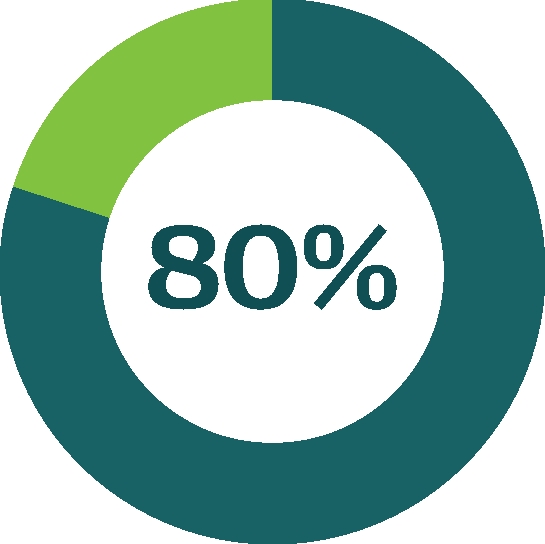
The Board proposes the election of 15 individuals as Directors at this annual meeting. All our nominees are seasoned leaders. Collectively, they bring an effective variety of skills, knowledge, experience, and perspectives to our Board. The independent Director nominees make up 80% of the Board. |
|
|
Our Board recommends a vote FOR the election of each of the nominees for Director. See page 18 for further information. |
Proposal 2: Advisory resolution to approve, on a non-binding basis, the compensation of executives as described in the proxy materials |
|
The Board and the HRCC believe that our compensation policies and procedures strongly align the interests of executives and shareholders and that our culture focuses executives on sound risk management and appropriately rewards executives for performance. |
|
|
Our Board recommends a vote FOR this proposal. See page 72 for further information. |
Proposal 3: Ratification of the appointment of the independent registered public accounting firm for 2026 |
|
The Board and the Audit Committee believe that the continued retention of PwC to serve as our independent registered public accounting firm is in the best interests of the Company and its investors. The Audit Committee will reconsider the appointment of PwC if its selection is not ratified by the shareholders. |
|
|
Our Board recommends a vote FOR this proposal. See page 110 for further information. |


|
|
|
|
|
|
|
TIME & DATE |
|
PLACE |
|
RECORD DATE |
|
VOTING |
2:00 p.m. Eastern Time |
|
Online at meetnow.global/MC9UU7K
|
|
Close of business on |
|
Common shareholders as of the Record Date are entitled to vote. Shareholders of record and most beneficial shareholders have several methods by which they can vote. Please refer to the Notice of 2026 Annual Meeting of Shareholders for voting methods. |




7 | 2026 Proxy Statement



|
Proxy Summary: Information Highlights |
Information Highlights
The following chart provides highlights of many of Huntington’s Corporate Responsibility and compensation practices. Shareholders should note, however, that this chart does not contain all the information provided elsewhere in this Proxy Statement; therefore, you should carefully read the entire Proxy Statement before casting your vote.
Topic |
Huntington’s Practice |
|
Board Composition, Leadership, and Operations |

Number of Director nominees |
15 |
Substantially independent Director nominees |
Yes, 80% of nominees are independent |
Independence of Audit Committee, HRCC, and NCG Committee |
100% |
Combined Chairman/CEO |
Yes |
Independent Lead Director with clearly defined authority and duties |
Yes |
Average Director nominee age |
65 years as of April 22, 2026 |
Mandatory retirement age |
75 years unless an exception is made |
Average Director nominee tenure |
8.0 years as of April 22, 2026 |
Overboarded Directors |
No nominee serves on more than two other public company boards |
Board evaluations |
Annual rigorous process, including a Board-level evaluation, committee-level evaluations, and one-on-one discussions between the independent Lead Director and each other Director; periodic use of a third party |
Director onboarding and ongoing education |
Yes |
Director election voting standard |
Majority of the votes cast for and against each nominee, with plurality carveout for contested elections |
Director election frequency |
Annual |
Blank check preferred |
Yes, but Huntington’s capital plan is submitted to the Federal Reserve |
Number of Board meetings held in 2025 |
17 |
Number of Board and committee meetings held in 2025 |
69 |
Average Board and committee meeting attendance in 2025 |
97.9% |
Executive sessions with only independent Directors |
Yes, scheduled for all regular quarterly Board meetings |
Direct access to management and other colleagues |
Yes, the Board has direct access |
Risk mitigation practices |
Established an aggregate moderate-to-low risk appetite for the enterprise with key risks overseen by Board committees |
2026 Proxy Statement | 10
Proxy Summary: Information Highlights |
|

Topic |
Huntington’s Practice |
|
Shareholder Rights |

Right to call special meetings |
Yes, by a majority of outstanding shares |
Right to act by written consent |
Must be unanimous |
One share, one vote policy |
Yes |
Dual-class common stock |
None |
Cumulative voting permitted |
No |
Supermajority voting requirements |
66.67% for charter or bylaw amendments |
Poison pill |
No |
Proxy access bylaw |
No |
Exclusive forum bylaw |
Yes, exclusive federal forum for Securities Act of 1933 claims |
Fee shifting bylaw |
No (prohibited by state law) |
|
Other Governance Highlights |

Shareholder engagement |
Ongoing throughout the year |
Council of Institutional Investors member |
Yes |
Independent auditor |
PwC (since 2015) |
|
Corporate Responsibility Practices |

Board oversight of Corporate Responsibility |
Yes |
Stakeholder assessment conducted |
Yes |
Human Rights Statement |
Yes |
Service Provider Code of Conduct |
Yes |
SASB Index disclosed |
Yes, included within our Corporate Responsibility Report |
PCAF member |
Yes |
EEO-1 data disclosure |
Yes, available on our website |
Pay Equity Comparison |
Yes, included within our Corporate Responsibility Report |
11 | 2026 Proxy Statement
|
Proxy Summary: Information Highlights |
Topic |
Huntington’s Practice |
|
Compensation and Human Resource Matters |

Succession planning for CEO and other executives |
Yes, at least annually |
CEO pay ratio |
135:1 |
Stock ownership guidelines |
10X salary for CEO and 3X for each NEO |
Dividend or dividend equivalents paid on equity grants prior to vesting |
No |
Prohibition on Director and executive officer hedging and pledging of Huntington stock |
Yes |
Performance-based compensation |
Yes, a majority of aggregate NEO LTI is based upon long-term performance; PSUs make up 60% of total annual LTI grant value for CEO and 55% for other NEOs |
Compensation tied to culture |
Yes, with performance reviews based 50% on what (goals) and 50% on how (behaviors supporting our Values) executives deliver |
Recoupment policy |
Yes |
Compensation metrics |
Balanced portfolio of metrics that drive annual and long-term goals in a risk appropriate manner |
Current frequency of say-on-pay vote |
Annual |
Double-trigger change-in-control provisions |
Yes |
Excise tax gross-ups |
No |
Repricing of previously-granted stock options without shareholder approval |
No |
Annual assessment of compensation programs |
Yes, against both peers and market best practices |
Incentive plans encourage excessive risk taking |
No |
Independent compensation consultant |
Pearl Meyer |
|
Corporate Information |

Common stock symbol |
HBAN |
Stock exchange |
Nasdaq |
Common stock outstanding as of the Record Date |
2,037,119,660 shares |
State of incorporation |
Maryland |
Year founded |
1866 |
Corporate headquarters |
Columbus, Ohio |
Registrar and transfer agent |
Computershare |
Corporate website |
huntington.com |
Investor Relations website |
ir.huntington.com |
2026 Proxy Statement | 12



















Election of Directors: Aggregate Characteristics of the Nominees |
|

Plan of Merger by and among Huntington, Huntington Bank, and Cadence Bank and the Letter Agreement by and between Mr. Rollins and Huntington, there are no other arrangements concerning the selection of Mses. Hepner and Rodriguez and Mr. Rollins as Directors.
Aggregate Characteristics of the nominees
The Board understands the importance of and is committed to maintaining a diverse group of Directors who can bring their unique and individual skills, experiences, talents, and points of view to the boardroom.
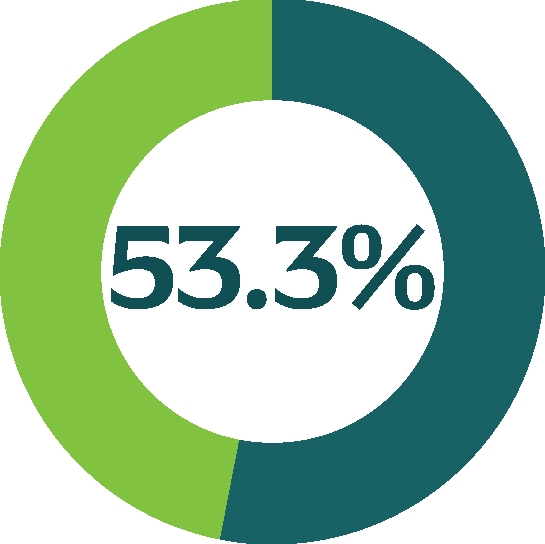
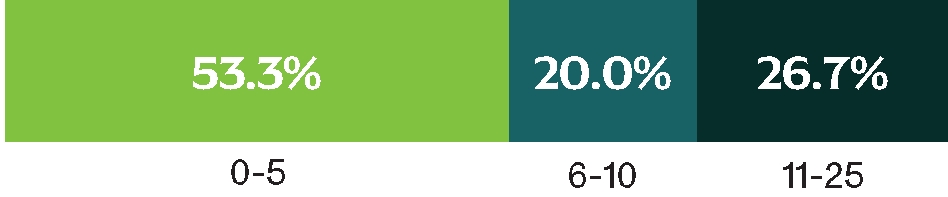
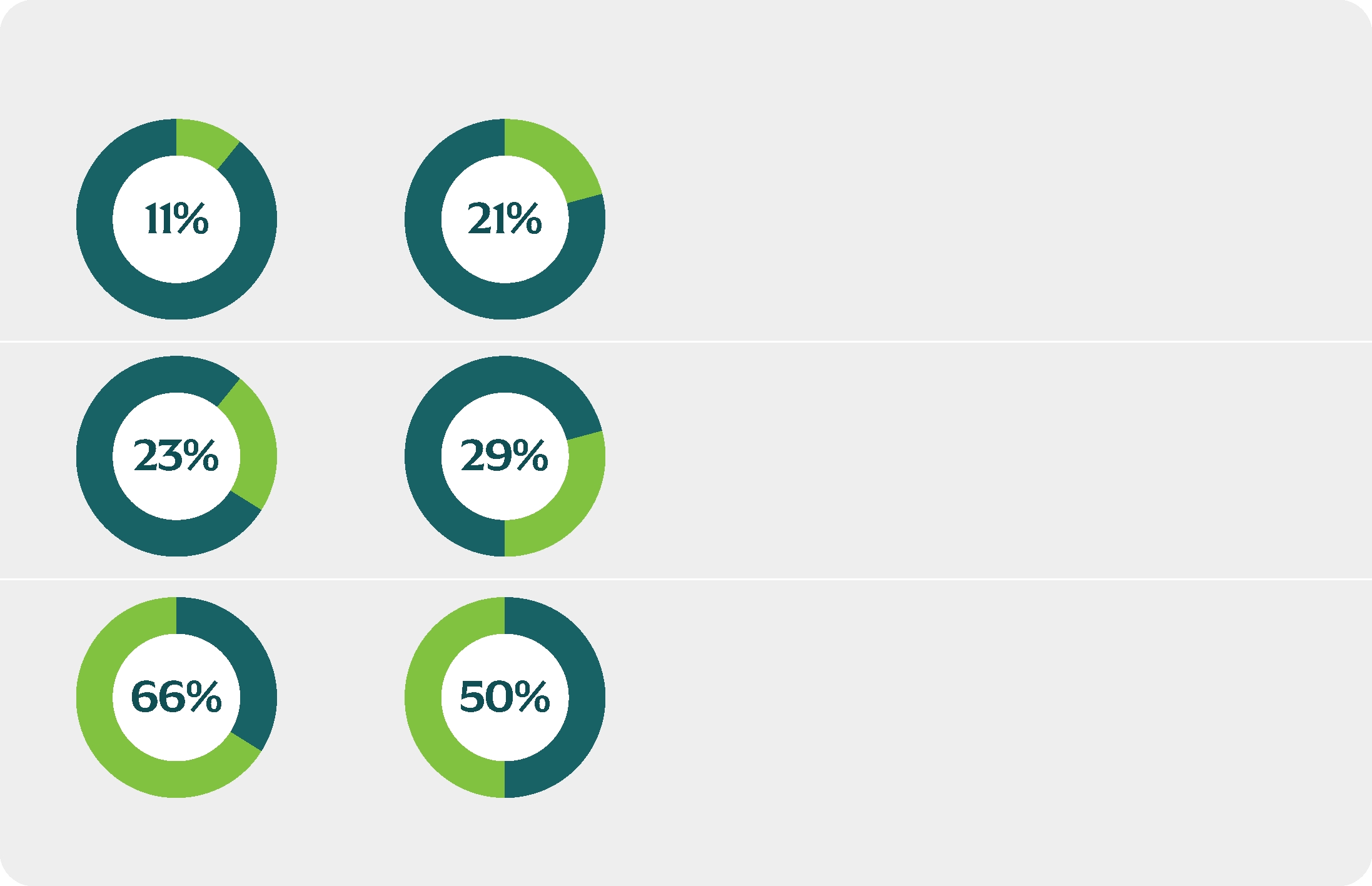
Our nominees for directorship represent well-rounded skills, knowledge, experience, perspectives, and characteristics. All our nominees are seasoned leaders. We also have a mix of newer and longer-term Directors among the nominees. As of the 2026 Annual Meeting, the average tenure of our Director nominees will be approximately 8 years, and the nominees will range in age from 53 to 73 years.
TOTAL DIVERSITY |
INDEPENDENT |
|
Average Tenure (years) |
|
|
|
|
|
|
|
Average Age (Years)
|
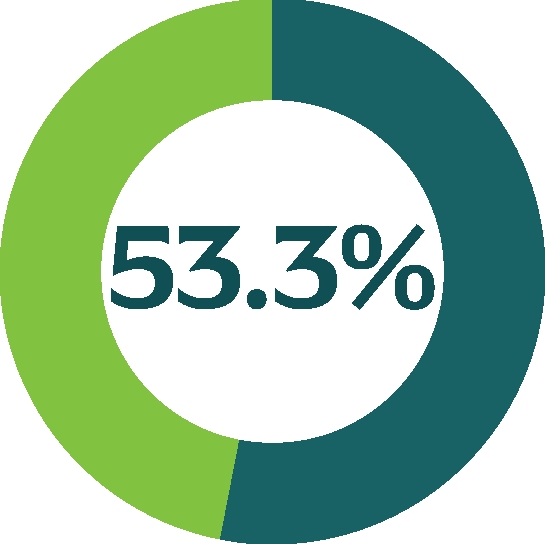
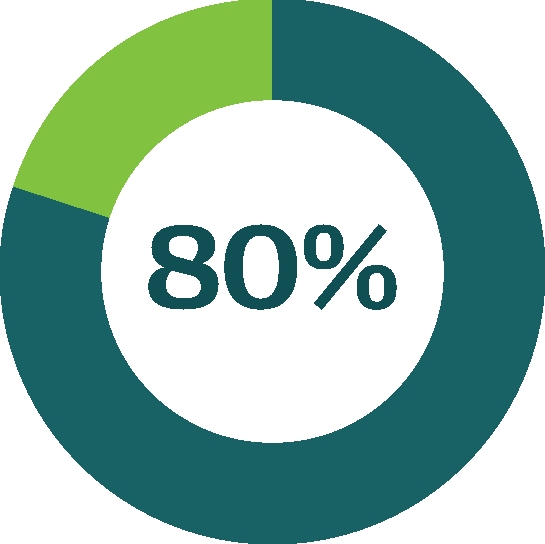
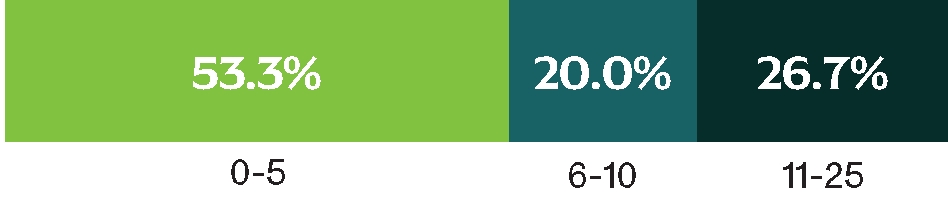

Note that some percentages may not equal 100% due to rounding.
The Board does not have a formal policy regarding diversity. The Board believes that its membership should include a range of skills, experiences, talents, and points of view. By maintaining diversity within the boardroom, the Board is setting the tone at the top.
The Corporate Governance Guidelines state that the NCG Committee will include highly qualified candidates who reflect a range of backgrounds in the pool from which nominees are chosen. The Board measures the success and efficacy of these practices by reviewing the composition of the Board on an ongoing basis.
19 | 2026 Proxy Statement
|
Election of Directors: Individual Director Nominee Characteristics |
Individual Director Nominee Characteristics
Skills and Experience |
Crane |
Diaz- |
Hepner |
Inglis* |
Kline |
Neu |
Phelan |
Porteous |
Rodriguez |
Rollins |
Shea |
Sit |
Steinour |
Tate |
Torgow |
|
|
|
|
|
|
|
|
|
|
|
|
|
|
|
|
Audit/Financial Reporting |
|
|
|
|
|
|
|
|
|
|
|
|
|
|
|
Prior experience working in finance, accounting, and/or audit, internally or externally, or otherwise qualifying as an Audit Committee Financial Expert. As a bank holding company with multiple subsidiaries and business lines, it is important to have Directors who understand auditing and financial reporting requirements. |
|||||||||||||||
Client/Consumer |
|
|
|
|
|
|
|
|
|
|
|
|
|
|
|
Experience leveraging technology to improve the customer experience online and in-store and driving omnichannel experiential initiatives. Customer marketing and branding experience with a digital mindset. We look out for people, and it is important to have Directors who understand the channels and strategies we use to connect to our customers. |
|||||||||||||||
Compensation |
|
|
|
|
|
|
|
|
|
|
|
|
|
|
|
Experience aligning compensation with strategy and performance, tying compensation to behaviors, and ensuring compensation plans do not encourage excessive risk taking. Experience developing a strong corporate culture and focusing on colleague engagement. Experience in human capital management. Looking out for people includes our colleagues, and having Directors with these skills helps ensure the Board is better able to oversee this area. |
|||||||||||||||
Corporate |
|
|
|
|
|
|
|
|
|
|
|
|
|
|
|
Experience with Corporate Responsibility practices, from a sustainability, governance, and/or reporting perspective, with a focus on leadership in modern board practices and corporate governance. We are continually striving to further integrate and advance Corporate Responsibility throughout the Company. Having Directors who understand the different facets of Corporate Responsibility is important to the Board’s ability to oversee this rapidly changing field. |
|||||||||||||||
Financial |
|
|
|
|
|
|
|
|
|
|
|
|
|
|
|
Experience with capital markets or financial market products and services and an understanding of payment platforms, models, systems, and technology. Financial services remain at the heart of Our Vision to become the country’s leading people-first, customer-centered bank. It is important to have Directors who can oversee how we realize Our Vision. |
|||||||||||||||
Government, |
|
|
|
|
|
|
|
|
|
|
|
|
|
|
|
Experience working closely with government officials at a local, state, or federal level; developing or leading public policy; or working in the government. Experience with regulators and regulatory issues. Banking and financial services are heavily regulated and are becoming more political in nature. Having Directors with this skill is important to the Board’s oversight. |
|||||||||||||||
Legal |
|
|
|
|
|
|
|
|
|
|
|
|
|
|
|
Significant experience as a lawyer at a firm, with the government, or as in-house counsel with a track record of assessing risk, implementing appropriate mitigation measures, and advising business clients. We have established an aggregate moderate-to-low risk appetite, and having Directors with a legal background helps us avoid and mitigate certain risks. |
|||||||||||||||
Public |
|
|
|
|
|
|
|
|
|
|
|
|
|
|
|
CEO or other senior executive (direct report to CEO) of a publicly traded company. It is important to have proven leaders on the Board who can oversee the Company’s management team as they execute on our strategies and goals. |
|||||||||||||||
Risk |
|
|
|
|
|
|
|
|
|
|
|
|
|
|
|
Deep experience with enterprise risk management principles and concepts as well as experience in identifying, assessing, and managing risk at a large, complex organization. Risk and risk management plays a significant role in our industry. As such, we have established an aggregate moderate-to-low risk appetite, and we need Directors with experience in avoiding and mitigating risks. |
|||||||||||||||
Strategic |
|
|
|
|
|
|
|
|
|
|
|
|
|
|
|
Experience leading complex mergers, acquisitions, or divestitures and direct involvement in the integration of people, systems, data, and operations. Strategic planning is important for any company, including Huntington, and we must be able to seize opportunities as they come. It is important that we have Directors who are able to oversee our business development planning activities and evaluation of opportunities. |
|||||||||||||||
Technology, |
|
|
|
|
|
|
|
|
|
|
|
|
|
|
|
Knowledge in cybersecurity and information technology systems and developments, either through academia or industry experience. Experience leading technology strategy for a large organization or experience managing security risks at a large organization. |
|||||||||||||||
|
|
|
|
|
|
|
|
|
|
|
|
|
|
|
|
Demographic Background** |
|
|
|
|
|
|
|
|
|
|
|
||||
Independent |
|
|
|
|
|
|
|
|
|
|
|
|
|
|
|
Tenure (Years) |
16 |
3 |
<1 |
8* |
7 |
16 |
7 |
22 |
<1 |
<1 |
2 |
5 |
17 |
5 |
5 |
Total Public |
1 |
1 |
3 |
2 |
2 |
2 |
2 |
1 |
1 |
1 |
1 |
1 |
2 |
1 |
2 |
Age (Years) |
69 |
53 |
68 |
71 |
54 |
70 |
66 |
73 |
61 |
67 |
66 |
64 |
67 |
56 |
69 |
*Mr. Inglis previously served on the Board from 2016 to 2021, which is included in his tenure. |
|
**The “as of” date reflects the date of the 2026 Annual Meeting. |
|||||||||||||


2026 Proxy Statement | 20
Election of Directors: Director Nominees |
|
Director Nominees
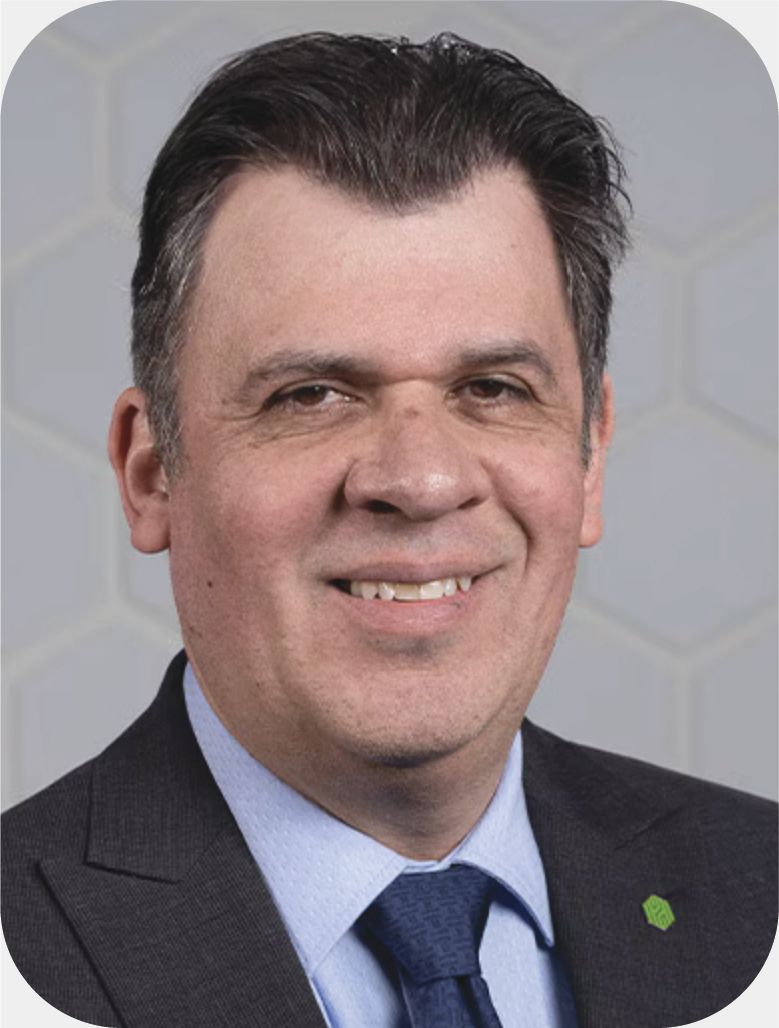
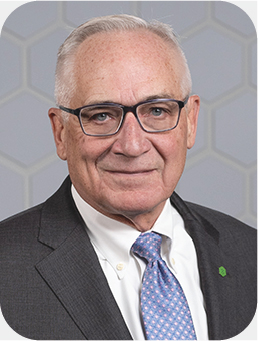
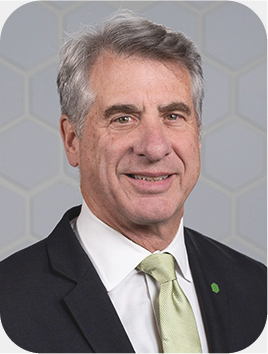
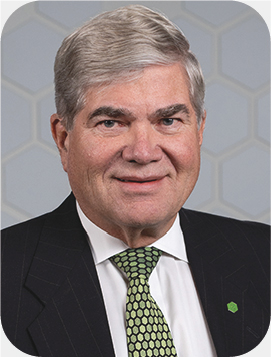
The following provides biographical information regarding each of the nominees, including the specific business experience, qualifications, attributes, and skills that were considered, in addition to prior service on the Board, when the Board determined to nominate them. As described in the following biographical information, each nominee brings significant experience to the Board and the committees on which they serve, leading to the Board’s determination that each of the nominees is well qualified to serve as a Director on Huntington’s Board.
21 | 2026 Proxy Statement






























|
Election of Directors: Compensation of Directors |
** A $2,000 per meeting fee is paid only when meetings exceed: 20 meetings in a calendar year for the Audit Committee and the Risk Oversight Committee; 8 meetings in a calendar year for all other committees; or 15 meetings in a calendar year for the Board. If the threshold for any committee (or the full Board) is not exceeded, then no meeting fee is paid for that meeting.
***These chair and member retainers also applied to the Community Development Committee for its two meetings held in 2025 prior to its integration into the NCG Committee, which occurred before the 2025 compensation increases took effect.
All fees payable in cash are paid in quarterly installments. A Director may defer all or a portion of the cash and equity compensation payable to the Director through participation in the Director Deferred Compensation Plan.
Director Compensation 2025
Name |
|
Fees |
|
Stock |
|
All Other |
|
Total |
|||
|
|
|
|
|
|
|
|
|
|
|
|
Alanna Y. Cotton(1) |
|
38,334 |
|
|
— |
|
— |
|
|
38,334 |
|
Ann B. (Tanny) Crane |
|
153,875 |
|
|
137,486 |
|
— |
|
|
291,361 |
|
Rafael Andres Diaz-Granados |
|
205,168 |
|
|
157,487 |
|
— |
|
|
362,655 |
|
Gina D. France(1) |
|
51,668 |
|
|
— |
|
— |
|
|
51,668 |
|
J. Michael Hochschwender(1) |
|
45,834 |
|
|
— |
|
— |
|
|
45,834 |
|
John C. (Chris) Inglis |
|
194,375 |
|
|
137,486 |
|
— |
|
|
331,861 |
|
Richard H. King(1) |
|
38,334 |
|
|
— |
|
— |
|
|
38,334 |
|
Katherine M.A. (Allie) Kline |
|
144,250 |
|
|
137,486 |
|
— |
|
|
281,736 |
|
Richard W. Neu |
|
194,375 |
|
|
157,487 |
|
— |
|
|
351,862 |
|
Kenneth J. Phelan |
|
184,875 |
|
|
157,487 |
|
— |
|
|
342,362 |
|
David L. Porteous |
|
343,500 |
|
|
137,486 |
|
— |
|
|
480,986 |
|
Teresa H. Shea |
|
147,750 |
|
|
137,486 |
|
— |
|
|
285,236 |
|
Roger J. Sit |
|
151,875 |
|
|
137,486 |
|
— |
|
|
289,361 |
|
Jeffrey L. Tate |
|
141,375 |
|
|
137,486 |
|
— |
|
|
278,861 |
|
Gary Torgow(2) |
|
— |
|
|
— |
|
144,430 |
|
|
144,430 |
|
|
|
|
|
|
|
|
|
|
|
|
|
(1) Service on the Board concluded immediately after our 2025 Annual Meeting of Shareholders for each of Messrs. Hochschwender and King and Mses. Cotton and France.
(2) The “All Other Compensation” column for Mr. Torgow includes $42,751 related to Mr. Torgow’s use of security personnel provided by Huntington (representing the cost of salary and overtime costs for the personnel) and $101,679 related to administrative support and use of office space. These benefits are provided to Mr. Torgow pursuant to a side letter with Huntington dated May 31, 2024, which expires on June 9, 2027, under which Mr. Torgow provides advisory services to Huntington, including advice on the development, strengthening, and growth of customer, community, and local government relationships. Pursuant to the terms of the side letter, Mr. Torgow receives no compensation for his service on Huntington’s Board.
(3) Amounts include fees deferred by participating Directors under the Director Deferred Compensation Plan. The Board Annual Equity Retainer increased from $137,500 to $155,000 on July 16, 2025, effective April 1, 2026. This increase was approved after the Annual Equity Retainers had been issued on May 1, 2025 and, accordingly, the Directors received cash payments on October 21, 2025 of $8,750, and January 26, 2026 of $8,750, in lieu of an incremental equity award for this year of transition, which are reported as cash fees earned in 2025.
(4) On May 1, 2025, grants of 10,772 deferred stock units were made to the chairs of the Audit Committee, HRCC, and Risk Oversight Committee, and grants of 9,404 deferred stock units were made to each other Director under the 2024 Long-Term Incentive Plan. These deferred stock unit awards will be credited with an additional number of deferred stock units to reflect reinvested dividend equivalents with respect to the period of time between the date of grant and the delivery of shares. All awards were vested upon grant but are not released until the later of six months following separation of service or one year from the date of grant. This column reflects the grant date fair value in accordance with FASB Topic 718 and is equal to the number of units times the fair market value (the closing price of a share of common stock) on the last trading day prior to the date of grant.
(5) The HRCC has granted deferred stock awards to non-employee Directors each year since 2006. The Directors' deferred stock unit awards outstanding as of December 31, 2025, are set forth in the table below.
Pursuant to a Letter Agreement, dated October 26, 2025, by and between James D. (Dan) Rollins III and Huntington, Mr. Rollins provides advisory services to Huntington, including working with the CEO to integrate business and operations and formulate and implement strategy for Texas and southern operations; partnering with the CEO to manage the transition of key Cadence stakeholders, including employees and customers; and providing general strategic advice, guidance, and assistance to the CEO. On or about February 1, 2026, Mr. Rollins received $10 million, and thereafter his Letter Agreement states that he receives an annual cash fee in the amount of $6 million with respect to the first 12-month period of the term, $5 million with respect to the second
2026 Proxy Statement | 38
Election of Directors: Compensation of Directors |
|
12-month period of the term, and $4 million with respect to the third 12-month period of the term. Pursuant to the Letter Agreement, Mr. Rollins receives no compensation for his service on Huntington's Board.
Name |
|
Deferred Stock |
|||
|
|
|
|
|
|
Alanna Y. Cotton |
|
|
— |
|
|
Ann B. (Tanny) Crane |
|
|
181,381 |
|
|
Rafael Andres Diaz-Granados |
|
|
34,696 |
|
|
Gina D. France |
|
|
— |
|
|
J. Michael Hochschwender |
|
|
— |
|
|
John C. (Chris) Inglis |
|
|
33,303 |
|
|
Richard H. King |
|
|
— |
|
|
Katherine M.A. (Allie) Kline |
|
|
88,755 |
|
|
Richard W. Neu |
|
|
213,981 |
|
|
Kenneth J. Phelan |
|
|
94,445 |
|
|
David L. Porteous |
|
|
198,012 |
|
|
Teresa H. Shea |
|
|
20,275 |
|
|
Roger J. Sit |
|
|
51,168 |
|
|
Jeffrey L. Tate |
|
|
51,168 |
|
|
|
|
|
|
|
|
39 | 2026 Proxy Statement
|
Election of Directors: Compensation of Directors |
Director Deferred Compensation Plan
We offer a deferred compensation program that allows the members of the Board to elect to defer receipt of all or a portion of the cash and equity compensation payable to them in the future for services as Directors. Amounts deferred will accrue interest, earnings, and losses at the market rate of the investment option selected by the participant. The investment options consist of Huntington common stock and a variety of mutual funds that are generally available under and/or consistent with the types of investment options available under our tax-qualified 401(k) Plan for colleagues.
A Director’s account will be distributed either in a lump sum or in annual installments, as elected by each Director, following the age or date specified by the Director at the time the deferral election was made, or the Director’s termination as a Director. All the assets of the current and predecessor plans are subject to the claims of our creditors.
As of December 31, 2025, the participating Directors’ accounts under the current and predecessor plans were substantially comprised of Huntington common stock and had the values set forth in the table below.
Participating Directors |
|
Account Balance at |
|||
|
|
|
|
|
|
Alanna Y. Cotton |
|
$ |
1,037,054 |
|
|
Ann B. (Tanny) Crane |
|
$ |
1,690,106 |
|
|
Rafael Andres Diaz-Granados |
|
$ |
484,166 |
|
|
Gina D. France |
|
$ |
461,593 |
|
|
J. Michael Hochschwender |
|
|
— |
|
|
John C. (Chris) Inglis |
|
$ |
37,393 |
|
|
Richard H. King |
|
$ |
382,839 |
|
|
Katherine M.A. (Allie) Kline |
|
$ |
105,156 |
|
|
Richard W. Neu |
|
$ |
4,374,895 |
|
|
Kenneth J. Phelan |
|
$ |
994,814 |
|
|
David L. Porteous |
|
$ |
1,858,585 |
|
|
Teresa H. Shea |
|
$ |
208,263 |
|
|
Roger J. Sit |
|
$ |
744,347 |
|
|
Jeffrey L. Tate |
|
$ |
87,855 |
|
|
|
|
|
|
|
|
In addition, Ms. France has an account balance under a FirstMerit Corporation deferred compensation plan valued at $186,719 as of December 31, 2025. The investment options consist of Huntington common stock and a variety of mutual funds that are generally available under and/or consistent with the types of investment options available under our tax-qualified 401(k) Plan for colleagues.
2026 Proxy Statement | 40


|
Corporate Governance: Commitment to Good Governance Practices |

Our Corporate Governance, Investor Relations, and Total Rewards teams work closely together to provide an effective, integrated engagement program that positively impacts our shareholders and their representatives. The following provides an overview of our engagement process:
2025 Engagement Process |
||||
Early Spring Publish our proxy statement and annual report; may seek to engage with shareholders depending on the proposals to be voted upon |
|
Mid-Spring Annual shareholder meeting with members of the Board and executive management in attendance; analyze voting results following the annual meeting to evaluate shareholder support |
|
Autumn Engage with institutional shareholders through scheduled calls and video conferences that primarily focus on governance, executive compensation, and other emerging trends and topics |
|
Continuous |
|


Throughout the year, we engage with shareholders and others during conferences, road shows, and earnings calls
During the 2025 autumn outreach calls, we solicited shareholder feedback primarily on our corporate governance framework, Huntington’s acquisition and integration strategy, and executive compensation. Our independent Lead Director, Mr. Porteous, also has been a frequent speaker on governance matters at director forums and with investors. Feedback from these engagements was summarized and presented to the NCG Committee so that the Board understands what issues are most important to shareholders.
The following table sets forth some of the most frequent feedback we received and how we are addressing it:
What we heard… |
|
How we are addressing it… |
Shareholders sought insights as to Huntington’s corporate governance structure, including Board size with desired composition and skills, committee structure, and Director leadership development. |
|
1. We regularly evaluate Director skills, tenure, and Board composition. As part of the Cadence acquisition, Huntington determined that it is in the best interest of the Company and its shareholders to add three new members to the Huntington Board. The new Directors bring valuable experience in financial services and the new markets. 2. Huntington consolidated committees with the dissolution of the Community Development Committee and aligned the Corporate Responsibility reporting through the NCG Committee. 3. Huntington appointed new chairs to the HRCC and Technology Committee to develop Director leadership. |
Shareholders inquired about Huntington’s merger and acquisition strategy along with Huntington’s integration plans for acquired companies. |
|
Veritex and Cadence provided Huntington with an invaluable opportunity to expand its footprint into high growth markets. Aside from the economic compatibility, the Veritex and Cadence cultures and values aligned with Huntington’s culture and values, which made both acquisitions a great fit for Huntington. |
Shareholders continued to emphasize the importance of aligning compensation with Company performance. |
|
In 2025, PSUs now comprise 60% of the total annual long-term incentive grant value for our CEO (up from 55%) and 55% for our other NEOs (up from 50%). |
Shareholders inquired about the Board’s oversight of AI and related risk management. |
|
Huntington continues to scope use cases for colleagues to use AI internally with oversight from the Board, Risk Oversight Committee, and the Technology Committees. |




2026 Proxy Statement | 42
Corporate Governance: Corporate Responsibility |
|
Communications with the Board
Shareholders and other interested parties who wish to send communications to the Board may find information on the Board of Directors page accessible through our website at ir.huntington.com. Communications may be directed to the Board, a committee of the Board, the independent Lead Director, the independent Directors as a group, or an individual Director by indicating in the communication to whom it should be directed.
The Office of the Corporate Secretary circulates communications to the appropriate Director or Directors, except for those communications that are of a personal nature or unrelated to the duties and responsibilities of the Board, including, without limitation, routine customer service matters, commercial solicitations, employment resumes, and mass mailings.
For those customers seeking support, please refer to the Customer Service page on Huntington’s website.
Corporate Responsibility
With oversight from the Board, Huntington focuses on issues important to our business and stakeholders, and our commitment to doing the right thing for all of our constituents serves as a strategic driver for growth.
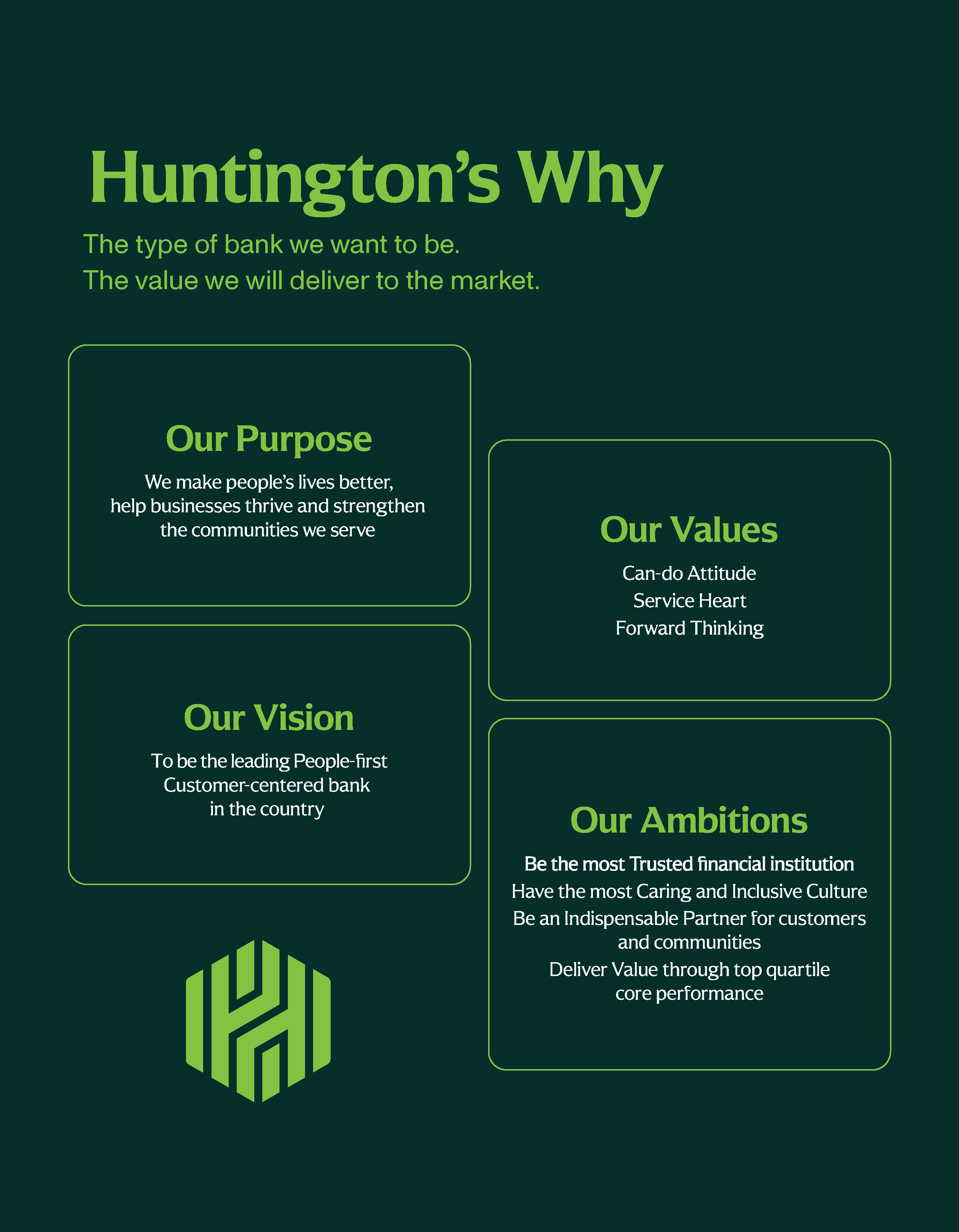
The responsible way in which we operate our Company enables us to live Our Purpose of making people’s lives better, helping businesses thrive, and strengthening the communities we serve. We use the platform of Corporate Responsibility to help describe and report on the work we do every day to deliver value for our stakeholders.
As a public company, our economic impact begins with our commitment to creating sustainable, long-term shareholder value through top-tier performance, while maintaining an aggregate moderate-to-low risk appetite and a well-capitalized position.
Our economic impact includes helping individuals and families reach their goals of financial stability and homeownership; providing businesses, especially small and mid-sized businesses, with the resources to grow; serving and supporting the underbanked and working in partnership to create more prosperous and resilient communities.
Because we believe “purpose drives performance," our enterprise commitment to Corporate Responsibility is closely integrated with our core performance objectives. Oversight of our Corporate Responsibility framework is provided by the Board’s NCG Committee, with defined roles and responsibilities assigned across senior leaders and working groups throughout the Company. Guided by the ELT, our Corporate Responsibility priorities are incorporated into governance, strategy, and operations grounded in the considerations that we believe are most important to our stakeholders. This approach ensures that we formalize and standardize to the way we integrate responsible business practices into our Board and executive management decision-making and business strategy. Additionally, we are guided by our Stakeholder Prioritization Assessment, which was refreshed in 2025 and has helped us focus our reporting on the topics of most importance to our stakeholders and business.
Corporate Responsibility Reporting
This Proxy Statement provides only a high-level overview of our Corporate Responsibility initiatives. Our 2025 Corporate Responsibility Report and 2025 Climate Report will be issued later this year, which will be available on the Investor Relations pages of Huntington’s website at ir.huntington.com. None of the reports referenced herein are a part of, or incorporated by reference into, this Proxy Statement.
Human Capital and Inclusion
At Huntington, Welcome means Welcome to all. We are committed to maintaining a culture where everyone feels welcome, safe, and respected, empowering our colleagues to perform at their best. We work every day to create a workplace that helps us attract, develop, and retain the best talent for Huntington—so that we can deliver for our customers and win in the market. Maintaining a caring and inclusive environment involves embracing different skills, backgrounds, experiences, and perspectives and having a workforce that reflects our communities helps us better understand and meet the needs of our customers. By embracing each colleague’s uniqueness, our caring and inclusive culture comes to life.
Highlights:
· 2025 Company Engagement Survey indicates strong cultural alignment, high pride and personal accomplishment, and branch and in-store momentum with colleagues describing the culture as "inclusive" and "welcoming." Over 82% of colleagues responded they would recommend Huntington as a great place to work.
· During 2025, colleagues at Huntington completed over 500,000 training hours.
· Awards include a 2025 CertifiedTM Great Place to Work for the seventh consecutive year.
43 | 2026 Proxy Statement
|
Corporate Governance: Corporate Responsibility |
Community Development and Philanthropy
We are committed to delivering sustainable, long-term shareholder value through financial performance, while maintaining an aggregate moderate-to-low risk appetite and a well-capitalized position. We align our corporate strategy to Our Purpose of helping others and building upon our market-leading, purpose-driven bank through focused efforts on the environmental and social issues most important to our business and our stakeholders. Through the connections we make, we help our customers manage and control their finances and their livelihoods, and these connections help us better understand the needs of our customers and the communities we serve.
Highlights:
· Huntington received an "Outstanding" rating from the OCC on its most recent Community Reinvestment Act performance evaluation.
· In June 2021, we made a five-year, $40 billion commitment toward our Community Plan to strengthen small businesses and foster opportunity throughout our footprint, and we have exceeded our commitment through 2025.
· During 2025, Huntington colleagues provided nearly 30,000 volunteer hours to approximately 1,200 organizations across our footprint, including foodbanks, homeless shelters, local schools, senior housing, and afterschool programs.
Climate Risk and Environmental
Huntington supports environmental stewardship, reflecting our commitment to mitigating the effects of climate change and reducing our reliance on natural resources. We continue to report our progress by regularly updating our environmental disclosures with multiple external raters. Our 2024 Climate Report provides an update on our emissions reduction efforts. We have made significant investments in climate risk management and environmental reporting to support business continuity and prepare for emerging regulatory expectations. Our 2025 Corporate Responsibility Report and 2025 Climate Report will be issued later this year.
Highlights:
· Over $14 million invested in environmental sustainability-related projects implemented at Huntington facilities.
· 286 ENERGY STAR-certified bank branches, comprising 62% of all ENERGY STAR-certified bank branches across the country.
· Innovative products and guidance provided to customers so they can proactively respond to climate risks and the transition to a low-carbon economy.
Stakeholder Prioritization Assessment
To help ensure our Corporate Responsibility commitments and initiatives align to our stakeholders’ priorities, Huntington refreshed its Stakeholder Prioritization Assessment in 2025 with the assistance of a third-party consultant. You can read more about our most recent Stakeholder Prioritization Assessment by reviewing our 2024 Corporate Responsibility Report. We are committed to aligning with our key stakeholders.
In addition to the periodic stakeholder assessments, another avenue we use to learn about the importance of various Corporate Responsibility topics is through our shareholder outreach that takes place throughout the year. Information about some of this year’s topics discussed during these engagements can be found under the Shareholder Outreach and Engagement subsection.
2026 Proxy Statement | 44
Corporate Governance: Continually Assessing and Enhancing Director Skills and Board Effectiveness |
|
Continually Assessing and Enhancing Director Skills and Board Effectiveness
The NCG Committee regularly assesses the composition of the Board to ensure that the appropriate knowledge, skills, and experience are represented. A robust refreshment and succession planning process has been established to enhance the Board’s current set of skills, to plan for known Director retirements, and to be ready for unplanned changes.
Board Refreshment and Succession Planning
The Board is committed to maintaining a well-rounded and effective membership to better ensure overall Board effectiveness, meaningful oversight of the Company’s business strategy, and the Company’s long-term success.
At least annually, the NCG Committee assesses the size of the Board and reviews its composition to ensure that the appropriate knowledge, skills, and experience are represented, in the Committee’s judgment. The Board is committed to an ongoing refreshment process.
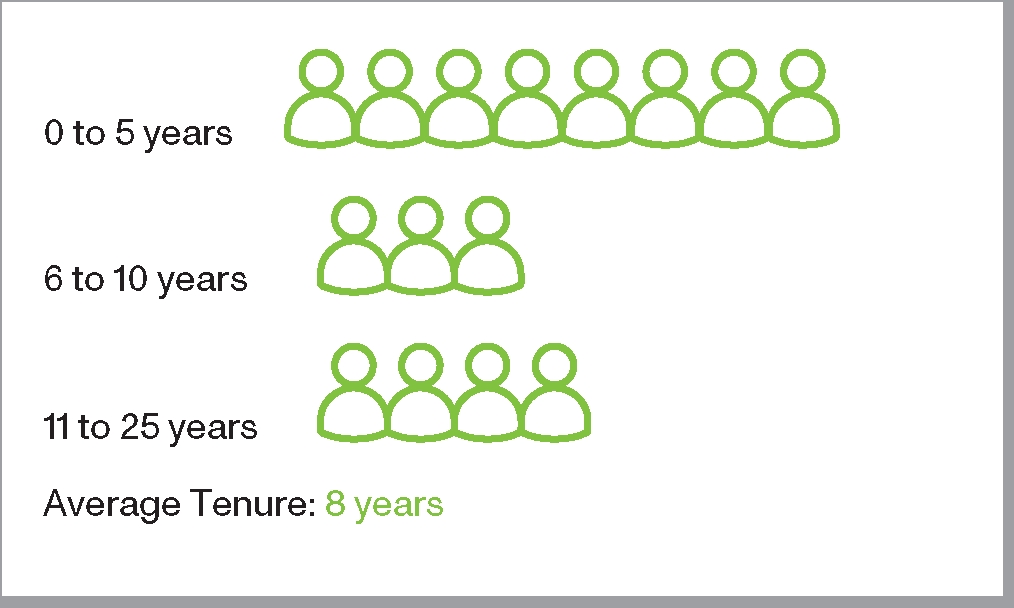
Effective immediately after the April 16, 2025, Annual Meeting of Shareholders, four Directors left the Board of Directors: Alanna Cotton, Gina France, J. Michael Hochschwender, and Richard King. As part of the Cadence acquisition, three new Directors were added as of February 1, 2026: Virginia A. Hepner, Alice L. Rodriguez, and James D. (Dan) Rollins III. The Board recognizes that it is critical to maintain a range of tenures to ensure sufficient experience for Board leadership positions, Board continuity, and institutional knowledge through economic cycles. The tenures of our current Directors range from less than one year to more than 20 years (as of the date of the 2026 Annual Meeting).
|
|
45 | 2026 Proxy Statement
|
Corporate Governance: Continually Assessing and Enhancing Director Skills and Board Effectiveness |
Director Qualifications Factors considered by the NCG Committee and the Board in their review of potential candidates include: · Whether the candidate has exhibited behavior that indicates they are committed to the highest ethical standards. · The candidate’s experience in the financial services industry and with risk management and compensation practices. · The candidate’s general business knowledge and special skills, expertise, and background that would complement the attributes of the existing Directors. · The candidate’s leadership and prominence within their business, governmental, or professional activities and whether their reputation demonstrates the ability to make the kind of important and sensitive judgments that the Board is called upon to make. · The candidate’s background considering the backgrounds of the existing Board members. · The candidate’s willingness to challenge management while working constructively as part of a team in an environment of collegiality, confidence, and trust. · A determination of whether the candidate will be able to devote sufficient time and energy to the performance of their duties as a Director based on their current and potential commitments. · The existence of any conflicts of interest.
|
Selection and Recruitment of Directors
One of the most important duties carried out by the NCG Committee is the selection and recruitment of new Board members. Through the NCG Committee’s structured process, the Board can be better assured that it is positioned to properly oversee the Company now and in the future.
The NCG Committee thoroughly reviews the qualifications of potential Director candidates, as well as those Directors standing for reelection and makes recommendations to the full Board. Each of the Director nominees meets the standards listed in the Board Refreshment and Succession Planning subsection above. From time to time, the NCG Committee will identify additional selection criteria for Board membership, taking into consideration the Company’s business strategy, the business environment, and current Board composition. The NCG Committee may also use a third-party search firm to seek out candidates for the Board.
When seeking out individuals for appointment to the Board, the NCG Committee and Board undertake a rigorous screening process. This process helps ensure that the right individuals are selected for directorship. The following sets forth the typical selection and recruitment process:
Sources for candidates |
|
Candidate pool |
|
In-depth review |
|
Recommendation to the Board |
|
Board review |
· The NCG Committee and Board consider potential candidates submitted by Directors, management, search firms, shareholders, and self-nominees. |
|
· Director searches include a slate of candidates with various backgrounds, skills, and experiences. |
|
· Certain Directors meet with potential candidates. · Consider candidates’ backgrounds, skills, and experiences. · Review candidates for independence and potential conflicts. |
|
· The NCG Committee makes a recommendation to the Board following the review process. |
|
· Following the NCG Committee’s recommendation, the full Board will vote on the candidate’s appointment. |
The Director Onboarding and Continuing Education subsection describes the process that new Directors undergo to assist with their acclimation to the Board and Company. Individuals who wish to recommend individuals for directorship are encouraged to review the General Information on Voting and the Annual Meeting section.
2026 Proxy Statement | 46
Corporate Governance: Continually Assessing and Enhancing Director Skills and Board Effectiveness |
|
Regular Board Evaluations
Candid and thorough Board evaluations are necessary to ensure that the Board and committees are productive and operating efficiently. The self-assessment is also used to shape the Board and its composition so that it is best positioned to oversee Huntington’s long-term strategy and continued success.
The NCG Committee oversees a Board evaluation process for the Board and its committees each year. Regular evaluation is critical to assessing strengths and identifying areas for enhancement, and the annual process is designed to ensure that Board members are free to speak openly and candidly. Periodically, the Board will engage an experienced third party to facilitate the Board’s self-assessment and assessments of individual Directors.
As part of the Board evaluation process, the Board considers, among other matters, whether its composition reflects the skills needed to appropriately oversee the Company’s long-term strategy and continued success. The Board also evaluates its processes and interactions with management to determine whether it is operating efficiently with respect to its oversight responsibilities.
In addition to participating in the annual Board evaluation process, Directors are encouraged to raise any topics related to Board performance and effectiveness, or any other matter, at any time with the independent Lead Director, the Chair of the NCG Committee, the chair of an applicable committee, the Chairman of the Board, or the Board as a whole, as appropriate. The independent Lead Director makes it a point to engage one-on-one with each Board member throughout the year and as part of the annual evaluation process.
The following sets forth the process that is typically used for the Board self-evaluations:

1. Prior to the Board's and committees' full evaluations, the independent Lead Director, who also serves as the Chair of the NCG Committee, held individual discussions with each Director to obtain their candid feedback on Board operations and functioning, individual Directors' goals and performance, and other topics. These discussions took place at the end of the year.
2. Each committee conducted a self-assessment of its own operations and performance and the topics applicable to the committee. Committee self-assessments were facilitated by each committee's chair during the January meeting cycle.
3. The independent Lead Director provided a summary of the discussions to the independent Directors during an executive session at the January Board meeting.
4. The self-assessment process solicited the Board’s feedback around the Board’s oversight of the Company’s strategy, business and governance, as well as board processes. The Board continued to place additional emphasis on outcomes. Following the completion of the evaluation process, the Board determined follow-up actions.
5. Follow-up action items are being implemented into action plans. The Board will review progress on action items throughout the year.
47 | 2026 Proxy Statement
|
Corporate Governance: Board Role and Responsibilities |
Board Role and Responsibilities
The Board’s Role in Risk Oversight
We have a deeply ingrained risk management culture, that is anchored in our Board-approved aggregate moderate-to-low risk appetite.
We rely on comprehensive risk management processes to identify, measure, monitor, control, and report risks and to aggregate risks across the enterprise. This system enables the Board to understand the effectiveness of the Company’s risk management practices and capabilities, review the Company’s risk exposure relative to its risk appetite, and ensures material risks are escalated to the Board for awareness and discussion.
Our Risk Appetite Statement and Risk Governance Framework are the foundation of consistent and effective risk management. They define roles and responsibilities and establish limits for the seven key risk categories to which we are exposed:
· |
Compliance risk |
· |
Credit risk |
· |
Liquidity risk |
· |
Market risk |
· |
Operational risk |
· |
Strategic risk |
· |
Reputation risk |
|
|
The Risk Appetite Statement and the Risk Governance Framework describe components of our risk management approach, including our risk appetite and risk management processes, with a focus on the role of all colleagues in managing risk. The Risk Appetite Statement defines the level and types of risks the Board is willing to assume to achieve our corporate objectives.
While the Board has three committees that primarily oversee implementation of the risk governance framework and risk appetite—the Risk Oversight Committee, the Audit Committee, and the Technology Committee—the full Board is engaged in discussing risks and monitoring our risk profile. All standing committees report their deliberations and actions at each full Board meeting. In addition, all scheduled committee meetings are open to all Directors, and committees regularly meet in joint sessions to discuss issues that are broadly applicable. Our Directors have unfettered access to senior executive officers, and the Board and committees regularly meet in executive session without management present.
The role of each Board committee is further described under Board, Committee, and Leadership Structure.
|
|
|
|
Board of Directors · Approves the Company’s risk appetite and directly oversees risks related to Company strategy and leadership. Our aggregate moderate-to-low risk appetite is an integral part of our strategy and strategic planning process. · Meets frequently with senior management and is devoted to reviewing strategic priorities. · The CEO reserves time at the beginning of Board meetings to discuss priorities and initiatives. · Committees report significant discussion items to the full Board. · Special Board sessions are periodically held to discuss and analyze specific possible risk scenarios, such as cybersecurity incident simulations. · Oversees succession planning for the positions of the CEO and other key members of the ELT. · Executive sessions are held at every regularly scheduled Board meeting. |
|
|
|
|
2026 Proxy Statement | 48








|
Corporate Governance: Government Relations |
Governance and Reporting
This commitment to Corporate Responsibility is blended with our core performance objectives and integrates our most significant Corporate Responsibility considerations into relevant Board committee agendas for discussion, awareness, and governance actions. The NCG Committee oversees Corporate Responsibility in consultation and coordination with other Board Committees and reports to the full Board on Corporate Responsibility issues.
The NCG Committee provides primary oversight of Huntington’s Corporate Responsibility strategy, which is guided by Our Purpose to make people's lives better, help businesses thrive, and strengthen the communities we serve, by deepening our commitment to economic opportunity, sustainability and a people-first culture. This commitment is anchored in strong governance and responsible business practices united through its pillars.
Corporate Responsibility is incorporated throughout the enterprise risk management structure, which includes specific working groups, teams, councils, and committees focused on Corporate Responsibility. Each of the Board-level committees provide oversight of Corporate Responsibility matters as it pertains to their specific areas of expertise and focus.
Government Relations
An important part of Huntington’s commitment to community includes active participation in the civic and political processes that impact the lives of our customers, shareholders, and colleagues. Huntington’s Government Relations team manages all of the public affairs activities of the Company to support Huntington’s business operations and our ability to serve our customers and communities.
Board Oversight and Management
All political activities conducted by or on behalf of the Company are managed by Huntington’s Government Relations department, which reports to the Chief Public Affairs Officer, who is responsible for the department’s policies, activities, and legal compliance. Oversight is provided by the Board’s NCG Committee. Huntington maintains policies and processes intended to ensure that all public affairs activities are conducted in accordance with those policies and applicable legal limits, as well as Huntington’s Code of Conduct and Ethics, which colleagues review and acknowledge on an annual basis.
Political Action Committee Contributions
HBI-PAC, Huntington’s political action committee, makes bipartisan campaign contributions in compliance with local, state, and federal election laws. All HBI-PAC funds are voluntary donations from eligible colleagues. HBI-PAC supports political candidates and committees that believe in and encourage a thriving business environment in which Huntington can strengthen our communities, serve our customers, and support our colleagues and shareholders. The Company’s PACs are overseen by a PAC board of directors—a steering committee comprised of Regional Presidents and business segment executives across the Company. The Company’s PACs are administered by Government Relations department staff and are managed in compliance with applicable local, state, and federal laws, as well as Our Purpose, Vision, Values, and Ambitions. HBI-PAC contributions are publicly available at www.fec.gov (Committee ID C00165589) and on the websites of respective state election authorities. We also make our political spending available through our website at ir.huntington.com. No corporate funds are contributed to HBI-PAC.
Company Contributions
Huntington does not use corporate funds, either directly or indirectly, for election-related contributions to political candidates, political parties, or candidate committees, including super PACs or independent expenditure committees. Huntington contributes on occasion to local/state issue and levy campaigns, which support the interests of our communities and the Company. These contributions are made infrequently, and when made, are in alignment with Company policy and applicable law and are approved by senior management independent of individual political beliefs. Contributions are made public at ir.huntington.com.
Trade Association Membership
Huntington participates in a number of trade associations representing the interests of the financial services industry and the broader business community. These trade associations represent their respective memberships and advocate on policy issues and initiatives important to those constituencies. Membership benefits include deeper engagement across our communities, business opportunities, and effective advocacy on behalf of the industry. Trade association membership comes with an understanding that Huntington may not always agree with the legislative positions of the organization or its other members.
We make our political spending available through our website at ir.huntington.com.
2026 Proxy Statement | 52
Corporate Governance: Board, Committee, and Leadership Structure |
|
Board, Committee, and Leadership Structure
The Board’s Leadership Structure
Having strong governance practices that provide appropriate checks and balances is important to Huntington. This includes adopting a Board leadership structure that allows the Board to effectively exercise its oversight role. In order to actively oversee and guide management, it is important that the Board actively challenges management on both their strategic and day-to-day operation of the Company.
Our CEO, Stephen D. Steinour, serves as Chairman of the Board, and David L. Porteous has served as the independent Lead Director since the Board established the role in 2007. Additionally, Gary Torgow serves as Chairman of Huntington Bank. As of February 1, 2026, James D. (Dan) Rollins III serves as Vice Chairman of Huntington and Huntington Bank following the Cadence Merger. In this role, Mr. Rollins assists with the Cadence integration and strategy in Texas and Southern operations, leverages relationships with key stakeholders, and provides invaluable advice and guidance to the CEO and senior management.
To maintain flexibility, the Board has not adopted a policy requiring that the roles of Chairman of the Board and CEO be combined or separate. To ensure independent leadership, the Board has determined that there will be an independent Lead Director appointed whenever the positions of Chairman and CEO are combined. Each year, the Board evaluates its leadership and leadership structure considering current and anticipated future circumstances and whether having a combined Chairman/CEO, along with a strong independent Lead Director, provides an efficient and effective structure for Huntington.
The Board has considered our leadership structure in light of the Company’s size, the nature of our business, the regulatory framework in which we operate, and our peers and has determined that the Board’s leadership structure continues to be appropriate at this time. This structure of having a combined Chairman/CEO, counterbalanced with an independent Lead Director with robust responsibilities and independent committee chairs, helps to ensure a unity of vision and strategy while still maintaining distinct roles of daily operations and oversight. The combined Chairman/CEO position also creates accountability to all stakeholders regarding the Company’s performance and risk management.
The Board presently is comprised of 15 Directors, 12 of whom are considered independent, and each Director annually stands for reelection. All committee chairs are independent, and all members on the Audit Committee, HRCC, and NCG Committee are independent.
53 | 2026 Proxy Statement
|
Corporate Governance: Board, Committee, and Leadership Structure |
Huntington’s current leadership structure is as follows:
|
Stephen D. Steinour David L. Porteous Richard W. Neu
|
|
Rafael Andres Diaz-Granados Kenneth J. Phelan John C. (Chris) Inglis
|
To balance having a combined Chair and CEO, the independent Lead Director is assigned a robust set of responsibilities, which are clearly defined in our Corporate Governance Guidelines, and include:
Board Leadership
• Presiding at all meetings of the Board at which the Chairman is not present;
• Presiding at executive sessions of the independent Directors;
• Having the authority to call meetings of the independent Directors;
Board Meetings and Operations
• Consulting with the Chairman on information sent to the Board;
• Approving meeting agendas for the Board;
• Approving meeting schedules to assure that there is sufficient time for discussion of all agenda items;
• Developing topics of discussion for executive sessions of the Board;
• Following up on meeting outcomes and management deliverables;
Other
• Serving as liaison between the Chairman and the independent Directors;
• Establishing a close relationship and trust with the CEO, providing support, advice, and feedback from the Board and acting as a sounding board for the CEO;
• Coordinating with the Chairman on Director orientation and continuing education;
• If requested by major shareholders, ensuring that the independent Lead Director is available for consultation and direct communication; and
• Engaging advisors and consultants who report directly to the Board.
2026 Proxy Statement | 54


|
Corporate Governance: Board, Committee, and Leadership Structure |
The interaction of the roles of our Chairman/CEO and independent Lead Director is reflected in the table below:
Duties and Responsibilities |
||
Chairman/CEO |
Independent Lead Director |
|
Full Board Meetings |
||
• Has the authority to call meetings of the Board • Chairs meetings of the Board • Chairs the annual meeting of shareholders |
|
• Acts as intermediary—at times, the Chairman may coordinate with the independent Lead Director for guidance or on a matter that may be taken up in executive session • Provides leadership to the Board if circumstances arise in which the role of the Chairman may be, or may be perceived to be, in conflict with the Board • Suggests to the Chairman calling full Board meetings when appropriate |
Executive Sessions |
||
• Receives feedback from the executive sessions |
|
• Has the authority to call meetings of the independent Directors • Sets the agenda for and leads executive sessions of the independent Directors • Briefs the Chairman on issues arising out of the executive sessions |
Board Agendas and Information |
||
• Takes primary responsibility for shaping Board agendas • Consults with the independent Lead Director to ensure that Board agendas and information provide the Board with what is needed to fulfill its primary responsibilities |
|
• Collaborates with the Chairman to shape the Board agenda and Board information so that adequate time is provided for discussion of issues and to ensure that appropriate information is made available to Directors • Solicits agenda items from members of the Board |
2026 Proxy Statement | 56
Corporate Governance: Board, Committee, and Leadership Structure |
|
Duties and Responsibilities |
||
Chairman/CEO |
|
Independent Lead Director |
Board Communications |
||
• Communicates with the Directors on key issues and concerns outside of meetings • Takes responsibility for new Director orientation and continuing education for the Board |
|
• Facilitates discussion among the independent Directors on issues and concerns outside of meetings • Serves as a non-exclusive conduit for the views, concerns, and issues of the independent Directors to the Chairman • Coordinates with the Chairman on new Director orientation and continuing education for the Board |
Committee Meetings |
||
• Serves as a member of the Executive Committee and attends such other committee meetings (excluding executive sessions) as the committee chairs choose |
|
• Chairs the NCG Committee, which determines the membership and chair positions for the other Board committees, focusing on Board refreshment and committee chair succession • Chairs the Executive Committee • Participates on such committees (including executive sessions) to which they are elected |
External and Other Stakeholders |
||
• Represents the organization to and interacts with external stakeholders, including investors, customers, and colleagues |
|
• Available to participate in meetings with key institutional investors as appropriate • Makes periodic visits to business regions, meeting with colleagues, and customers • Regularly meets independently with regulators • Has authority to engage advisors and consultants who report directly to the Board on Board-related issues |
Director Retirement Policy
Our Corporate Governance Guidelines provide that no person shall be nominated or elected as a Director of the Company after having attained the age of 75 years unless the Board or the NCG Committee first determines that this age restriction shall not apply to a particular individual. This exception to the age limit enhances our ability to maintain a well-rounded Board with the appropriate skills and to not unduly limit the service of highly qualified individuals. In accordance with the Corporate Governance Guidelines, any determination that the age restriction shall not be applicable to any person should be rare and shall be made only after consideration of whether such person brings a specific expertise to the Board; has valuable industry-specific knowledge and experience; holds unique relationships with third parties, such as regulators; has capacity to devote time to special projects; has developed significant institutional knowledge; or possesses some other attributes or qualifications deemed essential by the Board or the NCG Committee. Any determination that the age restriction does not apply shall not be made for two or more consecutive years unless a compelling rationale exists. No such exceptions were made for the current nominees.
Independence of Directors
To be considered independent under the Nasdaq Rules, the Board must determine that the Director does not have a relationship which, in the opinion of the Board, would interfere with the exercise of independent judgment in carrying out the responsibilities of a Director. These Nasdaq Rules also provide bright-line tests that preclude a determination of independence.
Our Board and the NCG Committee have reviewed and evaluated transactions and relationships with Board members to determine the independence of each. Stephen D. Steinour, Huntington’s Chairman, President, and CEO is not considered independent under the Nasdaq Rules because he is employed by the Company. James D. (Dan) Rollins III is not considered independent because he receives compensation (unrelated to his service as a Director) in excess of $120,000. Gary Torgow is also not considered independent because he receives compensation (unrelated to his service as a Director) in excess of $120,000. The compensation arrangements for Messrs. Rollins and Torgow are discussed in the Compensation of Directors section.
57 | 2026 Proxy Statement
|
Corporate Governance: Board, Committee, and Leadership Structure |
The Board does not believe that any of the other Directors have relationships with us that would interfere with the exercise of independent judgment in carrying out their responsibilities as Director. As such, the Board and the NCG Committee have determined that the following current Directors are “independent directors” as the term is defined in the Nasdaq Rules:
Ann B. (Tanny) Crane |
Kenneth J. Phelan |
Rafael Andres Diaz-Granados |
David L. Porteous |
Virginia A. Hepner |
Alice L. Rodriguez |
John C. (Chris) Inglis |
Teresa H. Shea |
Katherine M.A. (Allie) Kline |
Roger J. Sit |
Richard W. Neu |
Jeffrey L. Tate |
Pursuant to their respective charters, each member of the Audit Committee, HRCC, and NCG Committee are required to be independent. Members of the Audit Committee and the HRCC must also meet the additional independence and eligibility standards applicable to such committees.
In making the independence determinations for each of the Directors, the Board took into consideration the transactions disclosed in this Proxy Statement under the Review, Approval, or Ratification of Transactions with Related Persons subsection. In addition, the Board considered that the Directors and their family members are customers of our affiliated financial and lending institutions. Many of the Directors have one or more transactions, relationships, or arrangements where Huntington’s affiliated financial and lending institutions, in the ordinary course of business, act as depository of funds, lender, trustee, or provide similar services. Directors may also be affiliated with entities that are customers of our affiliated financial and lending institutions and that enter into transactions with such Huntington affiliates in the ordinary course of business. The Board also considered charitable donations to organizations in which Directors have an interest and determined them to be immaterial.
Review, Approval, or Ratification of Transactions with Related Persons
The NCG Committee oversees our Related Party Transactions Policy, referred to in this section as the “Policy.” This written Policy covers “related party transactions,” including any financial transaction, arrangement, or relationship or any series of similar transactions, arrangements, or relationships, either currently proposed or existing, since the beginning of the last fiscal year in which we were or will be a participant, involving an amount exceeding $120,000, and in which a Director, nominee for Director, executive officer, or any of their immediate family members has or will have a direct or indirect material interest. The Policy requires our senior management and Directors to notify the General Counsel of any existing or potential related party transactions. Our General Counsel reviews each reported transaction, arrangement, or relationship that constitutes a related party transaction with the NCG Committee. The NCG Committee determines whether related party transactions are in the best interests of Huntington. The NCG Committee also determines whether any related party transaction in which a Director has an interest impairs their independence. Approved related party transactions are subject to ongoing review on at least an annual basis. Loans to Directors and executive officers and their related interests made and approved pursuant to the terms of Federal Reserve’s Regulation O are deemed to be approved under this Policy. Any of these loans that become subject to specific disclosure in our annual proxy statement are reviewed by the NCG Committee at that time. The NCG Committee would also consider and review any material transactions with a shareholder having beneficial ownership of more than 5% of Huntington’s voting securities in accordance with the Policy.
Indebtedness of Directors and Management
Many of our Directors and executive officers and their immediate family members are customers of our affiliated financial and lending institutions in the ordinary course of business. In addition, our Directors and executive officers also may be affiliated with entities that are customers of our affiliated financial and lending institutions in the ordinary course of business. Loan transactions with Directors, executive officers, and their immediate family members and affiliates have been made on substantially the same terms, including interest rates and collateral, as those prevailing at the time for comparable transactions with other customers otherwise not affiliated with us. Such loans also have not involved more than the normal risk of collectability or presented other unfavorable features.
2026 Proxy Statement | 58
Corporate Governance: Board, Committee, and Leadership Structure |
|
Certain Transactions
The following transaction was approved according to our Policy and was considered by the Board when making independence determinations:
• Paul McMahon, who is the son-in-law of Director David L. Porteous, has been employed by Huntington Bank since 2006 and currently serves as a Senior Vice President and Commercial Credit Administration Manager in the Commercial Banking Department. Paul McMahon serves in a non-executive capacity one reporting level below the Executive Managing Director, Commercial Credit. He is one of approximately 20,424 colleagues (average full-time equivalent colleagues during 2025) and is compensated in accordance with the employment compensation practices and policies applicable to all colleagues with equivalent qualifications and responsibilities in similar positions. For 2025, Paul McMahon received compensation totaling $438,563, as well as benefits generally available to all colleagues with his length of employment.
Family Relationships
There are no immediate family relationships between any of our Directors or executive officers and any other Directors or executive officers.
Board Committee Information
Our Board currently has six standing committees: Audit Committee, Executive Committee, HRCC, NCG Committee, Risk Oversight Committee, and Technology Committee. As needed or determined appropriate, the Board may establish an ad hoc committee, and we are continually reviewing our committee structure.
In April 2025, the Board approved the integration of responsibilities of the Community Development Committee into the NCG Committee and Risk Oversight Committee’s responsibilities and the related dissolution of the Community Development Committee. As a result, the NCG Committee is now responsible for the Community Reinvestment Act, inclusion, community development, and government relations. At the same time, the Board approved simplifying the committee’s name from “Nominating and Environmental, Social, and Governance Committee” to “Nominating and Corporate Governance Committee.” The Risk Oversight Committee, which previously shared oversight of fair lending with the Community Development Committee, assumed the Community Development Committee’s fair lending responsibilities. The dissolution of the Community Development Committee simplified Huntington’s Board committee structure and provided for more efficient use of Board and management time and resources. The Community Development Committee met twice in 2025 prior to its dissolution.
In 2025, Huntington added the Integration Oversight Committee to oversee management’s integration planning, and, following closing, the integration and conversion of Cadence’s business and operations into and with the Company.
As further discussed under the Independence of Directors subsection, the Board has determined that each member of the Audit Committee, HRCC, and NCG Committee is independent as the term is defined in the Nasdaq Rules.
All Board members have access to all committee reports and materials. In addition, all Board members are welcome to attend any meetings of the standing committees. Each standing committee has a separate written charter, which is posted on the Governance Documents page of our website at ir.huntington.com. Information about the Board’s standing committees, including the committee chairs and members and a brief overview of each committee’s responsibilities, is set forth below.
59 | 2026 Proxy Statement
|
Corporate Governance: Board, Committee, and Leadership Structure |
Current Committee Assignments (including all current Directors)
Committee Members |
|
|
|
Audit |
|
Executive |
|
HRCC |
|
Integration Oversight Committee |
|
NCG |
|
Risk Oversight |
|
Technology |
Ann B. (Tanny) Crane |
|
|
|
|
|
|
|
|
|
|
|
|
|
|
|
|
Rafael Andres Diaz-Granados |
|
|
|
|
|
|
|
|
|
|
|
|
|
|
|
|
Virginia A. Hepner |
|
|
|
|
|
|
|
|
|
|
|
|
|
|
|
|
John C. (Chris) Inglis |
|
|
|
|
|
|
|
|
|
|
|
|
|
|
|
|
Katherine M.A. (Allie) Kline |
|
|
|
|
|
|
|
|
|
|
|
|
|
|
|
|
Richard W. Neu |
|
|
|
|
|
|
|
|
|
|
|
|
|
|
|
|
Kenneth J. Phelan |
|
|
|
|
|
|
|
|
|
|
|
|
|
|
|
|
David L. Porteous |
|
|
|
|
|
|
|
|
|
|
|
|
|
|
|
|
Alice L. Rodriguez |
|
|
|
|
|
|
|
|
|
|
|
|
|
|
|
|
James D. (Dan) Rollins III |
|
|
|
|
|
|
|
|
|
|
|
|
|
|
|
|
Teresa H. Shea |
|
|
|
|
|
|
|
|
|
|
|
|
|
|
|
|
Roger J. Sit |
|
|
|
|
|
|
|
|
|
|
|
|
|
|
|
|
Stephen D. Steinour |
|
|
|
|
|
|
|
|
|
|
|
|
|
|
|
|
Jeffrey L. Tate |
|
|
|
|
|
|
|
|
|
|
|
|
|
|
|
|
Gary Torgow |
|
|
|
|
|
|
|
|
|
|
|
|
|
|
|
|
Number of Meetings Held During 2025 |
|
|
|
12 |
|
3 |
|
5 |
|
2 |
|
5 |
|
18 |
|
10 |


|
Audit Committee Financial Expert |
|
Risk Management Expert under the Federal Reserve’s Regulation YY |
|
Member |
|
Chair |


2026 Proxy Statement | 60

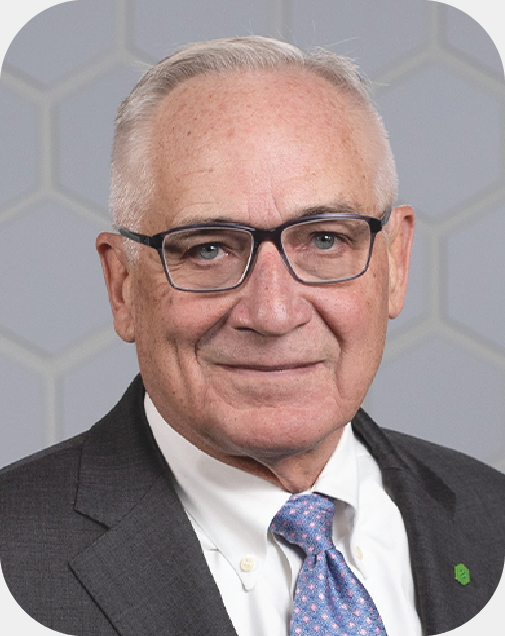

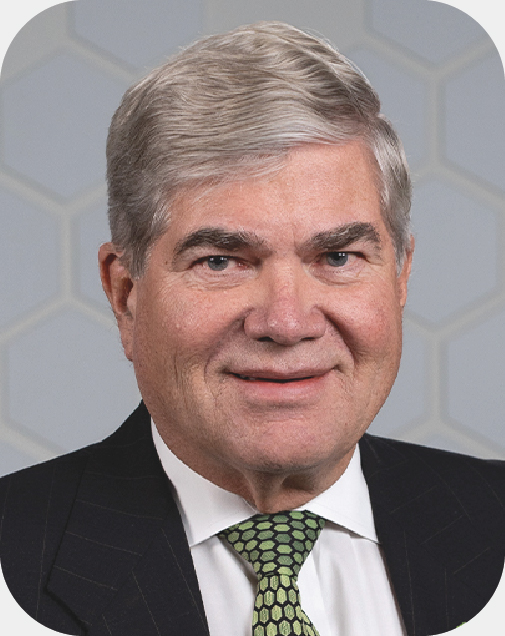




Corporate Governance: Board Practices, Policies, and Processes |
|
Board Practices, Policies, and Processes
Attendance at Board/Committee and Annual Meetings
We believe regular attendance at meetings and active and engaged participation is of utmost importance. Our Corporate Governance Guidelines provide that all Directors are expected to attend the annual meeting of shareholders and a minimum of 75 percent of all regularly scheduled Board meetings and all regularly scheduled committee meetings of which they are a member.
|
|
Number of |
|
|
|
|
|
|
|
|
|
Board |
|
17 |
|
Audit Committee |
|
12 |
|
Executive Committee |
|
3 |
|
HRCC |
|
5 |
|
Integration Oversight Committee |
|
2 |
|
NCG Committee |
|
5 |
|
Risk Oversight Committee |
|
18 |
|
Technology Committee |
|
10 |
|
Total Board and Committee Meetings Held in 2025 (1) |
|
69 |
|
|
|
|
|
(1) Prior to its integration into the NCG Committee in April 2025, the Community Development Committee held two meetings and all committee members were present for each meeting.
|
|
During 2025, the average Director participation in full Board and committee meetings on which they served was 97.9%. No Director attended less than 75% of the Board and committee meetings on which they served during the period of their service. |
|
|
|
All then-serving Huntington Directors attended the 2025 Annual Meeting of Shareholders, which was virtual. |
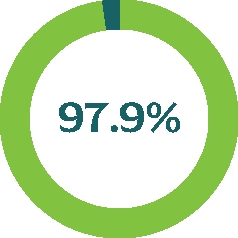
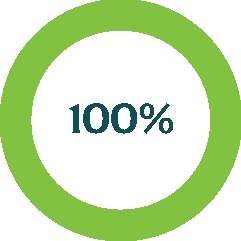
The independent Directors regularly meet in executive session in conjunction with standing Board meetings. They are also able to meet in executive session on other occasions throughout the year.
Director Onboarding and Continuing Education
Huntington provides robust onboarding for new Directors and comprehensive ongoing education and training for all Board members on key matters to foster Board effectiveness. In addition, all Board members are encouraged to participate in relevant external Director education opportunities, including forums facilitating engagement with other public company directors. The Board recognizes (i) the importance of continuous education and engagement, long-term value creation, and strengthening shareholder confidence and (ii) that institutional investors and regulators expect directors at public companies to continually enhance their skills and remain abreast of Company and industry matters.
Director onboarding involves a combination of written materials, presentations, and meetings with members of the Board and management. Among the topics typically covered during onboarding are Company history, strategy, revenue streams, risks, safety and soundness, and corporate governance. To assist new Directors in learning more about Huntington’s business, the onboarding process includes meetings with business segments and control and support groups. Various other activities are typically offered to new Directors, including tours of Huntington facilities and attending the annual The Big Picture event. All of this is designed to allow new Directors to better step into their oversight roles and begin making meaningful contributions to the Board more quickly.
In-house educational sessions facilitated by management are provided to all Directors throughout the year with a focus on topics specific to the Company and the financial services industry. Continuing Director education may be provided in conjunction with Board and committee meetings and as standalone information sessions outside of meetings. Subjects covered may include:
67 | 2026 Proxy Statement
|
Corporate Governance: Board Practices, Policies, and Processes |

As appropriate, additional topics related to complex products, services, or lines of business that have the potential to significantly impact the Company and other topics as identified by the Board or executive management may also be covered. External experts and facilitators are also sometimes invited to attend meetings to discuss leading practices or issues germane to Huntington, the financial services industry, or public companies in general. Outside experts bring an array of experience and perspectives and foster dialogue among Board members on relevant topics. When there are in-person Board and committee meetings, the outside experts may also be invited to attend a Board dinner where they can engage informally with the Directors.
To assist with staying abreast of the latest developments, Huntington periodically provides Directors with external education opportunities covering a range of issues facing the Board. These external education opportunities are offered at various times of the year by professional organizations, educational institutions, and regulators at various facilities and locations and cover a range of important issues facing directors of financial institutions and/or public companies generally. Insights gained from external continuing education programs are shared with the full Board.
Codes of Ethics
Huntington’s Code of Conduct and Ethics, which is overseen by the NCG Committee, applies to all our colleagues and, where applicable, to our Directors and to colleagues and directors of our affiliates. Our colleagues serving as CEO, CFO, Corporate Controller, and Principal Accounting Officer are also bound by a Financial Code of Ethics for CEO and Senior Financial Officers. The Corporate Governance Guidelines, the Code of Conduct and Ethics, and the Financial Code of Ethics for CEO and Senior Financial Officers are posted on the Governance Documents page of our website at ir.huntington.com. Any amendments or waivers with respect to the Financial Code of Ethics for CEO and Senior Financial Officers would also be disclosed on our website.
We have also adopted a Service Provider Code of Conduct that sets forth our expectations with respect to service providers. Areas covered by the Service Provider Code of Conduct include ethical business practices, labor and human rights, health and safety, Corporate Responsibility, and privacy and confidentiality.
Stock Ownership Guidelines
The HRCC has established a minimum ownership level guideline for Directors based on five times the annual retainer fee for Directors at the time the requirement was adopted. Based on the retainer fee and the fair market value of our common stock on the date the guidelines were established, the guideline for Directors was set at 40,603 shares. Directors have five years to meet the minimum guidelines. Each Director who has served at least five years meets the guidelines.
2026 Proxy Statement | 68
Corporate Governance: Our Executive Officers |
|

Our Executive Officers
Each of our current executive officers is listed below along with a statement of their business experience during at least the last five years. Executive officers are elected annually by the Board. Ages are as of the 2026 Annual Meeting of Shareholders on April 22, 2026.
|
|
Stephen D. Steinour| Age 67 Has served as the Chairman, President, and CEO of Huntington and as President and CEO of the Bank since January 14, 2009. Additional detail about Mr. Steinour’s business experience is set forth under Proposal 1 — Election of Directors.
|
|
|
|
|
|
Amit Dhingra| Age 52 Became a member of the ELT as of March 2024. He has served as Executive Vice President and Chief Enterprise Payments Officer of Huntington since March 2024, and he was previously Executive Vice President and Head of Enterprise Payments of Huntington from July 2022 through February 2024. Prior to that position, Mr. Dhingra was Executive Vice President and Head of Retail Payments & Consumer Lending from November 2020 to June 2022, and Executive Vice President and Head of Retail Payments from October 2018 to November 2020. Prior to joining Huntington, Mr. Dhingra held various leadership positions at U.S. Bancorp.
|
|
|
|
|
|
Marcy C. Hingst| Age 52 Became a member of the ELT as of October 2023. She has served as Senior Executive Vice President and General Counsel of Huntington since that date and became Corporate Secretary in October 2025. Ms. Hingst’s responsibilities also include the Office of the Corporate Secretary, Government Relations, Corporate Insurance, and Corporate Responsibility. Prior to joining Huntington, Ms. Hingst served in multiple leadership roles at Bank of America Corporation from 2005 to 2023, including most recently serving as the Global Anti-Money Laundering Executive and Chief Risk Officer for the Wealth Management division, from September 2021 to October 2023. Prior to that position, Ms. Hingst served as the Chief Risk Officer for the Consumer and Wealth Management divisions, from April 2019 to September 2021 and Deputy General Counsel for the Consumer division starting in April 2017.
|
|
|
|
|
|
Helga S. Houston | Age 64 Became a member of the ELT as of September 2011. She has served as Senior Executive Vice President since March 1, 2026, which includes working closely with the CEO and ELT on key strategic initiatives. Previously, she served as Senior Executive Vice President and CRO of Huntington from January 2012 until March 2026, and as Senior Executive Vice President in Corporate Risk from September 2011 through December 2011. Prior to joining Huntington, Ms. Houston served in a variety of business and risk capacities with Bank of America Corporation.
|
|
|
|
|
|
Scott D. Kleinman | Age 56 Became a member of the ELT as of May 2020. He has served as Senior Executive Vice President and President, Commercial Bank, of Huntington since July 2022. He was previously Senior Executive Vice President and Co-President of Commercial Bank from June 2021 to June 2022, following the TCF Merger. Prior to that position, Mr. Kleinman served as Senior Executive Vice President and Director of Commercial Banking of Huntington from April 2020 to June 2021, and he previously served as Executive Managing Director of Huntington Capital Markets and has held a variety of senior leadership roles in Huntington’s Capital Markets and institutional banking business. He joined Huntington in 1991 and has served in a variety of leadership positions during his tenure with increasing responsibility.
|
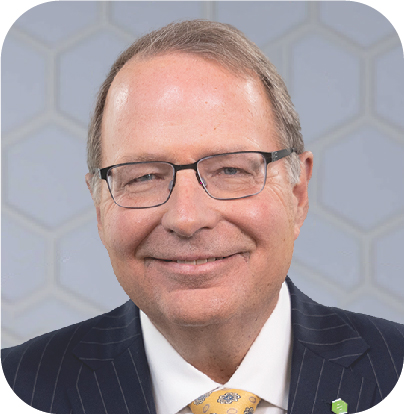



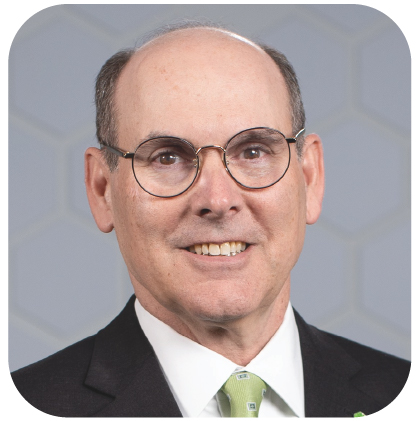
69 | 2026 Proxy Statement
|
Corporate Governance: Our Executive Officers |
|
|
Kendall A. Kowalski | Age 57 Became a member of the ELT as of March 2024. He has served as Executive Vice President and Chief Information Officer of Huntington since February 2014. Prior to joining Huntington, Mr. Kowalski served in various leadership positions with increasing supervisory and management responsibilities in the cybersecurity and information & technology space at JPMorgan Chase & Co.
|
|
|
|
|
|
Brendan A. Lawlor | Age 56 Became a member of the ELT as of January 2024. He has served as Executive Vice President and Chief Credit Officer of Huntington since January 2024, and Executive Vice President and Deputy Chief Credit Officer of Huntington from April 2019 through December 2023. Prior to joining Huntington, Mr. Lawlor served in various leadership positions at KeyCorp.
|
|
|
|
|
|
Timothy W. Miller | Age 43 Became a member of the ELT as of October 2024. He has served as Executive Vice President and Chief Communications Officer of Huntington since August 2024. Prior to joining Huntington, Mr. Miller served as Senior Vice President of External and Financial Communications for The PNC Financial Services Group, Inc. from June 2022 to July 2024. Prior to that position, Mr. Miller served as a Senior Vice President for Communications at Bank of America Corporation from March 2019 to July 2022, including as Head of CEO Content and Priorities from July 2020 to June 2022. Prior to that position, Mr. Miller held communications leadership roles at Brighthouse Financial Incorporated and 3D Systems Corporation.
|
|
|
|
|
|
Prashant Nateri | Age 53 Became a member of the ELT as of March 2024. He has served as Executive Vice President and Chief Corporate Operations Officer of Huntington since March 2024. He was previously Executive Vice President and Chief Transformation Officer from November 2021 through February 2024, Executive Vice President, Consumer & Business Banking Sales, Operations & Business Management, from July 2021 to November 2021, Senior Vice President, Consumer & Business Banking Sales, Operations & Business Management, from November 2018 to July 2021, and various other positions of increasing responsibility. Prior to joining Huntington, Mr. Nateri held various leadership positions at JPMorgan Chase & Co.
|
|
|
|
|
|
Sarah E. Pohmer | Age 50 Became a member of the ELT as of August 2024. She has served as Senior Executive Vice President and CHRO since August 2024, and she was previously the incoming Senior Executive Vice President and CHRO since May 2024. Prior to joining Huntington, Ms. Pohmer served as Managing Director, Head of Human Resources for Consumer Bank, for JPMorgan Chase & Co. from July 2022 to May 2024 and Managing Director, Head of Human Resources for Card and Connected Commerce, for JPMorgan Chase & Co. from October 2021 to July 2022. She also served as Head of Human Resources for Business Banking and Consumer and Community Banking support functions from July 2011 to October 2021. Prior to that, Ms. Pohmer held a variety of human resource leadership positions at JPMorgan Chase & Co. since 2000.
|
|
|
|
|
|
Senthilkumar Santhanakrishnan (Senthil Kumar) | Age 60 Became a member of the ELT as of February 2026. He has served as Senior Executive Vice President effective as of February 16, 2026, and CRO effective as of March 1, 2026. Prior to joining Huntington, Mr. Kumar was BNY Mellon's Senior Executive Vice President and CRO and a member of BNY Mellon’s Executive Committee since July 2019 until April 2025. His responsibilities included overseeing credit, operational, market, and compliance risk and strengthening risk governance across businesses, regions, and legal entities. Before joining BNY Mellon, Mr. Kumar held senior risk leadership roles at Citigroup of increasing responsibility since 2004.
|
|
|
|






2026 Proxy Statement | 70
Corporate Governance: Our Executive Officers |
|

|
|
Brantley J. Standridge | Age 50 Became a member of the ELT as of April 2022. He has served as Senior Executive Vice President and President of Consumer and Regional Banking of Huntington since April 2023, and he previously served as Senior Executive Vice President of Consumer and Business Banking of Huntington from April 2022 through March 2023. Prior to joining Huntington, Mr. Standridge served as Chief Retail Community Banking Officer for Truist Financial Corporation beginning in December 2019 after the closing of the merger between BB&T Corporation and SunTrust Banks, Inc. Previously, he served as President of Community Bank Retail and Consumer Finance Businesses at BB&T Corporation beginning in October 2018.
|
|
|
Zachary J. Wasserman | Age 51 Became a member of the ELT as of November 2019. He has served as Senior Executive Vice President and CFO of Huntington since November 2019. Prior to joining Huntington, Mr. Wasserman served as Senior Vice President and CFO for Visa, Inc. North America and Global Visa Consulting and Analytics since March 2016. From March 2012 to March 2016, he was Senior Vice President and CFO for U.S. Consumer Services & Global Consumer Travel with American Express Company.
|
|
|
|
|
|
Donnell R. White | Age 49 Became a member of the ELT as of October 2023. He has served as Senior Vice President and Chief Inclusion Officer, since October 2023, and Senior Vice President and Regional Diversity, Equity and Inclusion Director, from June 2021 to October 2023. Previously, Mr. White served as Chief Diversity Officer and Director of Strategic Partnerships of TCF Financial Corporation, from August 2019 to June 2021, and Chief Diversity Officer and Director of Strategic Partnerships of Chemical Financial Corporation, from June 2018 until its merger with TCF Financial Corporation in August 2019.
|
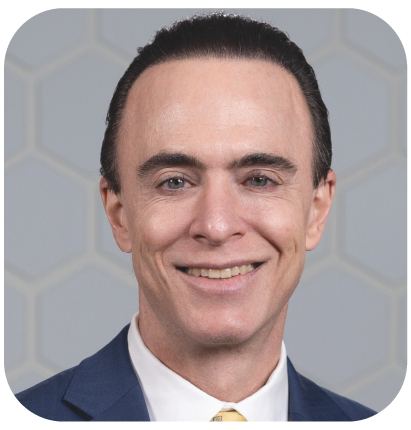
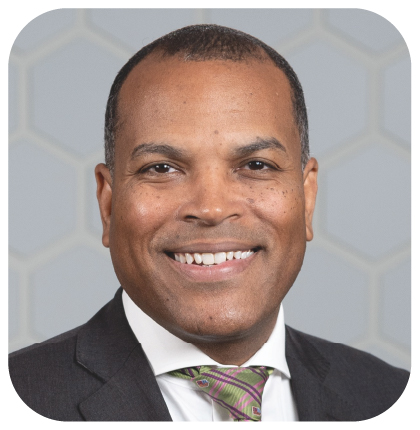
Corporate Governance Documents
The Board adopted several corporate governance documents that compose Huntington’s governance framework. Chief among these is the Corporate Governance Guidelines that detail Board responsibilities, Director qualifications, and structures and practices intended to enhance the Board’s effectiveness. As demonstrated throughout this Corporate Governance section and as highlighted in the Proxy Summary section, Huntington has a record of implementing a strong governance framework.
Documents available on or through our website at ir.huntington.com: Board Committee Charters • Audit Committee Charter • Executive Committee Charter • HRCC Charter • NCG Committee Charter • Risk Oversight Committee Charter • Technology Committee Charter |
Corporate Governance Documents • Code of Conduct and Ethics • Corporate Governance Guidelines • Financial Code of Ethics for CEO and Senior Financial Officers • Financial Restatement Recoupment Policy • Insider Trading Policy • Misconduct Recoupment Policy • Investor Relations Public Disclosure and Access Policy • Environmental Policy Statement • Climate Risk Statement • Huntington Political Action Committee (HBI-PAC) Contribution Report(s) |
71 | 2026 Proxy Statement



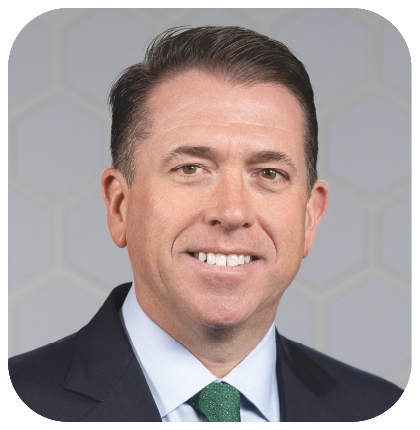
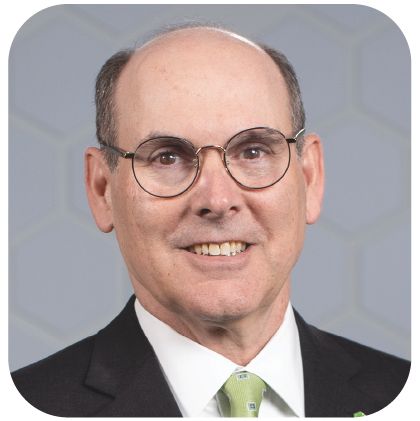


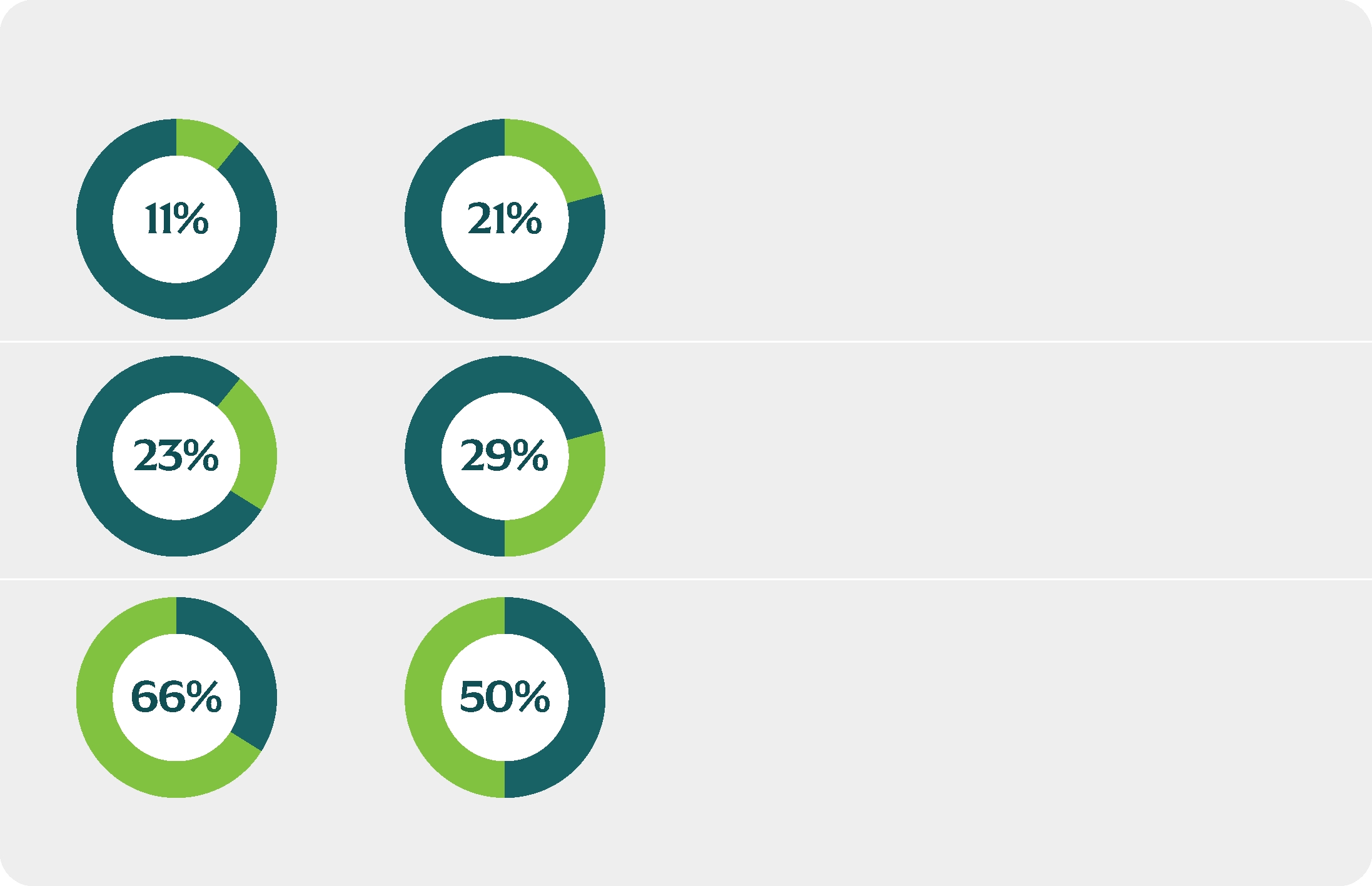
Compensation of Executive Officers: Our Approach to Executive Compensation |
|
The Company’s 2025 performance was reviewed in accordance with the MIP and certified by the HRCC in January 2026. Consistent with prior years, the 2025 results included positive or negative adjustments for “extraordinary events.” Huntington’s performance against the three MIP metrics (Adj. EPS, Adj. PPNR Earnings Growth, and Adj. Operating Leverage) was 151.9% of target. HRCC approved the final MIP funding at 149% as appropriate recognition of the Company's 2025 performance.
Strong Financial and Operational Performance of Compensation Metrics
Strategic Business Objective |
Compensation Component or Metric |
2025 Actual Results |
|
Aligning pay with performance |
Adjusted EPS Performance measure for annual incentive |
$ |
1.50(1) |
Focusing on quality revenue |
Adjusted PPNR Earnings Growth Performance measure for annual incentive |
|
14.0%(1) |
Managing expense growth |
Adjusted Operating Leverage Performance measure for annual incentive |
|
2.85%(1) |
Achieving long-term profitable growth and returns |
Adjusted ROTCE Performance measure for performance share units |
|
16.4%(1) |
Risk Management Culture
The HRCC’s oversight responsibility includes the relationship among risk takers, risk management, and compensation. We regularly monitor our incentive arrangements for colleagues at all levels, and we strive to enhance incentive risk management in light of developing best practices and regulatory guidance. For additional detail, see Risk Assessment of Incentive Compensation below.
Integrity is at the heart of our organizational identity, and we require that all of our colleagues follow both the letter and intent of our Code of Conduct and Ethics. Colleagues at all levels in the organization are also subject to our robust Misconduct Recoupment Policy, which serves as a tool to recover vested or unvested incentive compensation in applicable situations. In general, situations that trigger a review under this policy involve misconduct or behaviors or actions outside the bounds of the Company’s overall risk appetite and governance structure. The HRCC is responsible for making any compensation recoupment determination with respect to executive officers. Our executive officers are also subject to our Financial Restatement Compensation Recoupment Policy. Pursuant to this policy, any incentive-based compensation received by covered executive officers granted, earned, or vested based on a financial reporting measure that was restated can be recouped. See below under Recoupment of Incentive Compensation for additional details.
Long-Term Focus
Huntington’s compensation program for executives is long-term focused and aligns the interests of our executives with those of our shareholders. Long-term incentives make up the most significant portion of total NEO compensation, a majority of the aggregate value of which consists of performance-based awards, and we combine that with our robust stock ownership requirements.
The Importance of Stock Ownership
Huntington is committed to a culture of stock ownership, which aligns management’s interests with those of shareholders. The requirement to own Huntington common stock is a critical foundation of our executive compensation philosophy and applies to our ELT as well as to our next level executives by salary grade. Mr. Steinour’s commitment to this principle, and to the Company, is evidenced by his significant personal investment in Huntington through his ownership of Huntington common stock. Currently, Mr. Steinour owns significantly more Huntington common stock than our industry-leading 10X salary ownership requirement for the CEO. Each other ELT member at the senior executive vice president level, including each of our NEOs, has an ownership guideline of 3X their salary. See additional detail under Stock Ownership Requirements.
75 | 2026 Proxy Statement

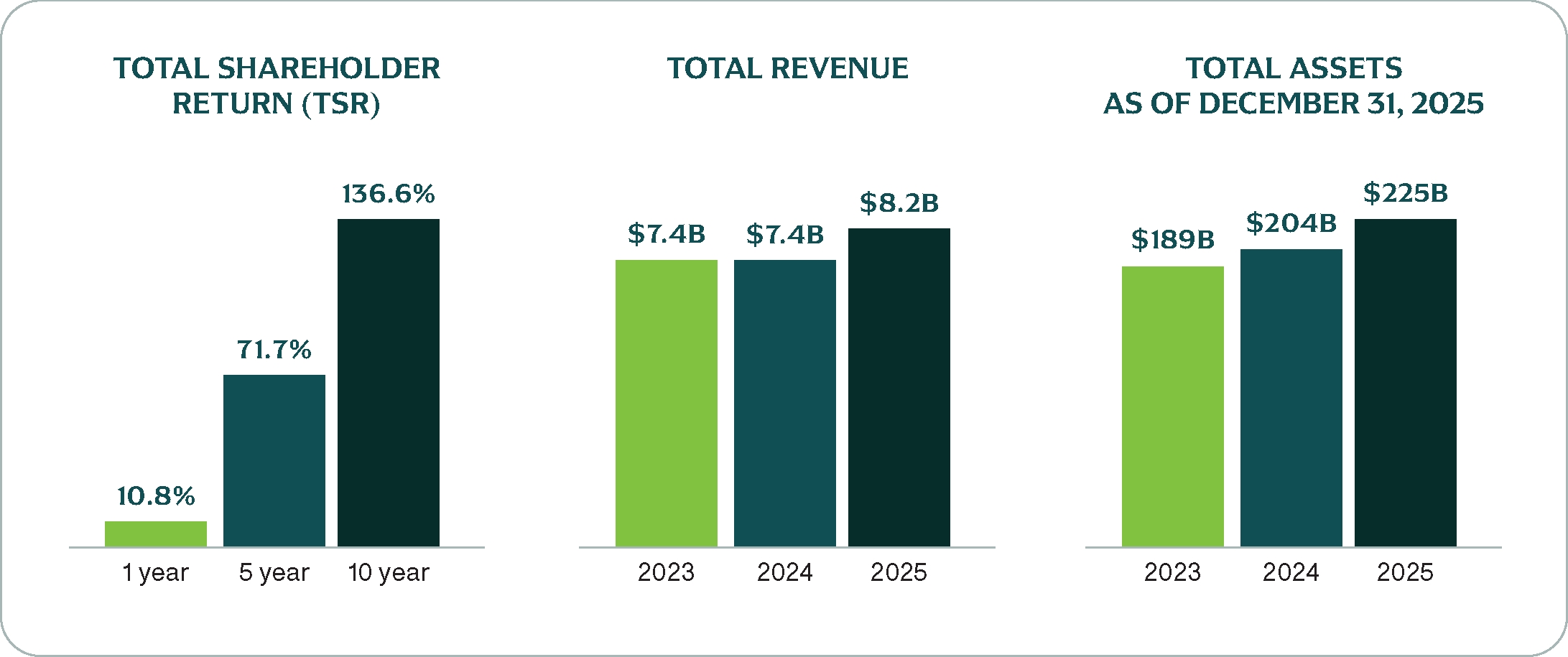
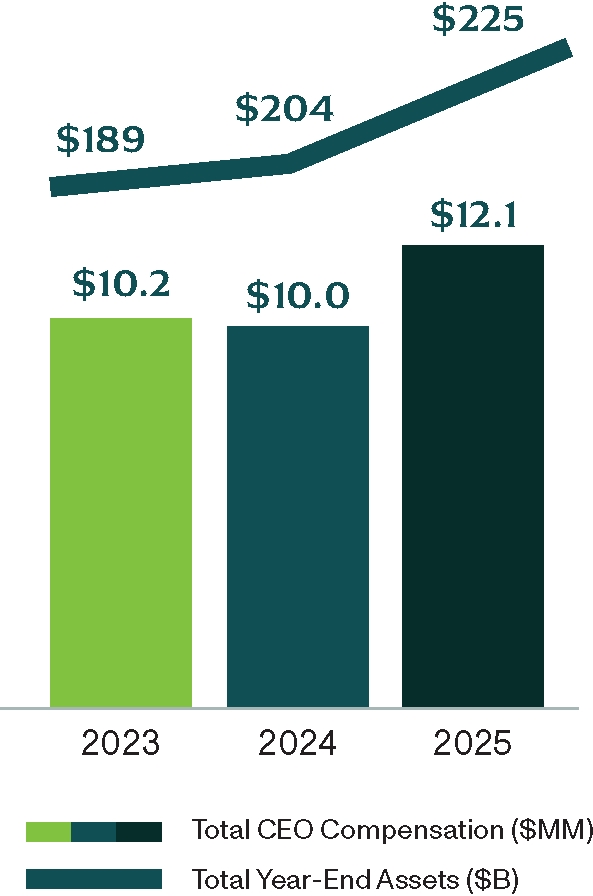
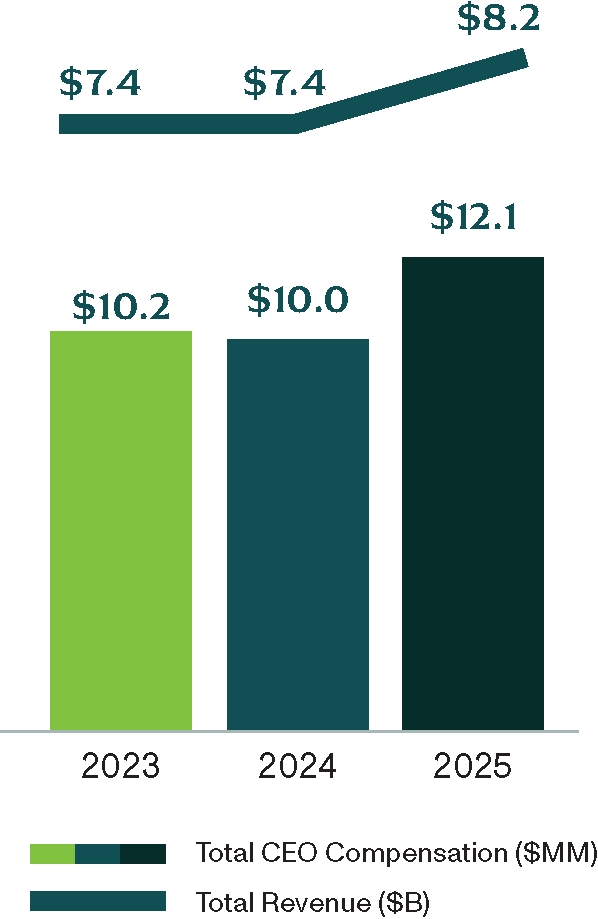









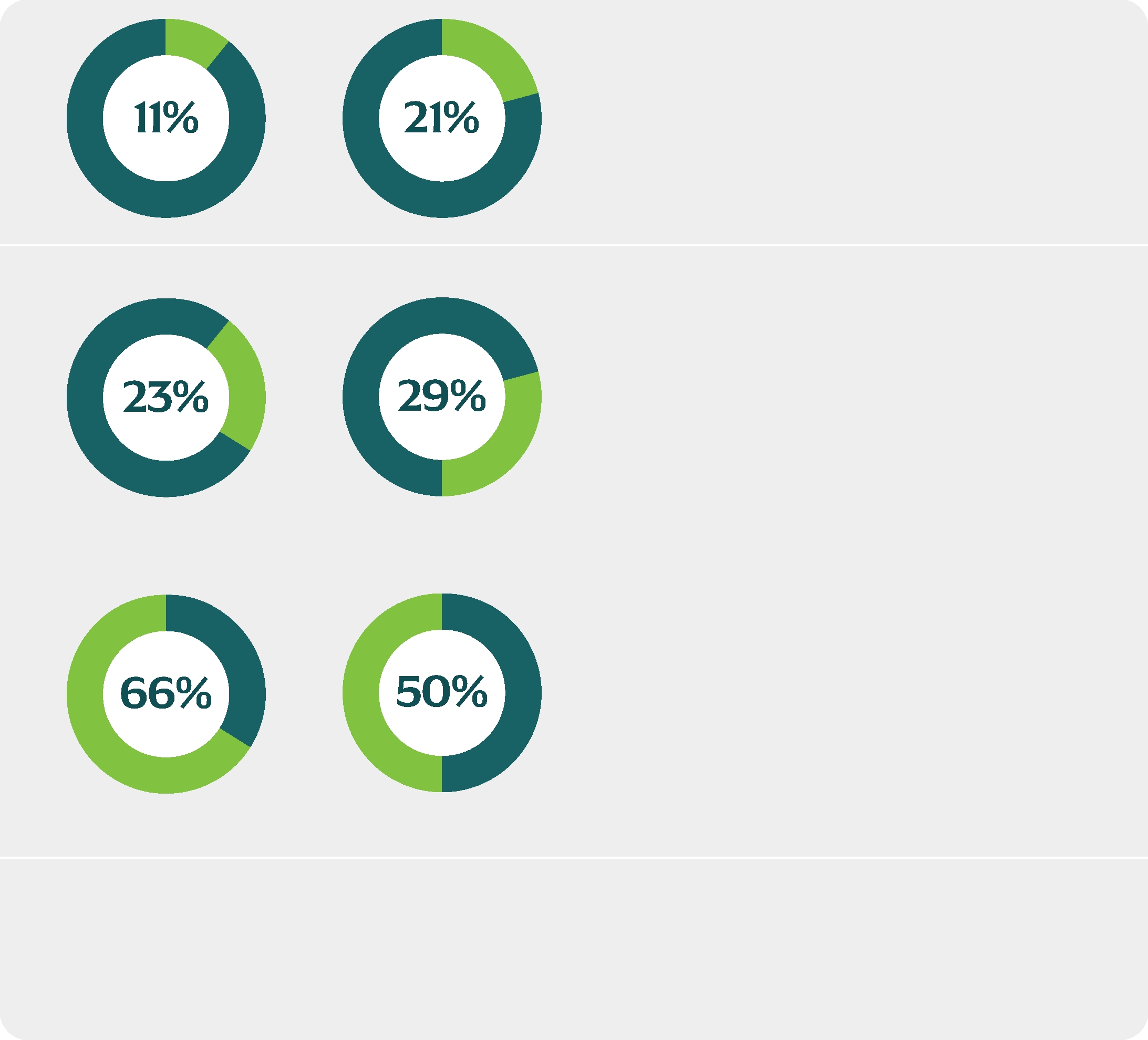

Compensation of Executive Officers: 2025 Performance Awards Results |
|

For the 2025 MIP plan year, Adjusted EPS, Adjusted PPNR Earnings Growth, and Adjusted Operating Leverage targets were each set in January with reference to the annual financial budget. Typically, budgets reflect the outlook for the upcoming year, and the targets in 2025 factored in market uncertainty and volatility, a falling yield curve, and expense investments to drive long-range plan results in key growth areas including the addition of new commercial verticals and expansion into geographies in the Carolinas and Texas. With these considerations, 2025 targets for Adjusted EPS and Adjusted PPNR Growth were set higher and Adjusted Operating Leverage was set lower than 2024 actual results.
For each metric, the HRCC determined a threshold, target, and maximum level of achievement based on the Company’s operating plan for 2025, with each performance measure independent of achievement of the other criteria. We interpolate between the threshold, target, and maximum goals to ensure sound incentive compensation arrangements and appropriate pay for performance alignment. MIP funding may range from 0% of target to 200% of target. In 2025, as a part of the Company’s expense management plan, achievement of 100% of the MIP budgeted goals were set at a 95% payout level.
Adjustments for Extraordinary Events
In determining whether a performance goal has been met, the HRCC may include or exclude “Extraordinary Events,” as defined in the MIP, or any other objective events or occurrences, in either establishing the performance goal based on the qualifying performance criteria or in determining whether the performance goal has been achieved; provided, however, that the HRCC retains the discretion to adjust awards upward or downward based on the HRCC’s evaluation of such events or other factors.
2025 Performance Awards Results
The Company’s 2025 performance was reviewed in accordance with the MIP and certified by the HRCC in January 2026. The adjustments in the appendix relate to unbudgeted items that had meaningful impact to the MIP performance calculations, and the nature of the adjustments is consistent with those approved in prior periods. As adjusted, Huntington’s performance against the three MIP metrics (Adj. EPS, Adj. PPNR Earnings Growth, and Adj. Operating Leverage) was 151.9% of target. HRCC approved the final MIP funding at 149% as appropriate recognition of the Company's 2025 performance.
The table below provides the schedule of metrics and goals that the HRCC approved for 2025, along with the Company’s performance against the goals, as determined by the Committee, and the final approved funding of the plan:
|
|
|
|
2025 Performance |
|
Calculated |
||
Metric |
|
Weight |
|
Threshold |
Target |
Maximum |
|
|
Adjusted EPS(1) |
|
|
|
|
|
157% |
||
Adjusted PPNR Earnings Growth(1) |
|
|
|
|
|
152% |
||
Adjusted Operating Leverage(1) |
|
|
|
|
|
147% |
||
% of Target |
|
100.0% |
|
|
|
|
|
151.9% |
Final Approved Funding(2) |
|
|
|
|
|
|
|
149% |
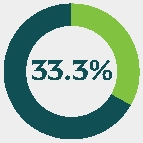



83 | 2026 Proxy Statement
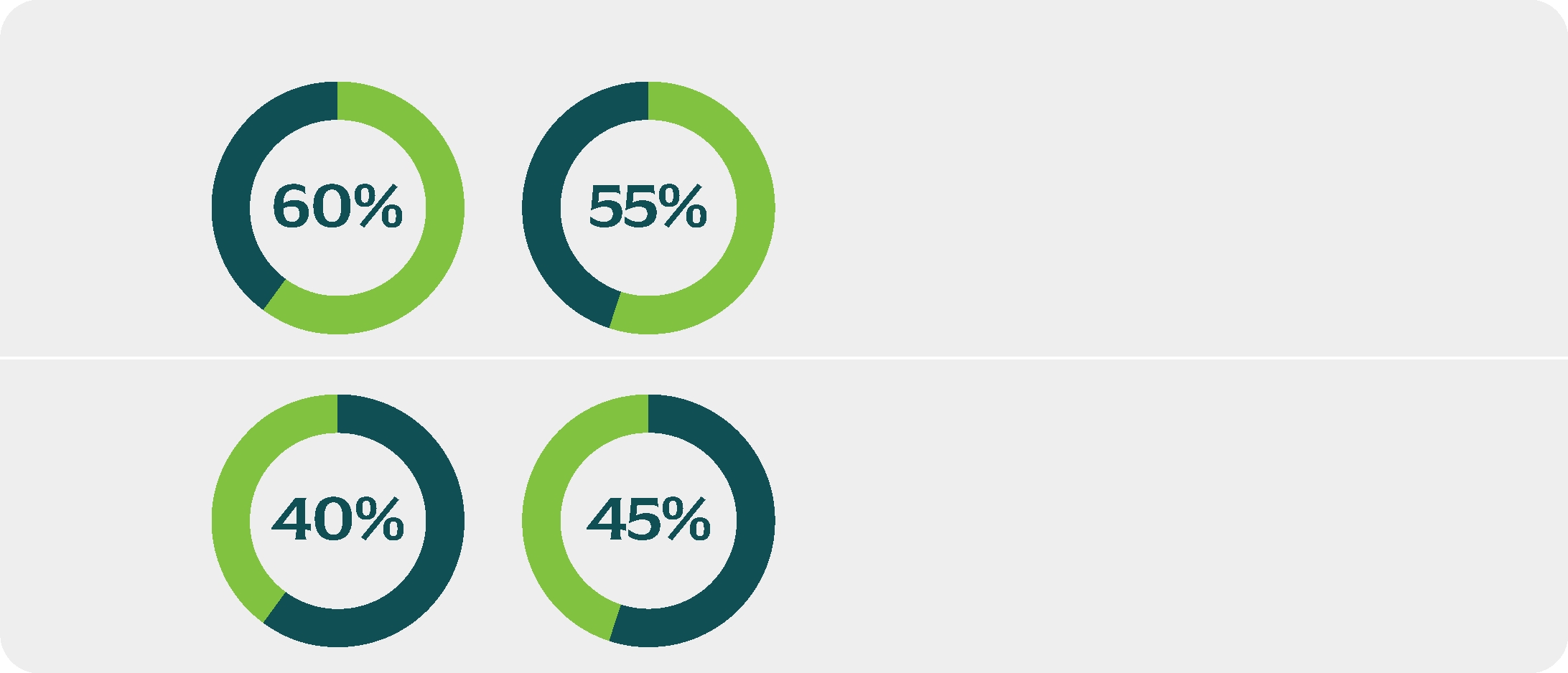








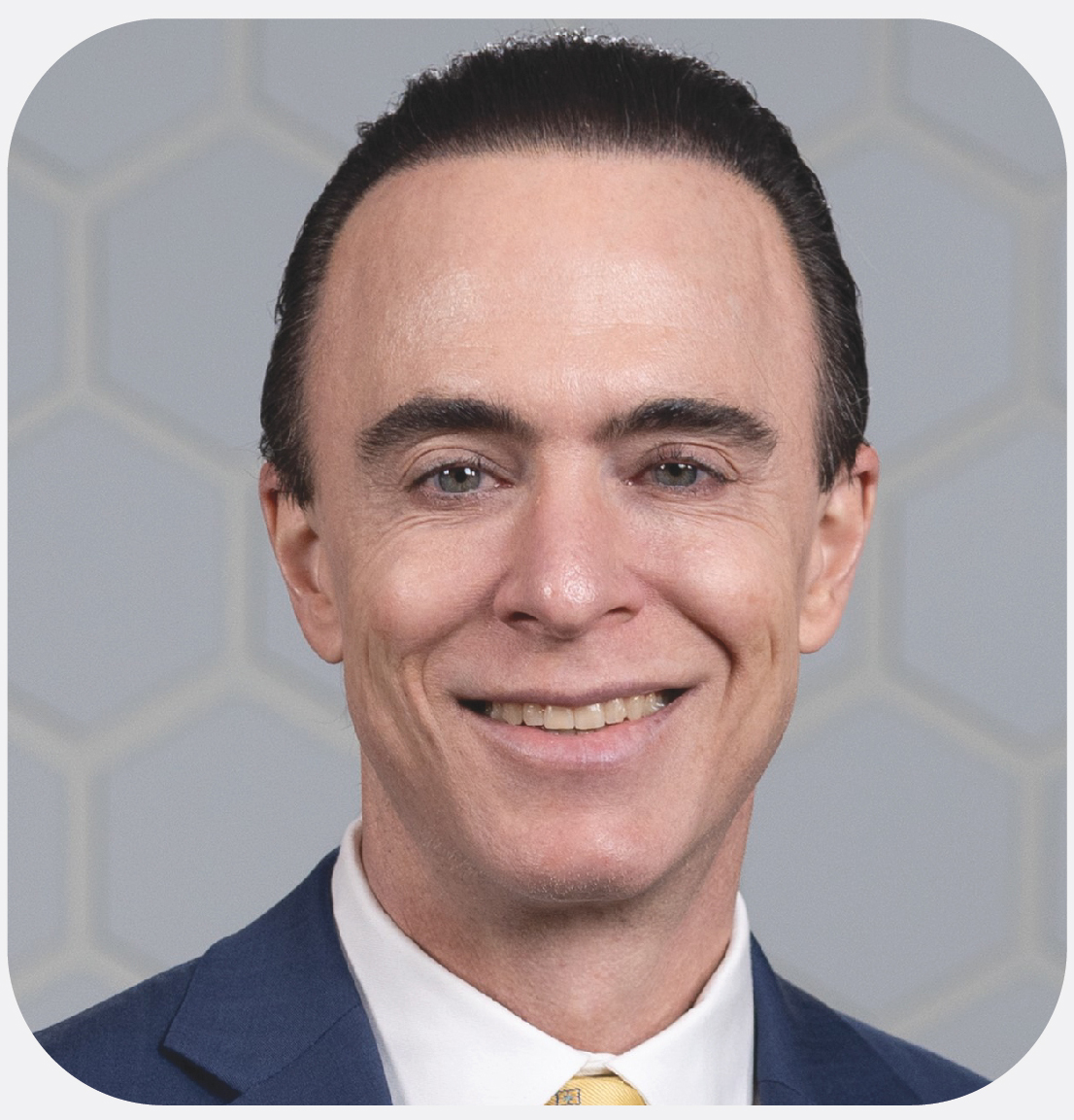
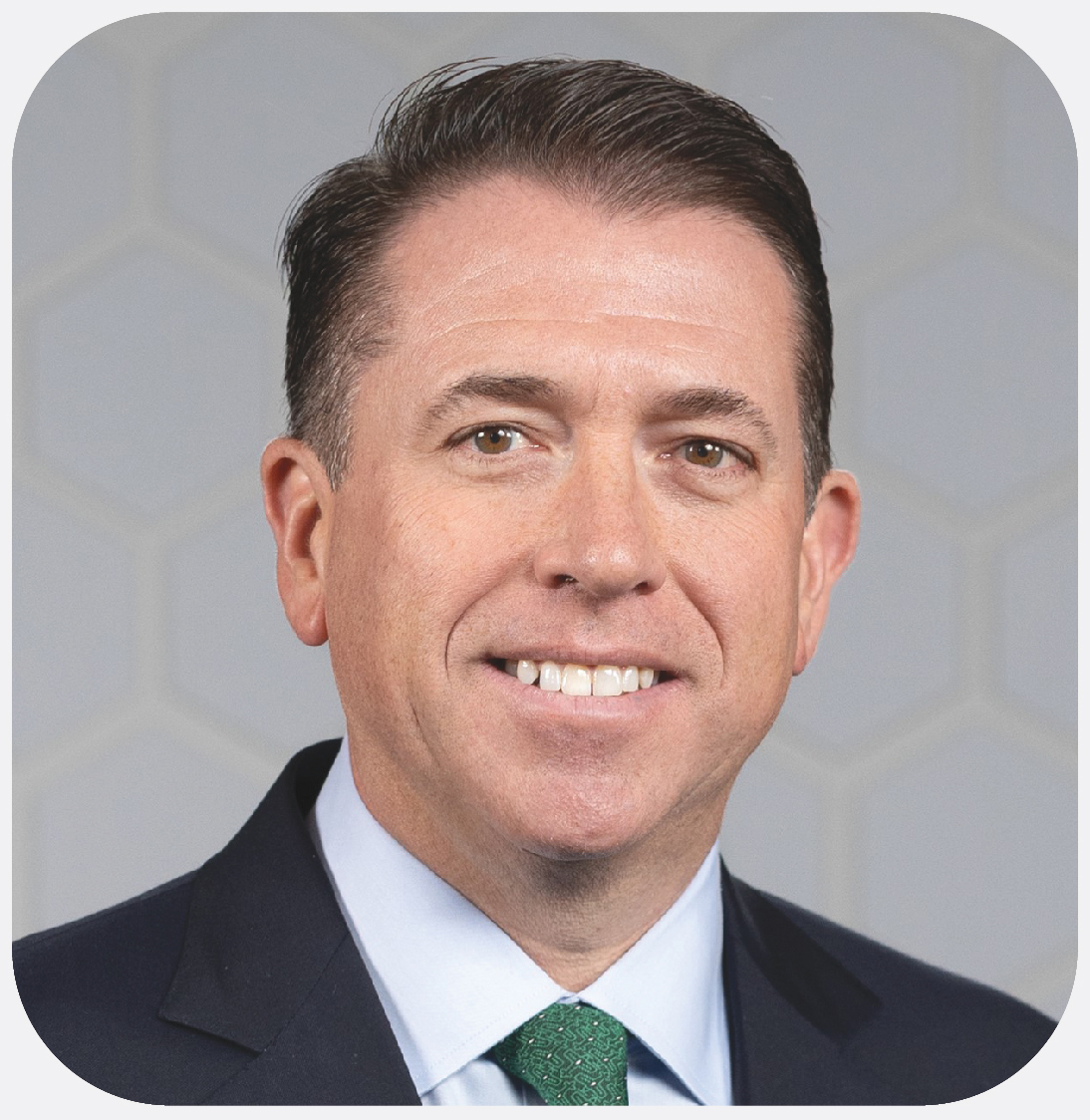

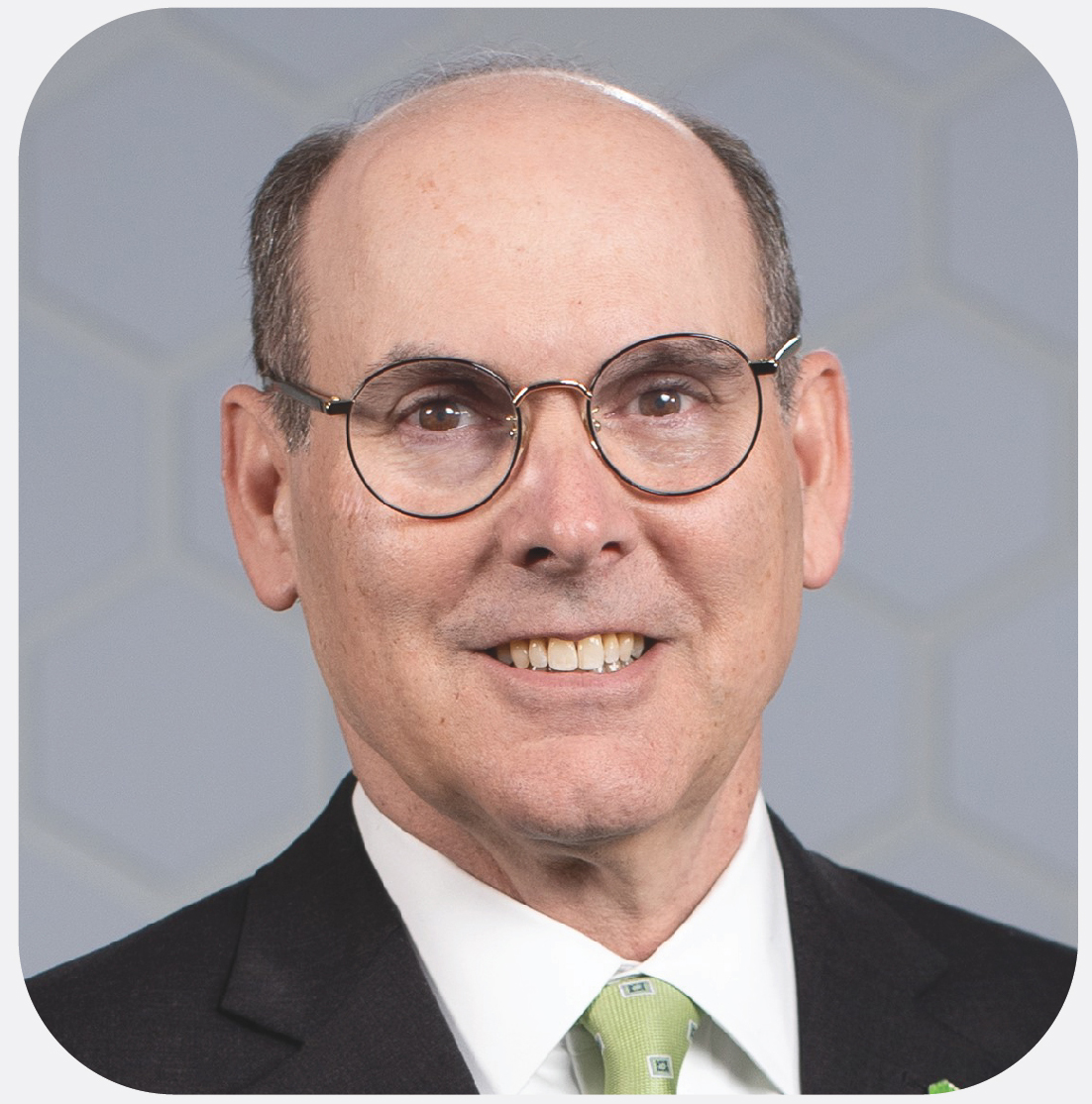

|
Compensation of Executive Officers: Recently Completed PSU Performance Cycles |

Recently Completed PSU Performance Cycles
2022 – 2024 Cycle
In April 2025, the HRCC determined the final award values for the PSU awards granted in 2022, which had a three-year performance cycle that ended on December 31, 2024. These awards were settled in shares of Huntington stock. The metric for this cycle was three-year relative ROTCE targeted at the 55th percentile performance for the selected peer group, subject to an average annual minimum absolute ROTCE of 6%, adjusted for significant items by utilizing S&P Core ROTCE data for all companies. In addition, for years 2022 and 2023, the performance was subject to an increase of up to 20% for revenue earned incremental to the budget from new revenue sources intended to create shareholder value but not envisioned in the then current strategic initiatives when these PSUs were granted. During the period January 1, 2022 through December 31, 2024, relative ROTCE was above maximum performance, with absolute adjusted ROTCE at 20.26%. In addition, the incremental revenue generated resulted in application of a 20% award multiplier. Therefore, the final award results achieved were 150% x 20% which equaled a final award of 180% of target.
2022 – 2024 Cycle (January 1, 2022 Through December 31, 2024)
Metric |
|
Target |
|
Result |
Relative ROTCE |
|
55th percentile performance for the selected peer group |
|
75.6th percentile |
Absolute ROTCE – Performance Threshold |
|
6% |
|
20.26% |
|
|
Final Award |
|
180% of target |
2023 – 2025 Cycle
December 31, 2025 marked the end of the three-year performance cycle for PSU awards granted in 2023. The HRCC expects to certify the results and determine the final values for these PSU awards in the First Quarter of 2026. The metric for this cycle was relative ROTCE targeted at the 55th percentile performance for the selected peer group with a minimum average absolute ROTCE of 6% required for payout with a potential adjustment for new revenue, all adjusted for significant items by utilizing S&P Core ROTCE data for all companies.
2026 Proxy Statement | 90
Compensation of Executive Officers: Executive Compensation Decision-Making Process |
|
Executive Compensation Decision-Making Process
Who is Involved in Compensation Design and Decisions
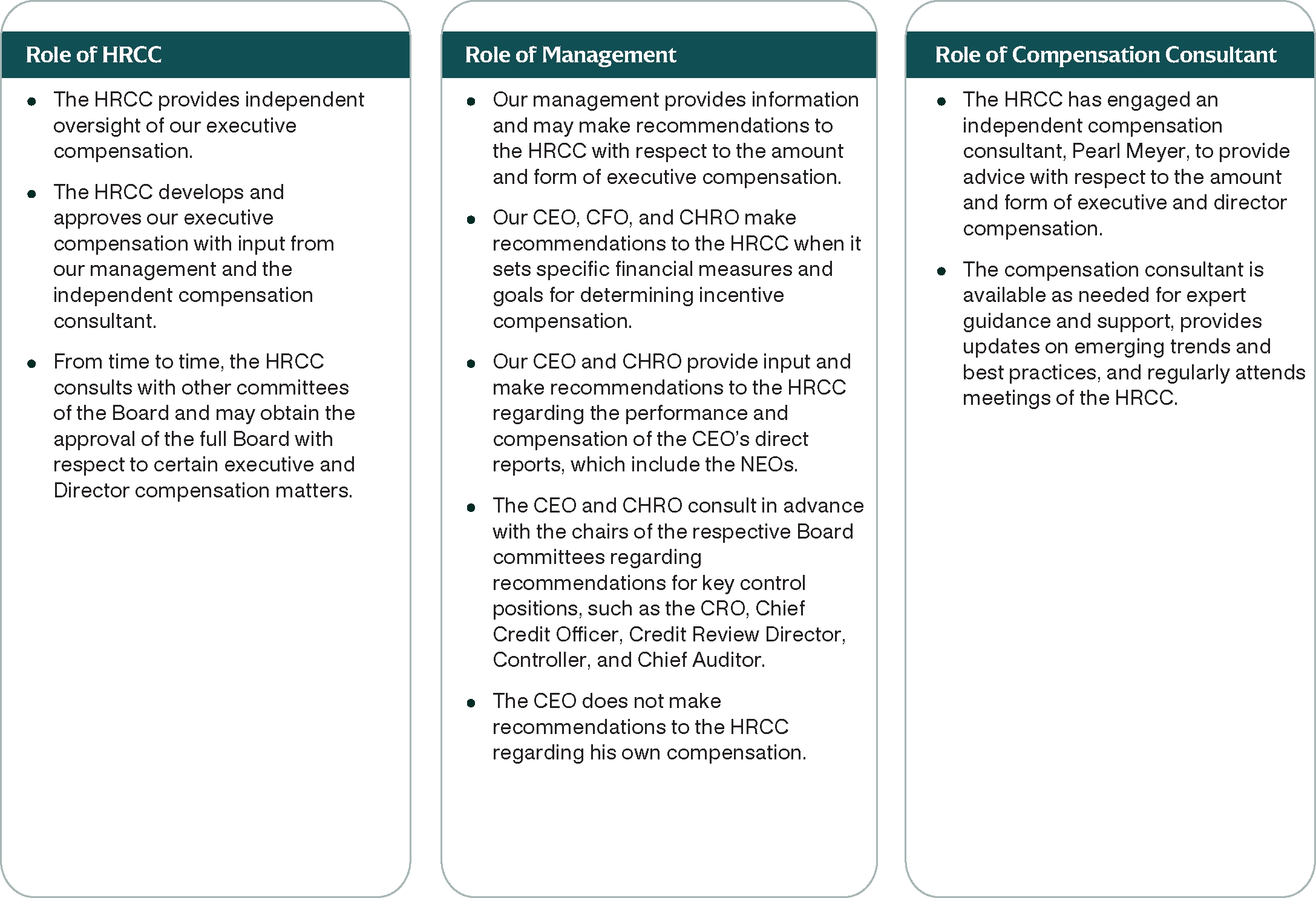
Independent Compensation Consultant
The HRCC engaged Pearl Meyer, an independent compensation consulting firm, to provide advisory services related to executive and Director compensation. The individual consultant managing the relationship with Huntington (the compensation consultant) reports directly to the HRCC and is evaluated by the HRCC on an annual basis.
Services provided by the compensation consultant during 2025 included: reviewing our selected peer group; benchmarking compensation and performance for executive officers and the Board; establishing total compensation guidelines, including targets for short- and long-term incentive plans and modeling payouts under various performance scenarios; analysis and assistance with proxy sections related to change-in-control payments and pay versus performance disclosure; review of, and recommendations for changes to, the Director compensation program; research and presentation of market trends and practices related to incentive plan design and other executive compensation-related programs; evaluation and benchmarking company-wide equity usage relative to peers; and reviewing governance and regulatory practices as applicable to executive and director compensation. During 2025, the compensation consultant did not provide any services other than advice and recommendations related to executive and Director compensation and related proxy disclosure. The HRCC received representations from the compensation consultant with respect to independence, including with respect to: the fees received by the compensation consulting firm from Huntington as a percentage of total revenue of the consulting firm; the policies or procedures maintained by the compensation consulting firm designed to prevent a conflict of interest; any business or personal relationship between the compensation consultant and any HRCC member; any business or personal relationship between the compensation consultant and our executive officers; and any Huntington stock owned by the compensation consultant. Based on a review of these representations and the services provided by the compensation consultant, the HRCC determined that the compensation consultant is independent and that the consultant’s work has not created any conflicts of interest.
91 | 2026 Proxy Statement
|
Compensation of Executive Officers: Executive Compensation Decision-Making Process |
Procedures for Determining Executive Compensation
Although the HRCC makes independent determinations on all matters related to compensation of executive officers, certain members of management are requested to attend committee meetings and provide input to the HRCC. Input may be sought from the CEO, Human Resources, Legal, Finance, and Risk Management colleagues and others as needed to ensure the HRCC has the information and perspective it needs to carry out its duties. In particular, the HRCC will seek input from the CEO on matters relating to strategic objectives, Company performance goals, and input on his assessment of the other executive officers. The CHRO and representatives of Human Resources work with the Chair of the HRCC to ensure they have the background, information, and data needed to facilitate meetings. The HRCC also receives updates from the CFO and other members of executive management throughout the year as appropriate.
The HRCC also meets with representatives of the Audit Committee and Risk Oversight Committee, as appropriate, in making determinations.
The HRCC may delegate all or a portion of its duties and responsibilities to a subcommittee of the HRCC, or, if provided for in the terms of a particular compensation plan, to a management committee in accordance with the terms of such plan. The HRCC delegates some responsibilities to management to assist in development of design considerations, with permission to work with the HRCC’s compensation consultant, to develop proposals for the HRCC’s consideration. The HRCC may not, however, delegate the determination of compensation for executive officers to management. From time to time, the HRCC may obtain the approval of the Board with respect to certain executive and Director compensation matters.
The HRCC takes risk into account when determining compensation and supports an executive compensation philosophy that balances risk and reward with a mix of base pay, short-term incentives, and long-term incentives, with greater emphasis on long-term incentives. The HRCC’s role in the oversight of incentive compensation risk is discussed under The Board’s Role in Risk Oversight above.
Market Referencing
The HRCC regularly reviews peer and industry information concerning levels of compensation and performance as a competitive frame of reference. The HRCC uses this information and analysis as a benchmarking reference for setting pay opportunities and making pay decisions, such as changes to base salaries, annual incentive awards, and long-term incentive grants. A key source of information is a peer group of regional banks similar to Huntington in terms of size and business model.
The peer banks are reviewed each year using an objective process recommended by the independent compensation consultant and approved by the HRCC. The process begins with the selection of U.S.-based publicly-traded commercial banks considering asset size as of the prior year-end. A few banks with relevant asset size are eliminated due to significant differences in business model.
At the recommendation of the independent compensation consultant, the HRCC selected banks with asset sizes between approximately $80 billion to $686 billion (as of September 30, 2024), excluding banks that are non-commercial, distressed, or have significant business differences, including international presence or focus, unique headquarter locations, or a focus on different services. Preference is also given to banks in the current peer group or banks identified as our peers by third-party proxy advisors. The HRCC decided to add First Horizon Corporation to the Company’s peer group for 2025, which increased the peer group size from ten peers to eleven peers.
The peer group consists of eleven bank holding companies; six larger and five smaller in terms of total assets, positioning Huntington slightly below the median for asset size. The HRCC chose the eleven peers to represent the most appropriate market comparators for Huntington in terms of industry and size. The independent compensation consultant also provided the HRCC with industry analysis reflective of Huntington’s size and business profile as appropriate to supplement the peer group data. This included utilizing size-adjusted comparisons representing data from companies that fell closest to our asset size, including market capitalization, employees, and number of branches.
The HRCC believes it is important to select peers who are relevant based on size and business models in order to make appropriate pay comparisons. As Huntington has grown in recent years and continues to grow, the HRCC makes changes to the peer group to ensure it remains reflective of appropriate peers, both larger and smaller, ultimately positioning Huntington near the median.
2026 Proxy Statement | 92
Compensation of Executive Officers: Other Policies and Practices |
|

Peer Banks Names |
|
Peer Bank for 2024 |
|
Peer Bank for 2025 |
Citizens Financial Group, Inc. (CFG) |
|
|
|
|
Comerica Incorporated (CMA) |
|
|
|
|
Fifth Third Bancorp (FITB) |
|
|
|
|
First Horizon Corporation (FHN) |
|
|
|
|
KeyCorp (KEY) |
|
|
|
|
M&T Bank Corporation (MTB) |
|
|
|
|
PNC Financial Services Group, Inc. (PNC) |
|
|
|
|
Regions Financial Corporation (RF) |
|
|
|
|
Truist Financial Corporation (TFC) |
|
|
|
|
U.S. Bancorp (USB) |
|
|
|
|
Zions Bancorporation, National Association (ZION) |
|
|
|
|

Other Policies and Practices
Stock Ownership Requirements
To reinforce the importance of stock ownership to the Company’s compensation philosophy, the HRCC has imposed ownership requirements since 2006. Executive officers, as well as approximately 70 additional next level executives, subject to the policy are required to meet and maintain a dollar value of ownership based on a multiple of salary. The executive officer’s current base salary is multiplied by their assigned multiple and compared to current holdings, valued based on a 30-day average closing stock price. For the purpose of this policy, shares owned include shares purchased in the open market, shares received upon vesting or exercise of equity awards granted by Huntington, shares held in Huntington benefit and deferred compensation plans, unvested time-based RSUs and restricted stock awards, and shares held by immediate family members sharing the same household. Executive officers generally have five years to meet their ownership levels and thereafter must continue to meet the requirements on an ongoing basis. As of February 24, 2026, each NEO who has served at least five years meets the guidelines.
NEO Ownership Guidelines
Executive |
|
Multiple |
Steinour |
|
10X |
Wasserman |
|
3X |
Standridge |
|
3X |
Kleinman |
|
3X |
Houston |
|
3X |
Annual Long-Term Incentive Award Grant Practices
The Long-Term Incentive Plan permits the HRCC to designate a grant date effective on or following the date of its action.
93 | 2026 Proxy Statement
|
Compensation of Executive Officers: Other Policies and Practices |
Recoupment of Incentive Compensation
We have multiple overlapping ways to hold our colleagues, including our NEOs, accountable and recover compensation. These include (i) terms of our Long-Term Incentive Plans, (ii) terms of our Annual Incentive Plan, (iii) our internal Recoupment Policy (our Misconduct Recoupment Policy), (iv) our Financial Restatement Compensation Recoupment Policy in compliance with Rule 10D-1 of the Exchange Act, the SEC regulations promulgated thereunder, and Nasdaq Rules, (v) the Sarbanes-Oxley Act, and (vi) the Dodd-Frank Act. The following types of incentive compensation are subject to recoupment:
• any bonus or other cash incentive payment, including commissions, previously paid or payable, and
• any equity compensation, vested or unvested (including without limitation, performance shares and PSUs, restricted stock and RSUs and stock options), and net proceeds of any exercised or vested equity awards.
Tool |
|
Compensation Covered |
|
Conduct Covered |
|
Consequence |
Long-Term Incentive Compensation |
|
All equity awards made under the Long-Term Incentive Plans, except following a change in control. |
|
A serious breach of conduct or solicitation of customers or potential customers with whom the participant had contact during the participant’s employment with us. |
|
Termination of any outstanding vested or unvested award in whole or in part, or repayment of any benefit received if such conduct or activity occurs within three years following the exercise or payment of an award, and awards may be forfeited upon termination of employment for cause. |
Annual Incentive Compensation |
|
Awards made under the Annual Incentive Plan. |
|
Restatement of financial statements because of a material noncompliance with financial reporting requirements; taking of unnecessary or excessive risk, manipulation of earnings; or engaging in any misconduct described in the Misconduct Recoupment Policy. |
|
Repayment of any amount previously paid in excess of what would have been paid under the restated financial statements or such other amount in accordance with the Dodd-Frank Act. |
Misconduct Recoupment Policy (Misconduct or Performance) |
|
Any bonus or other cash incentive payment, including commissions, previously paid or payable and any equity compensation, vested or unvested, and net proceeds of any exercised or vested equity awards. |
|
Misconduct, including fraud, intentional misconduct, gross negligence, or manipulation of earnings; and Performance, including taking of excessive risk outside the bounds of the Company’s risk governance structure. |
|
Potential reimbursement or forfeiture of incentive compensation. |
Financial Restatement Compensation Recoupment Policy (Restatement of Financials) |
|
Any incentive-based compensation received by covered executive officers on or after October 2, 2023, including any cash or equity or equity-based compensation (whether deferred or current) that is granted, earned, and/or vested based wholly or in part upon the achievement of a financial reporting measure, and any amounts that were determined based on incentive-based compensation. |
|
Restatement of financial statements resulting from material noncompliance with financial reporting requirements under U.S. securities laws. |
|
Repayment of all erroneously awarded compensation. |
Sarbanes-Oxley Act |
|
Incentive compensation paid to the CEO and CFO only within the 12-month period following the release of financial information that subsequently was restated. |
|
Misconduct resulting in required restatement of any financial reporting required under securities laws. |
|
Reimbursement of bonus, incentive-based or equity-based compensation received within the 12-month period following the public release of financial information that was restated. |
Dodd-Frank Act |
|
Incentive compensation during the three-year period preceding the date on which the restatement is required from any current or former executive officers or any other individual specified in the Dodd-Frank Act.
|
|
Restatement of any Company financial statements because of a material financial reporting violation. |
|
Recovery of the amount in excess of the incentive compensation payable under the Company’s restated financial statements. |
2026 Proxy Statement | 94




|
Executive Compensation Tables |
Executive Compensation Tables
Summary Compensation 2025
The following table sets forth the compensation paid by us and by our subsidiaries for each of the last three fiscal years ended December 31, to our principal executive officer, principal financial officer, and the three other most highly-compensated executive officers serving at the end of 2025:
Name and |
Year |
Salary |
Bonus |
Stock |
Option |
Non-Equity |
Change in |
All Other |
Total |
||||||||
|
|
|
|
|
|
|
|
|
|
|
|
|
|
|
|
|
|
|
|
|
|
|
|
|
|
|
|
|
|
|
|
|
|
|
|
Stephen D. Steinour |
2025 |
1,189,583 |
|
— |
|
6,899,983 |
|
— |
|
3,550,000 |
|
— |
|
484,792 |
|
12,124,358 |
|
Chairman, President |
2024 |
1,150,000 |
|
— |
|
5,999,994 |
|
— |
|
2,420,000 |
|
— |
|
455,669 |
|
10,025,663 |
|
and CEO |
2023 |
1,139,583 |
|
— |
|
5,999,987 |
|
— |
|
2,300,000 |
|
77,639 |
|
662,270 |
|
10,179,479 |
|
|
|
|
|
|
|
|
|
|
|
|
|
|
|
|
|
|
|
|
|
|
|
|
|
|
|
|
|
|
|
|
|
|
|
|
|
Zachary J. Wasserman |
2025 |
785,985 |
|
— |
|
1,999,983 |
|
— |
|
1,900,000 |
|
— |
|
15,509 |
|
4,701,477 |
|
Chief Financial Officer, |
2024 |
744,792 |
|
— |
|
2,349,986 |
|
— |
|
1,100,000 |
|
— |
|
8,772 |
|
4,203,550 |
|
Senior Executive Vice President |
2023 |
719,792 |
|
50,000 |
|
1,999,986 |
|
— |
|
1,150,000 |
|
— |
|
17,598 |
|
3,937,376 |
|
|
|
|
|
|
|
|
|
|
|
|
|
|
|
|
|
|
|
|
|
|
|
|
|
|
|
|
|
|
|
|
|
|
|
|
|
Brant J. Standridge |
2025 |
809,375 |
|
— |
|
1,999,983 |
|
— |
|
2,000,000 |
|
— |
|
20,934 |
|
4,830,292 |
|
President, Consumer & Regional Banking, |
2024 |
750,000 |
|
— |
|
2,499,998 |
|
— |
|
1,300,000 |
|
— |
|
8,772 |
|
4,558,770 |
|
Senior Executive Vice President |
2023 |
744,792 |
|
1,550,000 |
|
1,999,986 |
|
— |
|
1,250,000 |
|
— |
|
51,954 |
|
5,596,732 |
|
|
|
|
|
|
|
|
|
|
|
|
|
|
|
|
|
|
|
|
|
|
|
|
|
|
|
|
|
|
|
|
|
|
|
|
|
Scott D. Kleinman |
2025 |
724,053 |
|
— |
|
1,499,987 |
|
— |
|
1,500,000 |
|
— |
|
15,919 |
|
3,739,959 |
|
President, Commercial Banking, |
2024 |
700,000 |
|
— |
|
1,999,998 |
|
— |
|
800,000 |
|
16,743 |
|
12,604 |
|
3,529,345 |
|
Senior Executive Vice President |
2023 |
689,583 |
|
— |
|
1,799,984 |
|
— |
|
900,000 |
|
25,094 |
|
21,870 |
|
3,436,531 |
|
|
|
|
|
|
|
|
|
|
|
|
|
|
|
|
|
|
|
|
|
|
|
|
|
|
|
|
|
|
|
|
|
|
|
|
|
Helga S. Houston |
2025 |
675,000 |
|
— |
|
1,599,977 |
|
— |
|
1,200,000 |
|
— |
|
8,772 |
|
3,483,749 |
|
Chief Risk Officer |
2024 |
— |
|
— |
|
— |
|
— |
|
— |
|
— |
|
— |
|
— |
|
Senior Executive Vice President |
2023 |
— |
|
— |
|
— |
|
— |
|
— |
|
— |
|
— |
|
— |
|
|
|
|
|
|
|
|
|
|
|
|
|
|
|
|
|
|
|
1) Mr. Standridge joined Huntington as President, Consumer and Business Banking on April 11, 2022. Ms. Houston's title changed to Senior Executive Vice President effective as of March 1, 2026.
2) In connection with Mr. Wasserman joining Huntington in 2019, Mr. Wasserman received payments, including a three-year cash payment of $50,000 per year commencing in May 2021 to compensate him for certain cash and equity payments and benefits which he forfeited due to accepting employment with Huntington. In connection with Mr. Standridge joining Huntington in April 2022, Mr. Standridge received a signing bonus of $1,670,000, $120,000 of which was paid in May 2022 and $1,550,000 of which was paid in February 2023, subject to recoupment if Mr. Standridge terminates his employment with Huntington voluntarily or for cause within 24 months of each payment.
3) The amounts in this column are the grant date fair values of awards of RSUs and PSUs determined for accounting purposes in accordance with FASB ASC Topic 718. The PSUs are valued at target. The assumptions made in the valuation are discussed in Note 16 “Share-Based Compensation” of the Notes to Consolidated Financial Statements for our financial statements for the year ended December 31, 2025. The grant date fair value of the 2025 awards is set forth below:
|
|
Time-Vesting |
|
Performance-Based |
|
Total Stock |
|||
|
|
|
|
|
|
|
|
|
|
Stephen D. Steinour |
|
2,759,990 |
|
|
4,139,993 |
|
|
6,899,983 |
|
Zachary J. Wasserman |
|
899,986 |
|
|
1,099,997 |
|
|
1,999,983 |
|
Brant J. Standridge |
|
899,986 |
|
|
1,099,997 |
|
|
1,999,983 |
|
Scott D. Kleinman |
|
674,993 |
|
|
824,994 |
|
|
1,499,987 |
|
Helga S. Houston |
|
719,986 |
|
|
879,991 |
|
|
1,599,977 |
|
2026 Proxy Statement | 96
Executive Compensation Tables: Summary Compensation 2025 |
|

|
|
Dollar Value of |
|||
|
|
|
|
|
|
Stephen D. Steinour |
|
|
6,209,982 |
|
|
Zachary J. Wasserman |
|
|
1,649,988 |
|
|
Brant J. Standridge |
|
|
1,649,988 |
|
|
Scott D. Kleinman |
|
|
1,237,483 |
|
|
Helga S. Houston |
|
|
1,319,987 |
|
|
4) The amounts in this column are annual cash incentive awards earned under the MIP for 2025.
5) The amount in this column for the 2025 fiscal year represents the change in the actuarial present value of accumulated benefit from December 31, 2024 to December 31, 2025, under two defined benefit pension plans: the Retirement Plan and the SRIP. These plans were closed to new hires after December 31, 2009, and were frozen as of December 31, 2013. Benefits are based on levels of compensation and years of credited service as of December 31, 2013. The valuation method used to determine the present values, and all material assumptions applied, are discussed in Note 17 “Benefit Plans” of the Notes to Consolidated Financial Statements for the fiscal year ended December 31, 2025. The change in present value for Messrs. Steinour and Kleinman under each plan is detailed below. The “Total Change in Present Value” cannot be a negative number, which would be $(12,217) for Mr. Kleinman and $(7,701) for Mr. Steinour. Mr. Kleinman’s “Total Change in Present Value” decreased for Retirement Plan due to an increase in the lump sum rate, partially offset by Mr. Kleinman's being one year older than the prior year and the decrease in the discount rate. Mr. Steinour’s “Total Change in Present Value” decreased for Retirement Plan since he delayed his retirement past the normal retirement age and an increase in the lump sum rate, partially offset by the decrease in discount rate. Mr. Steinour’s “Total Change in Present Value” decreased for the SRIP since he delayed his retirement past the normal retirement age, partially offset by the decrease in the discount rate. Messrs. Wasserman and Standridge and Ms. Houston were not eligible to participate in these plans, as they began their employment after participation was closed to new hires. Additional detail about these plans is set forth in the discussion following the table of Pension Benefits 2025 below. There were no above-market or preferential earnings on non-qualified deferred compensation.
|
|
Change in Present |
|
Change in Present |
|
Total Change in |
|||
|
|
|
|
|
|
|
|
|
|
Stephen D. Steinour |
|
$(6,627) |
|
|
$(1,074) |
|
|
— |
|
Scott D. Kleinman |
|
$(12,217) |
|
|
— |
|
|
— |
|
6) All other compensation as reported in this column includes: our contributions to the 401(k) Plan (a defined contribution plan); perquisites and personal benefits, including executive physical benefits, valued at incremental cost to us; and premiums for group term life insurance. These amounts are detailed below.
|
|
Amounts Contributed |
|
Perquisites and |
|
Group Term Life |
|
Total All Other |
||||
|
|
|
|
|
|
|
|
|
|
|
|
|
Stephen D. Steinour |
|
8,000 |
|
|
476,020 |
|
|
772 |
|
|
484,792 |
|
Zachary J. Wasserman |
|
8,000 |
|
|
6,737 |
|
|
772 |
|
|
15,509 |
|
Brant J. Standridge |
|
8,000 |
|
|
12,162 |
|
|
772 |
|
|
20,934 |
|
Scott D. Kleinman |
|
8,000 |
|
|
7,147 |
|
|
772 |
|
|
15,919 |
|
Helga S. Houston |
|
8,000 |
|
|
— |
|
|
772 |
|
|
8,772 |
|
7) In the ordinary course of business, Huntington maintains a number of automobiles and has access to a corporate aircraft as needed to provide secure and efficient business transportation for senior management. When it is not otherwise needed for business travel, a corporate aircraft may be available to the CEO for personal usage for reasons of security, efficiency, personal safety, and health and safety concerns. The amount reported for use of the corporate plane reflects the aggregate incremental cost to Huntington for Mr. Steinour’s personal use during 2025. The incremental cost was $456,009 based on multiplying the annual flight hours by an hourly rate consisting of variable operating costs including prorated maintenance, fuel, crew expenses, supplies, and all associated landing fees. As the plane is used primarily for business travel, we exclude fixed costs that do not change based on usage such as crew salaries, depreciation, and calendar-related maintenance. For efficiency and security, Mr. Steinour is also permitted personal use of automobiles, driven by Huntington security personnel, including for commuting, which permits him to work while traveling. The incremental cost of this usage to Huntington for 2025 was based on a rate per mile for fuel and maintenance and overtime costs for the drivers, totaling $14,107. Other perquisites and personal benefits for Mr. Steinour consisted of security monitoring of his personal residences, totaling $3,709. Mr. Steinour's perquisites and personal benefits included executive physical benefits totaling $2,195. Perquisites and personal benefits for Messrs. Standridge and Wasserman consisted of the shared use of the corporate aircraft to travel from a vacation to a business meeting totaling $6,737 each. Perquisites and personal benefits for Messrs. Kleinman and Standridge consisted of executive physical benefits totaling $5,425 for Mr. Standridge and $7,147 for Mr. Kleinman.
97 | 2026 Proxy Statement
|
Executive Compensation Tables: Grants of Plan-Based Awards 2025 |

Grants of Plan-Based Awards 2025
The table below sets forth potential opportunities for annual cash incentive awards under the MIP and awards of RSUs and PSUs for 2025.
|
|
|
Date of |
Estimated Future Payouts Under |
|
Estimated Future Payouts |
All Other |
|
Grant Date |
|||||||||||||
Name |
Grant |
Committee |
Threshold |
Target |
Maximum |
|
Threshold |
Target |
Maximum |
Units |
|
Awards |
||||||||||
|
|
|
|
|
|
|
|
|
|
|
|
|
|
|
|
|
|
|
|
|
|
|
|
|
|
|
|
|
|
|
|
|
|
|
|
|
|
|
|
|
|
|
|
|
|
Stephen D. Steinour |
|
|
|
|
|
|
|
|
|
|
|
|
|
|
|
|
|
|
|
|
|
|
Annual Incentive |
|
|
|
|
1,190,726 |
|
2,381,452 |
|
4,762,904 |
|
|
|
|
|
|
|
|
|
|
|
|
|
PSUs |
3/3/2025 |
|
1/31/2025 |
|
|
|
|
|
|
|
|
127,856 |
|
255,713 |
|
383,569 |
|
|
|
|
4,139,993 |
|
RSUs |
3/3/2025 |
|
1/31/2025 |
|
|
|
|
|
|
|
|
|
|
|
|
|
|
170,475 |
|
|
2,759,990 |
|
|
|
|
|
|
|
|
|
|
|
|
|
|
|
|
|
|
|
|
|
|
|
|
|
|
|
|
|
|
|
|
|
|
|
|
|
|
|
|
|
|
|
|
|
|
|
Zachary J. Wasserman |
|
|
|
|
|
|
|
|
|
|
|
|
|
|
|
|
|
|
|
|
|
|
Annual Incentive |
|
|
|
|
558,560 |
|
1,117,120 |
|
2,234,240 |
|
|
|
|
|
|
|
|
|
|
|
|
|
PSUs |
3/3/2025 |
|
1/31/2025 |
|
|
|
|
|
|
|
|
33,971 |
|
67,943 |
|
101,914 |
|
|
|
|
1,099,997 |
|
RSUs |
3/3/2025 |
|
1/31/2025 |
|
|
|
|
|
|
|
|
|
|
|
|
|
|
55,589 |
|
|
899,986 |
|
|
|
|
|
|
|
|
|
|
|
|
|
|
|
|
|
|
|
|
|
|
|
|
|
|
|
|
|
|
|
|
|
|
|
|
|
|
|
|
|
|
|
|
|
|
|
Brant J. Standridge |
|
|
|
|
|
|
|
|
|
|
|
|
|
|
|
|
|
|
|
|
|
|
Annual Incentive |
|
|
|
|
608,317 |
|
1,216,633 |
|
2,433,266 |
|
|
|
|
|
|
|
|
|
|
|
|
|
PSUs |
3/3/2025 |
|
1/31/2025 |
|
|
|
|
|
|
|
|
33,971 |
|
67,943 |
|
101,914 |
|
|
|
|
1,099,997 |
|
RSUs |
3/3/2025 |
|
1/31/2025 |
|
|
|
|
|
|
|
|
|
|
|
|
|
|
55,589 |
|
|
899,986 |
|
|
|
|
|
|
|
|
|
|
|
|
|
|
|
|
|
|
|
|
|
|
|
|
|
|
|
|
|
|
|
|
|
|
|
|
|
|
|
|
|
|
|
|
|
|
|
Scott D. Kleinman |
|
|
|
|
|
|
|
|
|
|
|
|
|
|
|
|
|
|
|
|
|
|
Annual Incentive |
|
|
|
|
435,625 |
|
871,250 |
|
1,742,500 |
|
|
|
|
|
|
|
|
|
|
|
|
|
PSUs |
3/3/2025 |
|
1/31/2025 |
|
|
|
|
|
|
|
|
25,478 |
|
50,957 |
|
76,435 |
|
|
|
|
824,994 |
|
RSUs |
3/3/2025 |
|
1/31/2025 |
|
|
|
|
|
|
|
|
|
|
|
|
|
|
41,692 |
|
|
674,993 |
|
|
|
|
|
|
|
|
|
|
|
|
|
|
|
|
|
|
|
|
|
|
|
|
|
|
|
|
|
|
|
|
|
|
|
|
|
|
|
|
|
|
|
|
|
|
|
Helga S. Houston |
|
|
|
|
|
|
|
|
|
|
|
|
|
|
|
|
|
|
|
|
|
|
Annual Incentive |
|
|
|
|
337,500 |
|
675,000 |
|
1,350,000 |
|
|
|
|
|
|
|
|
|
|
|
|
|
PSUs |
3/3/2025 |
|
1/31/2025 |
|
|
|
|
|
|
|
|
27,177 |
|
54,354 |
|
81,531 |
|
|
|
|
879,991 |
|
RSUs |
3/3/2025 |
|
1/31/2025 |
|
|
|
|
|
|
|
|
|
|
|
|
|
|
44,471 |
|
|
719,986 |
|
|
|
|
|
|
|
|
|
|
|
|
|
|
|
|
|
|
|
|
|
|
|
|
1) Each of the NEOs participated in the 2025 MIP. The award opportunities presented in the table represent the potential payout range based on percentages of salary at threshold, target, and maximum levels of corporate performance. Awards are subject to adjustment for individual and business unit performance and the discretion of the HRCC. Actual awards earned for 2025 are reported in the Summary Compensation Table under the column headed “Non-Equity Incentive Plan Compensation.” The annual incentive plan is further explained in Executive Compensation Program Features — Compensation Outcomes for 2025 —Annual Incentive Award in the CD&A of this Proxy Statement.
2) Each of the NEOs received a PSU award in 2025. These columns reflect the potential number of PSUs to be vested upon satisfaction of the applicable performance conditions as of December 31, 2027, at threshold, target, and maximum performance. The vesting is subject to the NEO’s continued service through the vesting date. See Executive Compensation Program Features — Compensation Outcomes for 2025 — Long-Term Incentive Compensation in the CD&A of this Proxy Statement for a description of the terms of these awards. Any vested units will convert to shares of our common stock on a one-for-one basis. PSUs that do not vest will be forfeited.
3) The HRCC awarded RSUs to each of the NEOs vesting over a period of four years, with 50% of the award vesting on the third anniversary of the grant date, and 50% on the fourth anniversary of the grant date. Any vested units will convert to shares of our common stock on a one-for-one basis. RSUs that do not vest will be forfeited.
4) The amounts in this column are the grant date fair values, for accounting purposes, of the awards of PSUs (at target) and RSUs determined in accordance with FASB ASC Topic 718.
2026 Proxy Statement | 98
Executive Compensation Tables: Outstanding Equity Awards at Fiscal Year-End 2025 |
|

Outstanding Equity Awards at Fiscal Year-End 2025
The following table sets forth details about the unexercised stock options and unvested awards of RSUs and PSUs held by the NEOs as of December 31, 2025:
|
|
|
|
Option Awards |
|
Stock Awards |
||||||||||||||
|
|
|
|
|
|
|
|
|
|
|
|
|
|
|||||||
|
|
|
|
|
|
|
|
|
|
|
|
|
|
|
|
|
|
|
|
|
Name |
|
Grant |
Number of |
Number of |
Option |
Option |
|
Number of |
Market |
Equity Incentive |
Equity |
|||||||||
|
|
|
|
|
|
|
|
|
|
|
|
|
|
|
|
|
|
|
|
|
|
|
|
|
|
|
|
|
|
|
|
|
|
|
|
|
|
|
|
|
|
Stephen D. Steinour |
|
5/1/2016 |
|
325,313 |
|
— |
|
10.06 |
|
5/1/2026 |
|
|
— |
|
— |
|
— |
|
— |
|
|
|
5/1/2017 |
|
266,903 |
|
— |
|
13.09 |
|
5/1/2027 |
|
|
— |
|
— |
|
— |
|
— |
|
|
|
5/1/2018 |
|
484,496 |
|
— |
|
14.81 |
|
5/1/2028 |
|
|
— |
|
— |
|
— |
|
— |
|
|
|
5/1/2019 |
|
589,005 |
|
— |
|
13.77 |
|
5/1/2029 |
|
|
— |
|
— |
|
— |
|
— |
|
|
|
5/1/2020 |
|
760,135 |
|
— |
|
8.57 |
|
5/1/2030 |
|
|
— |
|
— |
|
— |
|
— |
|
|
|
3/26/2021 |
|
331,439 |
|
— |
|
16.08 |
|
3/26/2031 |
|
|
— |
|
— |
|
— |
|
— |
|
|
|
3/1/2022 |
|
— |
|
— |
|
— |
|
— |
|
|
102,187 |
|
1,772,944 |
|
— |
|
— |
|
|
|
3/1/2023 |
|
— |
|
— |
|
— |
|
— |
|
|
200,310 |
|
3,475,379 |
|
440,684 |
|
7,645,854 |
|
|
|
3/1/2024 |
|
— |
|
— |
|
— |
|
— |
|
|
223,959 |
|
3,885,689 |
|
410,591 |
|
7,123,745 |
|
|
|
3/3/2025 |
|
— |
|
— |
|
— |
|
— |
|
|
175,377 |
|
3,042,791 |
|
394,600 |
|
6,846,319 |
|
|
|
|
|
|
|
|
|
|
|
|
|
|
|
|
|
|
|
|
|
|
|
|
|
|
|
|
|
|
|
|
|
|
|
|
|
|
|
|
|
|
|
Zachary J. Wasserman |
|
5/1/2020 |
|
105,574 |
|
— |
|
8.57 |
|
5/1/2030 |
|
|
— |
|
— |
|
— |
|
— |
|
|
|
3/26/2021 |
|
101,010 |
|
— |
|
16.08 |
|
3/26/2031 |
|
|
— |
|
— |
|
— |
|
— |
|
|
|
3/1/2022 |
|
— |
|
— |
|
— |
|
— |
|
|
41,288 |
|
716,347 |
|
— |
|
— |
|
|
|
3/1/2023 |
|
— |
|
— |
|
— |
|
— |
|
|
74,189 |
|
1,287,179 |
|
133,540 |
|
2,316,922 |
|
|
|
3/1/2024 |
|
— |
|
— |
|
— |
|
— |
|
|
76,726 |
|
1,331,196 |
|
115,089 |
|
1,996,794 |
|
|
|
3/1/2024 |
|
— |
|
— |
|
— |
|
— |
|
|
20,737 |
|
359,787 |
|
31,105 |
|
539,680 |
|
|
|
3/3/2025 |
|
— |
|
— |
|
— |
|
— |
|
|
57,188 |
|
992,212 |
|
104,845 |
|
1,819,069 |
|
|
|
|
|
|
|
|
|
|
|
|
|
|
|
|
|
|
|
|
|
|
|
|
|
|
|
|
|
|
|
|
|
|
|
|
|
|
|
|
|
|
|
Brant J. Standridge |
|
4/11/2022 |
|
— |
|
— |
|
— |
|
— |
|
|
28,597 |
|
496,158 |
|
— |
|
— |
|
|
|
3/1/2023 |
|
— |
|
— |
|
— |
|
— |
|
|
74,189 |
|
1,287,179 |
|
133,540 |
|
2,316,922 |
|
|
|
3/1/2024 |
|
— |
|
— |
|
— |
|
— |
|
|
78,800 |
|
1,367,180 |
|
118,200 |
|
2,050,770 |
|
|
|
3/1/2024 |
|
— |
|
— |
|
— |
|
— |
|
|
24,884 |
|
431,737 |
|
37,326 |
|
647,606 |
|
|
|
3/3/2025 |
|
— |
|
— |
|
— |
|
— |
|
|
57,188 |
|
992,212 |
|
104,845 |
|
1,819,069 |
|
|
|
|
|
|
|
|
|
|
|
|
|
|
|
|
|
|
|
|
|
|
|
|
|
|
|
|
|
|
|
|
|
|
|
|
|
|
|
|
|
|
|
Scott D. Kleinman |
|
5/1/2016 |
|
13,133 |
|
— |
|
10.06 |
|
5/1/2026 |
|
|
— |
|
— |
|
— |
|
— |
|
|
|
5/1/2017 |
|
10,676 |
|
— |
|
13.09 |
|
5/1/2027 |
|
|
— |
|
— |
|
— |
|
— |
|
|
|
5/1/2018 |
|
21,802 |
|
— |
|
14.81 |
|
5/1/2028 |
|
|
— |
|
— |
|
— |
|
— |
|
|
|
5/1/2019 |
|
29,450 |
|
— |
|
13.77 |
|
5/1/2029 |
|
|
— |
|
— |
|
— |
|
— |
|
|
|
3/26/2021 |
|
101,010 |
|
— |
|
16.08 |
|
3/26/2031 |
|
|
— |
|
— |
|
— |
|
— |
|
|
|
3/1/2022 |
|
— |
|
— |
|
— |
|
— |
|
|
36,127 |
|
626,803 |
|
— |
|
— |
|
|
|
3/1/2023 |
|
— |
|
— |
|
— |
|
— |
|
|
66,770 |
|
1,158,460 |
|
120,186 |
|
2,085,227 |
|
|
|
3/1/2024 |
|
— |
|
— |
|
— |
|
— |
|
|
66,358 |
|
1,151,311 |
|
99,537 |
|
1,726,967 |
|
|
|
3/1/2024 |
|
— |
|
— |
|
— |
|
— |
|
|
16,590 |
|
287,837 |
|
24,884 |
|
431,755 |
|
|
|
3/3/2025 |
|
— |
|
— |
|
— |
|
— |
|
|
42,891 |
|
744,159 |
|
78,634 |
|
1,364,283 |
|
|
|
|
|
|
|
|
|
|
|
|
|
|
|
|
|
|
|
|
|
|
Helga S. Houston |
|
5/1/2017 |
|
64,056 |
|
— |
|
13.09 |
|
5/1/2027 |
|
|
— |
|
— |
|
— |
|
— |
|
|
|
5/1/2018 |
|
116,279 |
|
— |
|
14.81 |
|
5/1/2028 |
|
|
— |
|
— |
|
— |
|
— |
|
|
|
5/1/2019 |
|
176,701 |
|
— |
|
13.77 |
|
5/1/2029 |
|
|
— |
|
— |
|
— |
|
— |
|
|
|
5/1/2020 |
|
228,040 |
|
— |
|
8.57 |
|
5/1/2030 |
|
|
— |
|
— |
|
— |
|
— |
|
|
|
3/26/2021 |
|
101,010 |
|
— |
|
16.08 |
|
3/26/2031 |
|
|
— |
|
— |
|
— |
|
— |
|
|
|
3/1/2022 |
|
— |
|
— |
|
— |
|
— |
|
|
33,030 |
|
573,071 |
|
— |
|
— |
|
|
|
3/1/2023 |
|
— |
|
— |
|
— |
|
— |
|
|
63,061 |
|
1,094,108 |
|
113,509 |
|
1,969,395 |
|
|
|
3/1/2024 |
|
— |
|
— |
|
— |
|
— |
|
|
66,359 |
|
1,151,329 |
|
99,537 |
|
1,726,993 |
|
|
|
3/3/2025 |
|
— |
|
— |
|
— |
|
— |
|
|
45,750 |
|
793,763 |
|
83,875 |
|
1,455,240 |
|
|
|
|
|
|
|
|
|
|
|
|
|
|
|
|
|
|
|
|
|
|
1) Awards of stock options become exercisable in four equal annual increments from the date of grant date.
2) Represents the closing market price of our common stock on the date of the stock option award.
3) Awards of RSUs vest over a period of four years, with 50% of the award vesting on the third anniversary of the grant date, and 50% on the fourth anniversary of the grant date. Twenty percent of the award of 121,613 RSUs granted on April 11, 2022 to Mr. Standridge in connection with his joining Huntington vested on the first anniversary of the grant date, 20% vested on the second anniversary of the grant date, 40% vested on the third anniversary of the grant date, and 20% vested on the fourth anniversary of the grant date. Awards reflect the impact of dividends accrued on the award shares, which are not paid unless and until the awards vest, as applicable.
99 | 2026 Proxy Statement
|
Executive Compensation Tables: Option Exercises and Stock Vested 2025 |
4) The market value of the awards of RSUs that have not yet vested was determined by multiplying the closing price of a share of Huntington common stock on December 31, 2025 ($17.35) by the number of units.
5) The PSUs reported in these columns will vest subject to achievement of the applicable performance goals as of the end of a three-year performance period. Each PSU is equal to one share of common stock. The number of PSUs and the market value reported were determined on the basis of achieving 180% of target performance goals for the awards granted in 2023, and 150% of target performance goals for the awards granted in 2024 and 2025. Performance for the PSUs granted on March 1, 2023 will be determined and certified by the HRCC in the First Quarter of 2026 and reflect the impact of dividend reinvestment.
6) The market value of the awards of PSUs that have not yet vested was determined by multiplying the closing price of a share of Huntington common stock on December 31, 2025 ($17.35) by the maximum number of units.
Option Exercises and Stock Vested 2025
The table below sets forth the number of shares that were acquired upon the exercise of options and the vesting of RSUs in 2025. Also included are shares acquired from the vesting of PSU awards for the cycle that ended December 31, 2024. These shares were released on May 1, 2025. Not reflected are shares to be received for the three-year PSU performance cycle that ended on December 31, 2025, performance for which will be certified by the HRCC in the First Quarter of 2026.
|
|
Option Awards |
|
|
Stock Awards |
|||||||
|
|
|
|
|
||||||||
|
|
|
|
|
|
|
|
|
|
|
|
|
Name |
|
Number of Shares |
|
Value Realized |
|
Number of Shares |
|
Value Realized |
||||
|
|
|
|
|
|
|
|
|
|
|
|
|
Stephen D. Steinour |
|
268,055 |
|
|
951,178 |
|
|
575,632 |
|
|
8,851,757 |
|
Zachary J. Wasserman |
|
— |
|
|
— |
|
|
199,563 |
|
|
3,076,527 |
|
Brant J. Standridge |
|
— |
|
|
— |
|
|
128,850 |
|
|
1,660,880 |
|
Scott D. Kleinman |
|
8,054 |
|
|
47,116 |
|
|
176,488 |
|
|
2,720,493 |
|
Helga S. Houston |
|
9,940 |
|
|
52,781 |
|
|
162,642 |
|
|
2,506,856 |
|
1) The value realized upon exercise of options reflects the difference between the market value of the shares on the exercise date and the exercise price of the options. The value realized upon vesting of stock awards (RSUs and PSUs) was determined by multiplying the number of shares by the closing price on the vesting date.
Nonqualified Deferred Compensation 2025
The NEOs were eligible to defer compensation during 2025 under the EDCP, a nonqualified plan. An additional plan providing for deferral of compensation on a non-qualified basis was frozen as of December 31, 2019: the Huntington Supplemental Plan. For each NEO, information about participation in the EDCP and the Huntington Supplemental Plan is contained in the table below.
Name |
|
Executive |
|
Registrant |
|
Aggregate |
|
Aggregate |
|
Aggregate Balance at |
|||||
|
|
|
|
|
|
|
|
|
|
|
|
|
|
|
|
|
|
|
|
|
|
|
|
|
|
|
|
|
|
|
|
Stephen D. Steinour |
|
|
|
|
|
|
|
|
|
|
|
|
|
|
|
EDCP |
|
981,585 |
|
|
— |
|
|
6,375,900 |
|
|
— |
|
|
63,829,015 |
|
Huntington Supplemental Plan |
|
— |
|
|
— |
|
|
181,900 |
|
|
— |
|
|
1,769,346 |
|
|
|
|
|
|
|
|
|
|
|
|
|
|
|
|
|
|
|
|
|
|
|
|
|
|
|
|
|
|
|
|
|
Zachary J. Wasserman |
|
|
|
|
|
|
|
|
|
|
|
|
|
|
|
EDCP |
|
94,299 |
|
|
— |
|
|
74,034 |
|
|
— |
|
|
481,916 |
|
Huntington Supplemental Plan |
|
— |
|
|
— |
|
|
— |
|
|
— |
|
|
— |
|
|
|
|
|
|
|
|
|
|
|
|
|
|
|
|
|
|
|
|
|
|
|
|
|
|
|
|
|
|
|
|
|
Brant J. Standridge |
|
|
|
|
|
|
|
|
|
|
|
|
|
|
|
EDCP |
|
121,406 |
|
|
— |
|
|
100,463 |
|
|
— |
|
|
710,062 |
|
Huntington Supplemental Plan |
|
— |
|
|
— |
|
|
— |
|
|
— |
|
|
— |
|
|
|
|
|
|
|
|
|
|
|
|
|
|
|
|
|
|
|
|
|
|
|
|
|
|
|
|
|
|
|
|
|
Scott D. Kleinman |
|
|
|
|
|
|
|
|
|
|
|
|
|
|
|
EDCP |
|
— |
|
|
— |
|
|
— |
|
|
— |
|
|
— |
|
Huntington Supplemental Plan |
|
— |
|
|
— |
|
|
4,661 |
|
|
— |
|
|
33,390 |
|
|
|
|
|
|
|
|
|
|
|
|
|
|
|
|
|
|
|
|
|
|
|
|
|
|
|
|
|
|
|
|
|
Helga S. Houston |
|
|
|
|
|
|
|
|
|
|
|
|
|
|
|
EDCP |
|
752,042 |
|
|
— |
|
|
744,620 |
|
|
— |
|
|
7,168,155 |
|
Huntington Supplemental Plan |
|
— |
|
|
— |
|
|
41,942 |
|
|
— |
|
|
401,416 |
|
|
|
|
|
|
|
|
|
|
|
|
|
|
|
|
|
1) The amounts shown in this column are as follows from the Summary Compensation Table: Mr. Steinour and Ms. Houston's contributions include deferrals from the "Stock Awards" column from prior years which vested in 2025; Mr. Wasserman's contributions include contributions from the 2025 "Salary" and the 2024 "Non-Equity Incentive Plan Compensation" columns; and Mr. Standridge's contributions include amounts from the "Salary" column.
2026 Proxy Statement | 100
Executive Compensation Tables: Pension Benefits 2025 |
|

The Executive Deferred Compensation Plan
The EDCP provides senior officers designated by the HRCC the opportunity to defer up to 90% of base salary, annual incentive compensation, and certain equity awards. An election to defer can only be made on an annual basis and is generally irrevocable. Contributions to this plan generally consist of compensation deferred by the participants. Cash amounts deferred will accrue interest, earnings, and losses based on the performance of the investment option selected by the participant and tracked by a bookkeeping account. Equity awards will accrue earnings and losses based on the performance of Huntington stock unless diversified, which may be done after vesting. Investment options in the EDCP are similar to those available under the 401(k) Plan.
At the time of each deferral election, a participant elects the method and timing of account distribution to be effective upon a separation of service. In addition, a participant may elect an in-service distribution. Accounts distributed upon a separation of service may be distributed in a single lump sum payment or in installments. A participant may request a hardship withdrawal prior to a separation of service. At the time of distribution, amounts for which Huntington common stock is the investment selected will be distributed in-kind, while all other selected investments will be distributed in cash.
The Huntington Supplemental Plan
The purpose of the Huntington Supplemental Plan, which was frozen as of December 31, 2019, was to provide a supplemental savings program for eligible colleagues (as determined by the HRCC) who may have otherwise been limited by Code limits to the 401(k) Plan, a tax qualified 401(k) plan. Eligible individuals could elect to participate in the Supplemental Plan and designate the percentage of base pay to be contributed to the Huntington Supplemental Plan prior to the beginning of each Plan year. All contributions to the Huntington Supplemental Plan were made on a pre-tax basis. We then matched contributions up to 100% on the first 4% of base compensation over the 401(k) Plan eligible compensation. Under the Huntington Supplemental Plan, employee contributions could be invested in any of the available investment alternatives similar to the 401(k) Plan. Our matching contributions were invested in Huntington common stock but could be diversified at any time. A participant cannot receive a distribution of any part of their Huntington Supplemental Plan account until their employment terminates. Once employment terminates, shares of common stock in a participant’s account are to be distributed to the participant in-kind. Distributions from the Huntington Supplemental Plan are subject to federal and state income tax withholding.
Pension Benefits 2025
The Retirement Plan and the SRIP were frozen as of December 31, 2013. Only colleagues hired before January 1, 2010, are eligible to participate in these plans. Messrs. Steinour and Kleinman are the only NEOs participating in these plans. The table below presents information for Messrs. Steinour and Kleinman under the Retirement Plan and the SRIP.
Name |
|
Plan Name |
|
Number of Years |
|
Present Value of |
|
Payments During |
||||||||||
|
|
|
|
|
|
|
|
|
|
|
|
|
|
|
|
|||
|
|
|
|
|
|
|
|
|
|
|
|
|
|
|
|
|||
Stephen D. Steinour |
|
Retirement Plan |
|
|
|
5 |
|
|
|
|
156,487 |
|
|
|
|
— |
|
|
|
|
SRIP |
|
|
|
5 |
|
|
|
|
1,017,329 |
|
|
|
|
— |
|
|
|
|
|
|
|
|
|
|
|
|
|
|
|
|
|
|
|||
|
|
|
|
|
|
|
|
|
|
|
|
|
|
|
|
|||
Scott D. Kleinman |
|
Retirement Plan |
|
|
|
22.5 |
|
|
|
|
576,376 |
|
|
|
|
— |
|
|
|
|
|
|
|
|
|
|
|
|
|
|
|
|
|
|
|||
1) Years of credited service reported in the table are the final years of credited service, frozen as of December 31, 2013.
2) This column reflects the actuarial present value of the NEO’s accumulated benefit under the Retirement Plan and the SRIP as of December 31, 2025. The valuation method used to determine the benefit figures shown, and all material assumptions applied, are discussed in Note 17 “Benefit Plans” of the Notes to Consolidated Financial Statements for the fiscal year ended December 31, 2025.
Messrs. Wasserman and Standridge and Ms. Houston were hired after January 1, 2010 and are not eligible to participate in the Retirement Plan or the SRIP. Eligibility for participation in the SRIP is limited to colleagues eligible to participate in the Retirement Plan who (a) have been nominated by the HRCC; and (b) earn compensation in excess of the limitation imposed by Code Section 401(a)(17) or whose benefit exceeds the limitation of Code Section 415(b).
Benefits under both the Retirement Plan and the SRIP are based on levels of compensation and years of credited service. Benefits under the SRIP, however, are not limited by Code Sections 401(a)(17) and 415(b). Code Section 401(a)(17) limits the annual amount of compensation that may be taken into account when calculating benefits under the Retirement Plan. For 2025, this limit was $350,000. Code Section 415(b) limits the annual benefit amount that a participant may receive under the Retirement Plan. For 2025, this amount was $280,000.
101 | 2026 Proxy Statement
|
Executive Compensation Tables: Payments upon Termination of Employment or Change in Control |

The benefit formula under the Retirement Plan was previously revised for benefits earned beginning on January 1, 2010. While the change did not affect the benefit earned under the Retirement Plan through December 31, 2009, there was a reduction in future benefits. The benefit earned in the Retirement Plan prior to January 1, 2010 is based on compensation earned in the five consecutive highest years of service. For service on and after January 1, 2010 and through December 31, 2013, the benefit earned in the Retirement Plan is based on compensation earned each year. For executives who are eligible for retirement or early retirement, the benefit earned in the SRIP is based on compensation earned in the five consecutive highest years of service and the Retirement Plan formula in effect on December 31, 2009. For executives who are not eligible for retirement or early retirement, the accrued benefit under the SRIP is based on the Retirement Plan formula in effect on and after January 1, 2010. Compensation consists of base salary and 50% of overtime, bonuses, incentives, and commissions paid pursuant to plans with a measurement period of one year or less. Bonuses are taken into account in the year paid rather than earned. A participant who is at least 55 years of age with at least 10 years of service may retire and receive an early retirement benefit, reduced to reflect the fact that they will be receiving payments over a longer period of time. Messrs. Kleinman and Steinour are retirement eligible.
The years of credited service have been capped for participants to the actual years of service with us through December 31, 2013, the date the plans were frozen. The maximum years of credited service recognized by the Retirement Plan and the SRIP is 40 years.
Benefit figures shown are computed on the assumption that participants retire at age 65, the normal retirement age specified in the plans. The normal form of benefit under the Retirement Plan is a life annuity. The Retirement Plan offers additional forms of distribution that are actuarially equivalent to the life annuity. Benefits with a present value greater than the applicable dollar limit under Code Section 402(g) ($23,500 for 2025) are paid from the SRIP in the form of a life annuity. The SRIP also offers additional forms of distribution that are actuarially equivalent to the life annuity. Benefits with a present value equal to or less than the applicable dollar limit under Code Section 402(g) are paid in the form of a lump sum distribution.
Payments upon Termination of Employment or Change in Control
Each of the NEOs has a change-in-control agreement with us referred to as an Executive Agreement. The purposes of these agreements are to encourage retention of our key executives and to provide protection from termination related to a change in control of our Company. These agreements do not include a “golden parachute” excise tax gross-up provision or a right to terminate employment as a result of a change-in-control. In addition, these agreements contain restrictions relating to the disclosure of confidential information and competing with Huntington (three-year non-competition for the CEO, and one-year non-competition for the other NEOs, post termination).
Huntington has an employment agreement with Mr. Steinour pursuant to which Mr. Steinour will continue to serve as Huntington’s President and CEO through December 31, 2028. The agreement was entered into as of December 1, 2012, for an initial term that ended on December 31, 2016, subject to three-year renewal periods upon expiration of the initial term and each renewal term, unless either party gives timely notice of non-renewal. Mr. Steinour’s employment agreement provides for certain payments to him upon termination in certain situations other than a change in control.
In addition, each of the NEOs has outstanding RSU and PSU awards that may be subject to accelerated vesting upon involuntary termination (not for cause), death, or disability.
Executive Agreements
Under the Executive Agreements, change in control generally includes:
• the acquisition by any person of beneficial ownership of 25% or more of our outstanding voting securities;
• a change in the composition of the Board if a majority of the new Directors were not appointed or nominated by the Directors currently sitting on the Board or their subsequent nominees;
• a merger involving our Company where our shareholders immediately prior to the merger own less than 51% of the combined voting power of the surviving entity immediately after the merger;
• the dissolution of our Company; and
• a disposition of assets, reorganization, or other corporate event involving our Company that would have the same effect as any of the above-described events.
Under each Executive Agreement, we, or our successor, will provide severance benefits to the executive officer if their employment is terminated (other than on account of the officer’s death or disability or for cause):
• by us, at any time within 24 months after a change in control;
2026 Proxy Statement | 102
Executive Compensation Tables: Payments upon Termination of Employment or Change in Control |
|

• by us, at any time prior to a change in control but after commencement of any discussions with a third party relating to a possible change in control involving such third party if the executive officer’s termination is in contemplation of such possible change in control and such change in control is actually consummated within 12 months after the date of such executive officer’s termination;
• by the executive officer voluntarily with good reason at any time within 24 months after a change in control of our company; and
• by the executive officer voluntarily with good reason at any time after commencement of change in control discussions if such change in control is actually consummated within 12 months after the date of such officer’s termination.
Good reason generally means the assignment to the executive officer of duties which are materially different from such duties prior to the change in control, a reduction in such officer’s salary or benefits, or a demand to relocate to an unacceptable location, made by us or our successor either after a change in control or after the commencement of change in control discussions if such change or reduction is made in contemplation of a change in control and such change in control is actually consummated within 12 months after such change or reduction. An executive officer’s determination of good reason will be conclusive and binding upon the parties if made in good faith.
In addition to any accrued salary and annual cash incentive payable as of termination, severance payments and benefits under the Executive Agreements consist of:
• a lump-sum cash payment equal to three times annual base salary for the CEO and two and one-half times annual base salary for each of the other NEOs;
• a lump-sum cash payment equal to three times for the CEO, and two and one-half times for the other NEOs, of the greater of the executive’s target annual incentive award for the calendar year during which the change in control occurs or the immediately preceding calendar year, provided the executive was a participant in the MIP during the calendar year, or the immediately preceding calendar year;
• a pro rata annual incentive award paid upon a change in control under the MIP based on either the actual level of year-to-date performance, or the target award as a percent of base salary for the plan year preceding the change in control, whichever is greater, in accordance with the terms of the MIP;
• 36 months of continued insurance benefits for the CEO, and 30 months for the other NEOs;
• fees for outplacement services for the executive up to a maximum amount equal to 15% of the executive’s annual base salary plus reimbursement for job search travel expenses up to $5,000;
• stock options, restricted stock, RSU, and PSU awards under our stock and incentive plans become vested according to the terms of the plans; and
• other benefits to which the executive was otherwise entitled including perquisites, benefits, and service credit for benefits.
The Executive Agreements also provide for 36 months of additional service credited for purposes of retirement benefits for the CEO and 30 months for the other NEOs. Because the Retirement Plan and the SRIP were frozen as of December 31, 2013, this provision will not operate to increase accrued benefits under these plans. Additional service and compensation earned after the freeze date are not included in the calculation of benefits under the Executive Agreements. The additional service period will count for purposes of determining vesting or entitlement to early retirement benefits under these plans. The CEO and Mr. Kleinman are participants in the Retirement Plan; the CEO is the only NEO participating in the SRIP.
The Executive Agreements have a best-net-benefit clause which replaced the excise tax gross-ups. If an executive triggers the excise tax, the individual will either be “cut-back” to an amount that is $1 less than such amount that would cause the excise tax, or the executive will have the opportunity to pay the excise tax themselves, depending on the result that provides the better after-tax result.
For a period of five years after any termination of the executive officer’s employment, we will provide the executive officer with coverage under a standard directors’ and officers’ liability insurance policy at our expense, and will indemnify, hold harmless, and defend the officer to the fullest extent permitted under Maryland law against all expenses and liabilities reasonably incurred by the officer in connection with or arising out of any action, suit, or proceeding in which the officer may be involved by reason of having been a Director or officer of our Company or any subsidiary.
In the event an executive officer is required to enforce any of the rights granted under his Executive Agreement, we, or our successor, will pay the cost of counsel (legal and accounting). In addition, the executive officer is entitled to prejudgment interest on any amounts found to be due in connection with any action taken to enforce such officer’s rights under the Executive Agreement.
As a condition to receiving the payments and benefits under the Executive Agreements, the executive officer will be required to execute a release. Severance benefits payable in a lump sum will be paid not later than 45 business days following the date the executive’s employment terminates, subject to applicable laws and regulations.
103 | 2026 Proxy Statement
|
Executive Compensation Tables: Payments upon Termination of Employment or Change in Control |
The Executive Agreements are extended annually and are subject to an extension for 24 months upon a change in control. An Executive Agreement will terminate if the executive officer’s employment terminates under circumstances that do not trigger benefits under the agreement. We may elect not to renew an agreement upon 30 days prior written notice.
The estimated payments and benefits that would be paid in the event each NEO terminated employment on December 31, 2025 and became entitled to benefits under their Executive Agreement are set forth below. For purposes of quantifying these benefits, we assumed that a change in control occurred on December 31, 2025, and that the executive officer’s employment was terminated on that date without cause. The closing price of a share of our common stock on December 31, 2025, the last business day of the year, was $17.35.
Name |
|
Cash |
|
Pro Rata |
|
Total Out- |
|
Total Welfare |
|
Additional |
|
Performance |
|
Time-Based |
|
Scale Back |
|
Final |
|||||||||||||||||||||||||||
|
|
|
|
|
|
|
|
|
|
|
|
|
|
|
|
|
|
|
|
|
|
|
|
|
|
|
|
|
|
|
|
|
|
|
|
|
|||||||||
Steinour |
|
|
10,800,000 |
|
|
|
|
3,550,000 |
|
|
|
|
185,000 |
|
|
|
|
73,643 |
|
|
|
|
— |
|
|
|
|
20,703,084 |
|
|
|
|
12,176,821 |
|
|
|
|
-5,071,488 |
|
|
|
|
42,417,060 |
|
|
Wasserman |
|
|
5,000,000 |
|
|
|
|
1,900,000 |
|
|
|
|
125,000 |
|
|
|
|
82,057 |
|
|
|
|
— |
|
|
|
|
6,429,912 |
|
|
|
|
4,686,701 |
|
|
|
|
— |
|
|
|
|
18,223,670 |
|
|
Standridge |
|
|
5,156,250 |
|
|
|
|
2,000,000 |
|
|
|
|
128,750 |
|
|
|
|
94,886 |
|
|
|
|
— |
|
|
|
|
6,591,829 |
|
|
|
|
4,574,456 |
|
|
|
|
— |
|
|
|
|
18,546,172 |
|
|
Kleinman |
|
|
4,218,750 |
|
|
|
|
1,500,000 |
|
|
|
|
117,500 |
|
|
|
|
99,217 |
|
|
|
|
— |
|
|
|
|
5,426,319 |
|
|
|
|
3,968,558 |
|
|
|
|
— |
|
|
|
|
15,330,343 |
|
|
Houston |
|
|
3,375,000 |
|
|
|
|
1,200,000 |
|
|
|
|
106,250 |
|
|
|
|
49,076 |
|
|
|
|
— |
|
|
|
|
4,957,552 |
|
|
|
|
3,612,245 |
|
|
|
|
— |
|
|
|
|
13,300,122 |
|
|
|
|
|
|
|
|
|
|
|
|
|
|
|
|
|
|
|
|
|
|
|
|
|
|
|
|
|
|
|
|
|
|
|
|
|
|
|
|||||||||
1) Multiple of base salary and target annual incentive, payable in a lump sum.
2) Reflects bonuses as payable under the terms of the MIP for a change in control.
3) Reflects 15% of base salary plus $5,000 for job search travel.
4) Reflects 36 and 30 months of benefits for the CEO and other NEOs, respectively.
5) Present value of accelerated vesting of retirement benefits and additional 36 and 30 months of credited service under the Retirement Plan and SRIP for the CEO and other NEOs, respectively. Mr. Steinour is the only NEO participating in the SRIP. He has ten years of vesting/eligibility service and has attained early retirement eligibility as of December 31, 2019. Mr. Kleinman is currently vested in his Retirement Plan benefits and has reached early retirement eligibility as of December 31, 2024. As a result, there is no additional benefit to these executives as a result of a change in control.
6) For PSUs, includes full values of the 2023, 2024, and 2025 awards based on the estimated performance as of December 31, 2025; includes dividend equivalents.
7) In-the-money value of time-based unvested stock options and RSUs; includes dividend equivalents.
8) Mr. Steinour would be in a better after-tax position by scaling his payments back to the Safe Harbor if terminated following a change in control of Huntington on December 31, 2025; and Messrs. Wasserman, Standridge, and Kleinman would be in a better after-tax position when paying the excise tax liability themselves. Ms. Houston is below the Safe Harbor amount.
9) The total benefit to the executive under a change in control of the Company and termination of employment.
Mr. Steinour’s Employment Agreement
Mr. Steinour’s employment agreement provides for certain payments upon a termination of his employment without “cause” or for “good reason” (each as defined in the agreement). The potential payments under these agreements are described and quantified below.
Upon termination without “cause” or for “good reason,” Mr. Steinour is entitled to payment of the following amounts:
• accrued amounts consisting of unpaid base salary through termination, earned but unpaid annual incentive payments for the prior period, accrued and unused paid time off, and incurred but unreimbursed business expenses;
• a pro rata incentive payment in respect of the fiscal year of the Company in which the date of termination occurs, with such amount to equal the amount determined by the HRCC based on the Company’s actual performance for the fiscal year in which the date of termination occurs and otherwise on a basis no less favorable than annual incentive award determinations are made by the HRCC for the Company’s executive officers; and
• a severance payment equal to two times the sum of (x) his annual base salary and (y) the higher of the target incentive payment for the year of termination or the incentive payment paid or payable with respect to the prior fiscal year.
Mr. Steinour would also be entitled to payment and provision of any other amounts or benefits to which he was otherwise entitled.
If Mr. Steinour had his employment terminated by us without “cause” or if he terminated employment with us for “good reason” as of December 31, 2025, he would have been entitled to, in addition to accrued amounts and benefits, a pro rata annual incentive payment equal to $3,550,000 and a severance payment equal to $9,500,000.
2026 Proxy Statement | 104
Executive Compensation Tables: Payments upon Termination of Employment or Change in Control |
|
If Mr. Steinour had terminated employment as of December 31, 2025, due to death or disability, he or his estate would have been entitled to a pro-rated annual incentive payment for the year of termination as described above equal to $3,550,000 and accrued obligations and benefits.
If Mr. Steinour had terminated employment as of December 31, 2025, without “good reason” and due to his retirement, he would have been entitled to a pro-rated annual incentive payment for the year of termination equal to $3,550,000.
Severance benefits and payments are subject to execution and non-revocation of a release of claims.
RSUs and PSUs — Potential Accelerated Vesting
Each of the NEOs has outstanding RSU and PSU awards, which are subject to full or partial accelerated vesting upon specified circumstances. The table below sets forth the value of the shares and accumulated dividends that would have been payable under outstanding grants of RSUs and PSUs to the respective NEOs upon involuntary termination (not for cause), death, disability, or retirement as of December 31, 2025.
Name |
|
Award Type(1) |
|
For Cause |
|
Involuntary |
|
Death |
|
Disability |
|
Retirement |
||||||||||||||||
|
|
|
|
|
|
|
|
|
|
|
|
|
|
|
|
|
|
|
|
|
|
|
|
|||||
Stephen D. Steinour |
|
RSU |
|
|
|
— |
|
|
|
|
12,176,821 |
|
|
|
|
12,176,821 |
|
|
|
|
12,176,821 |
|
|
|
|
12,176,821 |
|
|
|
|
PSU |
|
|
|
— |
|
|
|
|
13,561,076 |
|
|
|
|
13,561,076 |
|
|
|
|
13,561,076 |
|
|
|
|
13,561,076 |
|
|
Zachary J. Wasserman |
|
RSU |
|
|
|
— |
|
|
|
|
2,580,049 |
|
|
|
|
4,686,701 |
|
|
|
|
4,686,701 |
|
|
|
— |
|
|
|
|
|
PSU |
|
|
|
— |
|
|
|
|
2,657,447 |
|
|
|
|
4,190,868 |
|
|
|
|
4,190,868 |
|
|
|
— |
|
|
|
Brant J. Standridge |
|
RSU |
|
|
|
— |
|
|
|
|
2,439,167 |
|
|
|
|
4,574,456 |
|
|
|
|
4,574,456 |
|
|
|
— |
|
|
|
|
|
PSU |
|
|
|
— |
|
|
|
|
2,386,545 |
|
|
|
|
4,298,813 |
|
|
|
|
4,298,813 |
|
|
|
— |
|
|
|
Scott D. Kleinman |
|
RSU |
|
|
|
— |
|
|
|
|
2,080,907 |
|
|
|
|
3,968,558 |
|
|
|
|
3,968,558 |
|
|
|
|
2,080,907 |
|
|
|
|
PSU |
|
|
|
— |
|
|
|
|
2,290,616 |
|
|
|
|
3,507,126 |
|
|
|
|
3,507,126 |
|
|
|
|
2,290,616 |
|
|
Helga S. Houston |
|
RSU |
|
|
|
— |
|
|
|
|
3,612,245 |
|
|
|
|
3,612,245 |
|
|
|
|
3,612,245 |
|
|
|
|
3,612,245 |
|
|
|
|
PSU |
|
|
|
— |
|
|
|
|
3,215,570 |
|
|
|
|
3,215,570 |
|
|
|
|
3,215,570 |
|
|
|
|
3,215,570 |
|
|
1) In the event accelerated vesting applies to a prorated award rather than the full award, the proration is based on the number of months from the grant date to the month of termination. The PSUs are prorated at target and adjusted to reflect the lesser of target or the most recent performance result reported to the HRCC. Dividends are reinvested and accumulated as additional award shares.
2) There is full forfeiture of any unvested awards in the event of termination for cause.
3) Involuntary termination (not for cause) results in accelerated vesting of a prorated number of shares, unless the executive meets the “normal retirement” provision, the award was made as an incentive to join the Company upon hiring, or the award is an incentive-based RSU, which results in continued vesting following termination.
4) Termination in the event of death results in acceleration in full for all awards.
5) Termination due to disability results in accelerated vesting of awards granted starting on March 1, 2023, unless the executive meets the “normal retirement” provision which results in continued vesting post-termination.
6) Awards for Mr. Steinour and Ms. Houston provide for continued vesting based on the original vesting schedule following retirement or voluntary termination because Mr. Steinour and Ms. Houston meet the criteria for “normal retirement.” Mr. Kleinman meets the criteria for “early retirement” providing for a prorated vesting of RSUs and PSUs upon voluntary termination. Messrs. Wasserman and Standridge do not meet any retirement provisions and, therefore, any unvested equity awards would be forfeited upon voluntary termination or retirement.
Each of our NEOs other than Mr. Steinour also participates in our Transition Pay Plan available generally to all salaried colleagues that provides for certain cash severance payments in the event of a termination of employment in specified circumstances.
105 | 2026 Proxy Statement
|
Executive Compensation Tables: Pay Versus Performance Disclosure |
Pay Versus Performance Disclosure
In accordance with rules adopted by the Securities and Exchange Commission (SEC) pursuant to the Dodd-Frank Act of 2010, we provide the following disclosure regarding executive “Compensation Actually Paid” (CAP) and certain performance measures for the fiscal years listed below. The Compensation Discussion & Analysis (CD&A) describes the process for determining compensation for our NEOs, which is independent from the information required to be disclosed in this table.
Pay Versus Performance Table
The following table provides the information required for our NEOs for each of the fiscal years ended December 31, 2025, December 31, 2024, December 31, 2023, December 31, 2022, and December 31, 2021 along with the required financial information required for each fiscal year:
|
|
Summary |
|
Compensation |
|
Average Summary |
|
Average |
|
Year-end value of $100 invested |
|
|
|
|
|
|
|
|
||||||||||||||||||||||
Year |
|
Stephen D. |
|
Stephen D. |
|
Non-CEO |
|
Non-CEO |
|
HBAN |
|
KBW Bank |
Net Income |
|
Adjusted |
|||||||||||||||||||||||||
|
|
|
|
|
|
|
|
|
|
|
|
|
|
|
|
|
|
|
|
|
|
|
|
|
|
|
|
|
|
|
|
|
||||||||
2025 |
|
|
|
|
|
|
|
|
|
|
|
|
|
|
|
|
|
|
|
|
|
|
|
|
|
|
|
|
|
|||||||||||
2024 |
|
|
|
|
|
|
|
|
|
|
|
|
|
|
|
|
|
|
|
|
|
|
|
|
|
|
|
|
|
|
|
|
||||||||
2023 |
|
|
|
|
|
|
|
|
|
|
|
|
|
|
|
|
|
|
|
|
|
|
|
|
|
|
|
|
|
|
|
|
||||||||
2022 |
|
|
|
|
|
|
|
|
|
|
|
|
|
|
|
|
|
|
|
|
|
|
|
|
|
|
|
|
|
|
|
|
||||||||
2021 |
|
|
|
|
|
|
|
|
|
|
|
|
|
|
|
|
|
|
|
|
|
|
|
|
|
|
|
|
|
|
|
|
||||||||
|
|
2025 |
|
|
||
|
|
|
|
|
|
|
|
|
Steinour, |
Average |
|
||
|
|
|
|
|
|
|
Total Compensation from Summary Compensation Table |
|
|
|
|
||
Total Adjustments for Pension |
|
|
|
|
||
Adjustments for Equity Awards |
|
|
|
|
|
|
Adjustment for grant date values in the Summary Compensation Table |
|
$( |
|
$( |
|
|
Year-end fair value of unvested awards granted in the current year |
|
|
|
|
||
Difference for unvested awards granted in prior years |
|
|
|
|
||
Difference in fair values between prior year-end fair values and vest date fair values for awards granted in prior years that vested in the current year |
|
|
|
|
||
Fair value at end of prior year for awards granted in any prior fiscal year that fail to meet the applicable vesting conditions during current year |
|
|
|
|
||
Dividends or dividend equivalents not otherwise included in total compensation |
|
|
|
|
||
Total Adjustments for Equity Awards |
|
|
|
|
||
Compensation Actually Paid (as calculated) |
|
|
|
|
||
|
|
|
|
|
|
|
2026 Proxy Statement | 106
Executive Compensation Tables: Pay Versus Performance Disclosure |
|

- Expected term of each stock option is based on the “simplified method” using an average of the remaining vest and remaining term, as of the valuation date.
- Strike price is the option’s exercise price, which is the grant date closing price, and market price is based on each valuation date closing price.
- Risk free rate is based on the Treasury Constant Maturity rate closest to the remaining expected life as of the valuation date.
- Historical volatility is based on daily price history for each expected life (years) prior to each valuation date. Closing prices provided by S&P Capital IQ are adjusted for dividends and splits.
- Expected dividend yield represents the most recent annual dividend yield on each valuation date.
2025: Zachary Wasserman, Brant Standridge, Scott Kleinman, Helga Houston.
2024: Zachary Wasserman, Brant Standridge, Marcy Hingst, Scott Kleinman.
2023: Zachary Wasserman, Paul Heller, Brant Standridge, Scott Kleinman.
2022: Zachary Wasserman, Paul Heller, Brant Standridge, Scott Kleinman.
2021: Zachary Wasserman, Paul Heller, Thomas Shafer, Michael Jones.
Tabular List of Financial Performance Measures
As described in greater detail in the CD&A, we have a significant focus on pay-for-performance. The most important financial performance measures used to link CAP (as calculated in accordance with the SEC rules) to our NEOs in 2025 to our performance were:
107 | 2026 Proxy Statement
|
Executive Compensation Tables: Pay Versus Performance Disclosure |
Pay Versus Performance
The graphs below provide a description of CAP (as calculated in accordance with the SEC rules) and the following measures:
• Huntington’s cumulative TSR and KBW Bank Index cumulative TSR;
• Huntington’s Net Income; and
• the Company Selected Measure, which for Huntington is
CAP versus Indexed Total Shareholder Return
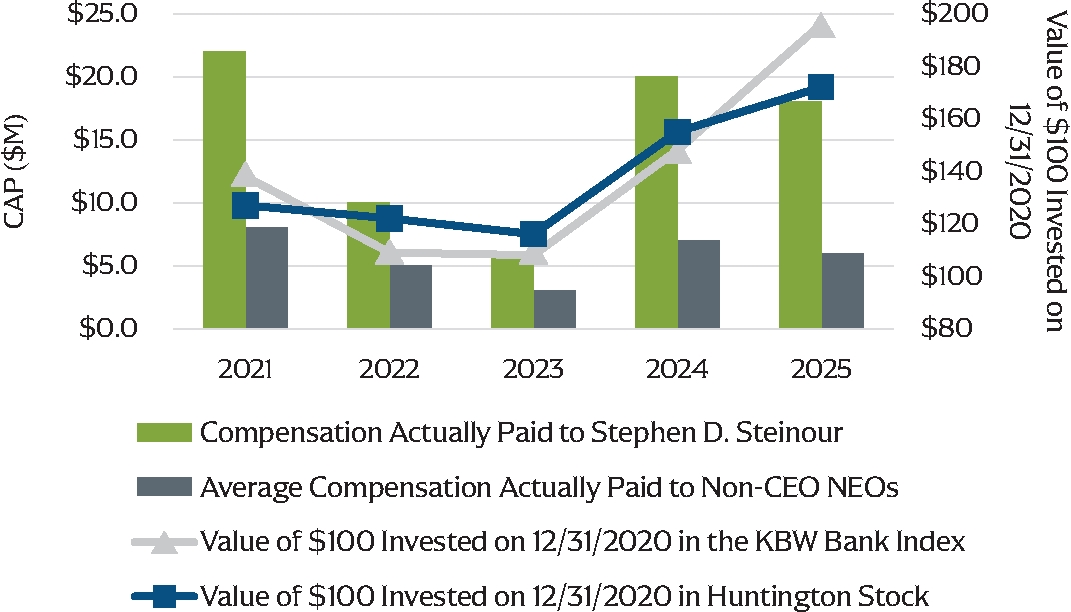
CAP versus Net Income
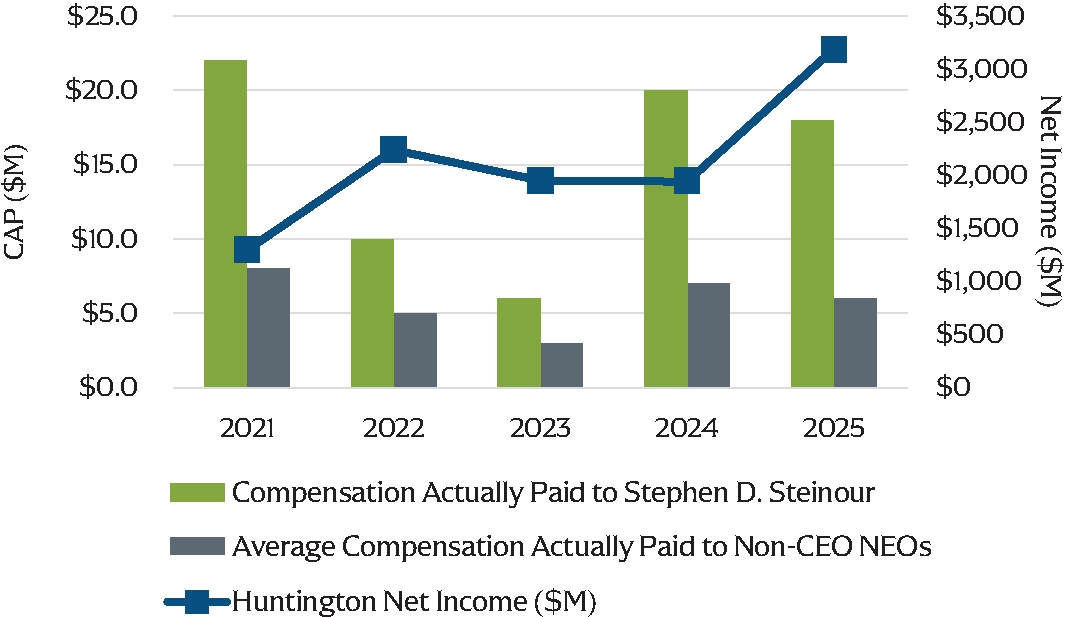
CAP versus Adjusted ROTCE*
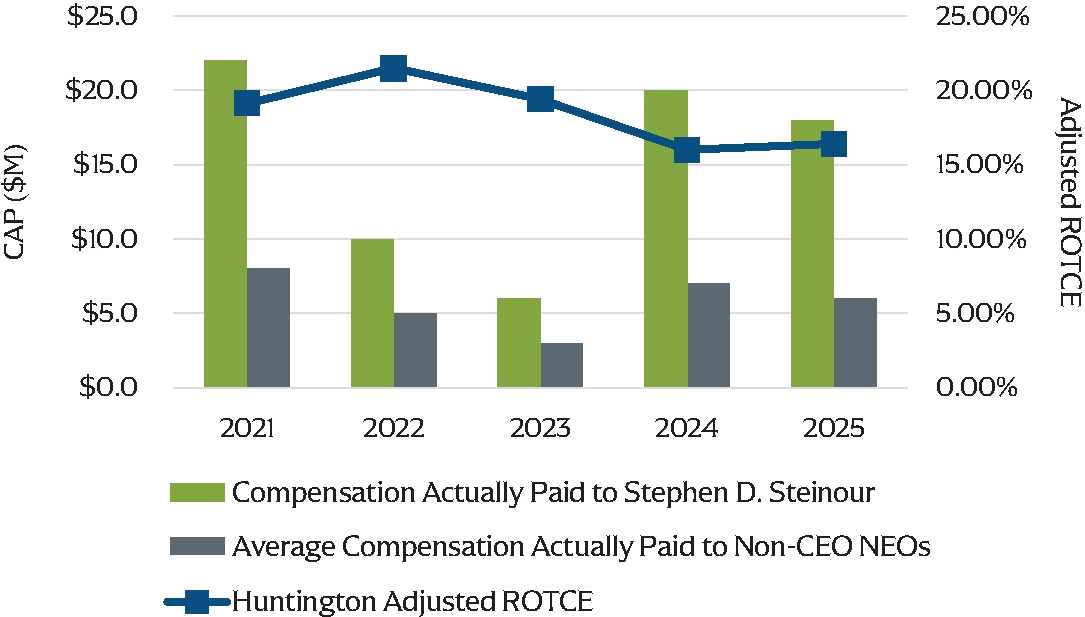
2026 Proxy Statement | 108
Executive Compensation Tables: Pay Ratio Disclosure |
|

Pay Ratio Disclosure
We are providing this disclosure pursuant to a rule adopted by the SEC implementing a mandate of the Dodd-Frank Act. The rule requires disclosure of the annual total compensation of the median employee, excluding the CEO, the annual total compensation of the CEO, and the ratio of these amounts. For purposes of this disclosure, annual total compensation for both the median employee and the CEO is determined in accordance with the definition of annual total compensation as disclosed in the Summary Compensation Table.
In accordance with the rule, we determined a new median employee for 2025 following the departure of last year's median employee who was selected in 2023. The median employee for 2025 was determined from among the Company’s employees (excluding the CEO) using a consistently applied compensation measure. The consistently applied compensation measure was 2025 W-2 Box 1 data as reflected in the Company’s payroll records for each employee (full-time, part-time, seasonal, or temporary, and on long-term leave, but excluding the CEO) employed as of December 31, 2025. The median employee serves as a Branch Manager.
The median employee’s annual total compensation for 2025 was determined for purposes of this disclosure. This ratio is a reasonable estimate calculated in a manner consistent with SEC Regulation S-K Item 402(u).
|
|
|
|
Median Employee Annual Total Compensation |
|
$89,658 |
|
CEO Annual Total Compensation |
|
$12,124,358 |
|
Ratio |
|
135:1 |
|
109 | 2026 Proxy Statement

Audit Matters: Proposal 3: Ratification of the Appointment of the Independent Registered Public Accounting Firm |
|

Pre-Approval Policies and Procedures
The Audit Committee is responsible for the audit fee negotiations associated with the retention of the independent registered public accounting firm. The Audit Committee has a policy that it will pre-approve all audit and non-audit services provided by the independent registered public accounting firm and will not engage the independent registered public accounting firm to perform any specific non-audit services prohibited by law or regulation. The Audit Committee has given general pre-approval for specified audit, audit-related, and tax services. The term of any general pre-approval is 12 months from the date of pre-approval unless the Audit Committee specifically provides for a different term. The Audit Committee will annually review the services for which general pre-approval is given. The Audit Committee may revise the list of general pre-approved services from time to time, based upon subsequent determinations. Unless a type of service to be provided by the independent registered public accounting firm has received general pre-approval, it will require specific pre-approval by the Audit Committee. Pre-approval fee levels for all services to be provided by the independent registered public accounting firm are established annually by the Audit Committee. Any proposed services exceeding these levels will require specific pre-approval by the Audit Committee.
The Audit Committee may delegate pre-approval authority to a member of its Committee; the Audit Committee has delegated pre-approval authority to its Chair. The decisions of the Chair or other member to whom pre-approval authority is delegated must be presented to the full Audit Committee at its next scheduled meeting. The Audit Committee does not delegate its responsibilities to pre-approve services performed by the independent registered public accounting firm to management.
All the services covered by the fees disclosed above were pre-approved by the Audit Committee or its Chair. Further, the Audit Committee has considered and determined that the services described above are compatible with maintaining the independent registered public accounting firm’s independence.
Oversight of the Independent Auditor
The Audit Committee is responsible for the appointment, compensation, retention, and oversight of the independent registered public accounting firm. This also includes an evaluation of whether rotating independent registered public accounting firms is warranted. Additionally, the Audit Committee reviews the experience and qualifications of the lead audit partner and other senior members of the audit team. In its most recent review of PwC, the Audit Committee considered several factors, including:
• The qualifications of the audit team and the quality of work provided by PwC;
• PwC’s independence and objectivity, including a consideration of the non-audit fees and services;
• Appropriateness of PwC’s audit and non-audit fees;
• Assessment of performance of the lead audit partner and audit team;
• Tenure of the auditor; and
• The impact of changing auditors.
After considering the above factors, the Audit Committee has determined that retention of PwC at this time is in the best interests of the Company and its shareholders.
111 | 2026 Proxy Statement
|
Audit Matters: Report of the Audit Committee |
PwC Attendance at the Annual Meeting
Representatives of PwC regularly attend meetings of the Audit Committee and will be present at the 2026 Annual Meeting. These representatives will have an opportunity at the annual meeting to make a statement if they so desire and will also be available to respond to appropriate shareholder questions.
Report of the Audit Committee
The primary responsibility of the Audit Committee, which is comprised entirely of independent Directors, is to oversee the integrity of Huntington’s consolidated financial statements. In carrying out its duties, the Audit Committee has reviewed and discussed the audited consolidated financial statements for the year ended December 31, 2025, with Huntington management and with Huntington’s independent registered public accounting firm, PwC. This discussion included the selection, application, and disclosure of critical accounting policies, as well as the independent registered public accounting firm’s views on fraud risks and how it demonstrates its independence and skepticism. The Audit Committee has also reviewed and discussed with PwC its judgment as to the quality, not just the acceptability, of Huntington’s accounting principles and such other matters required to be discussed under auditing standards generally accepted in the United States, including the applicable requirements of the PCAOB and the SEC.
The Audit Committee has received and reviewed the written disclosures and the letter from PwC required by the applicable requirements of the PCAOB regarding PwC’s communications with the Audit Committee concerning independence and has discussed with PwC its independence from Huntington. Based on this review and discussion, and a review of the services provided by PwC during 2025, the Audit Committee believes that the services provided by PwC in 2025 are compatible with, and do not impair, PwC’s independence.
Based on these reviews and discussions, the Audit Committee recommended to the Board that the audited consolidated financial statements be included in Huntington’s Annual Report on Form 10-K for the year ended December 31, 2025, which was filed with the SEC on February 13, 2026.
Submitted by the Audit Committee
|
|
|
|
|
|
|
|
|
|
Richard W. Neu, Chair |
|
Ann B. (Tanny) Crane |
|
Jeffrey L. Tate |



2026 Proxy Statement | 112
Ownership of Voting Stock |
|
Ownership of Voting Stock
Ownership of Voting Stock |
|
This section provides shareholders with an understanding of the ownership of our Directors, nominees for Director, executive officers, and largest shareholders. We believe that shareholders’ interests are better served when our Directors, nominees for Director, and executive officers hold a meaningful number of shares of the Company. Holding such shares more closely aligns the interests of these individuals with those of our shareholders. |
Security Ownership of Directors and Executive Officers
The table below sets forth the beneficial ownership of Huntington common stock by each of our Directors, nominees for Director, and Named Executive Officers, and the Directors and all executive officers as a group. Beneficial ownership is determined in accordance with the rules of the SEC. Generally, the rules attribute beneficial ownership of securities to persons who possess sole or shared voting power and/or investment power with respect to those securities, including shares that could be acquired within 60 days. Ownership reported is as of February 24, 2026. The table also sets forth additional share interests not reportable as beneficially owned.
|
|
Beneficial Ownership |
|
|
|
|
|
|
|
|
|
|
||||||||||
|
|
|
|
|
|
|
|
|
|
|
|
|
|
|
|
|
|
|
|
|||
Name of Beneficial Owner |
|
Shares of |
|
Percent |
|
Additional |
|
Total |
||||||||||||||
|
|
|
|
|
|
|
|
|
|
|
|
|
|
|
|
|
|
|
|
|||
Ann B. (Tanny) Crane |
|
|
|
140,284 |
|
|
|
|
* |
|
|
|
|
182,629 |
|
|
|
|
|
322,813 |
|
|
Rafael Andres-Diaz Granados |
|
|
|
31,811 |
|
|
|
|
* |
|
|
|
|
35,004 |
|
|
|
|
|
66,814 |
|
|
Virginia A. Hepner |
|
|
|
67,779 |
|
|
|
|
* |
|
|
|
|
— |
|
|
|
|
|
67,779 |
|
|
Helga S. Houston |
|
|
|
1,097,217 |
|
|
|
|
* |
|
|
|
|
388,018 |
|
|
|
|
|
1,485,235 |
|
|
John C. (Chris) Inglis |
|
|
|
69,471 |
|
|
|
|
* |
|
|
|
|
33,598 |
|
|
|
|
|
103,069 |
|
|
Scott D. Kleinman |
|
|
|
470,717 |
|
|
|
|
* |
|
|
|
|
— |
|
|
|
|
|
470,717 |
|
|
Katherine M. A. (Allie) Kline |
|
|
|
4,972 |
|
|
|
|
* |
|
|
|
|
89,542 |
|
|
|
|
|
94,515 |
|
|
Richard W. Neu |
|
|
|
373,018 |
|
|
|
|
* |
|
|
|
|
215,435 |
|
|
|
|
|
588,453 |
|
|
Kenneth J. Phelan |
|
|
|
101,026 |
|
|
|
|
* |
|
|
|
|
95,283 |
|
|
|
|
|
196,308 |
|
|
David L. Porteous |
|
|
|
679,758 |
|
|
|
|
* |
|
|
|
|
199,260 |
|
|
|
|
|
879,018 |
|
|
Alice L. Rodriguez |
|
|
|
7,910 |
|
|
|
|
* |
|
|
|
|
— |
|
|
|
|
|
7,910 |
|
|
James D. (Dan) Rollins III |
|
|
|
1,192,671 |
|
|
|
|
* |
|
|
|
|
— |
|
|
|
|
|
1,192,671 |
|
|
Teresa H. Shea |
|
|
|
10,856 |
|
|
|
|
* |
|
|
|
|
20,454 |
|
|
|
|
|
31,310 |
|
|
Roger J. Sit |
|
|
|
369,047 |
|
|
|
|
* |
|
|
|
|
51,622 |
|
|
|
|
|
420,669 |
|
|
Brant J. Standridge |
|
|
|
127,954 |
|
|
|
|
* |
|
|
|
|
— |
|
|
|
|
|
127,954 |
|
|
Stephen D. Steinour |
|
|
|
7,153,210 |
|
|
|
|
* |
|
|
|
|
3,441,120 |
|
|
|
|
|
10,594,329 |
|
|
Jeffrey L. Tate |
|
|
|
66,598 |
|
|
|
|
* |
|
|
|
|
51,622 |
|
|
|
|
|
118,220 |
|
|
Gary H. Torgow |
|
|
|
949,016 |
|
|
|
|
* |
|
|
|
|
— |
|
|
|
|
|
949,016 |
|
|
Zachary J. Wasserman |
|
|
|
297,710 |
|
|
|
|
* |
|
|
|
|
— |
|
|
|
|
|
297,710 |
|
|
Directors and All Executive Officers as a Group (28 in the group) |
|
|
|
13,586,837 |
|
|
|
|
* |
|
|
|
|
4,803,587 |
|
|
|
|
|
18,390,424 |
|
|
|
|
|
|
|
|
|
|
|
|
|
|
|
|
|
|
|
|
|
|
|||
* Indicates less than 1% of outstanding shares.
1) This column consists of shares for which the Directors and executives, directly or indirectly, have the power to vote or to dispose, or to direct the voting or disposition thereof, and also includes shares for which the person has the right to acquire beneficial ownership within 60 days from February 24, 2026. Except as otherwise noted, none of the named individuals shares with another person either voting or investment power as to the shares reported. None of the shares reported are pledged as security.
113 | 2026 Proxy Statement
|
Ownership of Voting Stock: Security Ownership of Certain Beneficial Owners |

2) Figures for the executive officers include the number of shares of common stock that could have been acquired within 60 days of February 24, 2026, by the exercise of stock options and the vesting of time-based RSUs awarded under our employee and director equity plans as set forth below.
|
|
RSUs |
|
Options |
||||||||
|
|
|
|
|
|
|
|
|
|
|
||
Stephen D. Steinour |
|
|
|
204,136 |
|
|
|
|
|
2,457,291 |
|
|
Zachary J. Wasserman |
|
|
|
79,076 |
|
|
|
|
|
206,584 |
|
|
Brant J. Standridge |
|
|
|
66,272 |
|
|
|
|
|
— |
|
|
Scott D. Kleinman |
|
|
|
70,127 |
|
|
|
|
|
176,071 |
|
|
Helga S. Houston |
|
|
|
65,132 |
|
|
|
|
|
686,086 |
|
|
Directors and Executive Officers as a Group (28 in the group) |
|
|
|
760,621 |
|
|
|
|
|
3,608,538 |
|
|
|
|
|
|
|
|
|
|
|
|
|
||
3) Figures include 70,000 shares, 40,000 shares, 10,137 shares, 27,634 shares, 3,488,929 shares, and 5,675 shares owned by the immediate family members or trusts of Mr. Neu, Mr. Phelan, Mr. Porteous, Mr. Sit, Mr. Steinour, and Mr. Torgow, respectively; 11,076 shares held jointly by Ms. Crane and her spouse; 432,475 shares owned jointly by Mr. Porteous and his spouse; 712,354 shares held indirectly by Mr. Rollins in a limited partnership; and 152,572 shares held indirectly by Mr. Sit through Sit Investment Associates.
4) Figures include the following shares of common stock held as of February 24, 2026, in Huntington’s deferred compensation plans for Directors: 100,727 shares for Ms. Crane, 31,611 shares for Mr. Diaz-Granados, 2,247 shares for Mr. Inglis, 4,972 shares for Ms. Kline, 258,018 shares for Mr. Neu, which were distributed in-kind on February 27, 2026 in accordance with previous deferred compensation plan elections, 61,025 shares for Mr. Phelan, 108,083 shares for Mr. Porteous, 9,856 shares for Ms. Shea, 45,843 shares for Mr. Sit, and 5,109 shares for Mr. Tate. Figures also include the following shares of common stock held as of February 24, 2026, in certain of Huntington’s deferred compensation plans for colleagues, which include the 401(k) Plan, the Huntington Supplemental Plan, and the TCF Supplemental Plan: 19,557 shares for Ms. Houston, 359 shares for Mr. Kleinman, 146,063 shares for Mr. Steinour, and 236,388 shares for all executive officers as a group.
5) Figures in this column for Mr. Steinour and all executive officers as a group are shares held in the EDCP, for which the executive officers have vested ownership interests but do not have the power to vote or dispose of the shares, or the right to acquire such shares within 60 days. Prior to the distribution of shares from this plan to the participants, voting for the shares allocated to the accounts of participants is directed by the Company.
6) Figures in this column for the Directors consist of the vested deferred stock units granted to the Directors. These deferred stock units will be settled in shares of common stock six months following separation from service or one year from the date of grant, whichever is later.
Security Ownership of Certain Beneficial Owners
As of February 24, 2026, we knew of no person who was the beneficial owner of more than 5% of our outstanding shares of common stock, except as follows:
Name and Address of Beneficial Owner |
|
Shares of Common |
|
Percent of Class |
||||||
|
|
|
|
|
|
|
|
|
|
|
The Vanguard Group, Inc.(1) |
|
|
171,788,581 |
|
|
|
|
8.43% |
|
|
BlackRock, Inc.(2) |
|
|
|
158,609,861 |
|
|
|
|
7.79% |
|
|
|
|
|
|
|
|
|
|
|
|
1) This information is based on a Schedule 13-G/A filed by The Vanguard Group, Inc. on February 13, 2024. The Vanguard Group, Inc. has shared voting power for 1,873,274 of the shares, sole dispositive power for 165,354,901 of the shares, and shared dispositive power for 6,433,680 of the shares. These shares were acquired and are held by The Vanguard Group, Inc. in the ordinary course of business.
2) This information is based on an amendment to Schedule 13-G/A filed by BlackRock, Inc. on February 6, 2026. BlackRock, Inc. has sole voting power for 146,951,459 of the shares and sole dispositive power for all the shares. These shares were acquired and are held by BlackRock, Inc. in the ordinary course of business.
2026 Proxy Statement | 114
Ownership of Voting Stock: Stock Ownership Policies |
|
Stock Ownership Policies
Insider Trading
We have
Hedging and Pledging Prohibition
The HRCC has a policy prohibiting hedging and pledging activity in equity securities of Huntington. The policy applies to Huntington’s Directors, executive officers, other members of Huntington’s ELT, and other officers subject to Section 16 of the Exchange Act. The hedging and pledging prohibitions apply with respect to any interests in Huntington securities owned by the covered persons, directly or indirectly, whether granted by Huntington as compensation or otherwise acquired and held. Prohibited hedging activity includes using financial instruments (including, but not limited to, prepaid variable forward contracts, equity swaps, collars, options, and exchange funds) or otherwise engaging in transactions that are designed to, or have the effect of, hedging or offsetting any decrease in the market value of Huntington securities. Huntington equity securities may not be pledged as collateral for a loan or held in a margin account.
115 | 2026 Proxy Statement
|
Ownership of Voting Stock: Delinquent Section 16(a) Reports |

Delinquent Section 16(a) Reports
Section 16(a) of the Exchange Act requires our directors, officers, and persons who own more than 10% of our common stock to file reports of ownership and changes in ownership of our common stock with the SEC. Based on the information available to us during the fiscal year ended December 31, 2025, we believe that all applicable Section 16(a) reports were timely filed, except for:
Late Form 4 filings each reporting one transaction due on January 21, 2025, for Messrs. Diaz-Granados, Neu, Phelan, and Sit and Mses. Cotton, Crane, and Shea, which were filed one day late due to a technical issue that caused the submission of the filings to be recognized after the EDGAR deadline on the due date.
Late Form 4 filings each reporting one transaction due on March 7, 2025, for Messrs. Dhingra, Kleinman, Kowalski, Lawlor, Nateri, Steinour, and Wasserman and Mses. Houston and Maloney, which were filed one day late due to the Company's administrative error.
Late Form 4 filing reporting two transactions due on July 6, 2025, for Mr. Kleinman was filed one day late due to an administrative issue.
2026 Proxy Statement | 116
General Information on Voting and the Annual Meeting |
|

General Information on Voting and the Annual Meeting
General Information on Voting and the Annual Meeting |
|
This section provides shareholders with information on how to participate in and vote at the 2026 Annual Meeting, as well as on other topics. We are providing this Proxy Statement in connection with the solicitation by the Board of Huntington Bancshares Incorporated, a Maryland corporation, of proxies to be exercised at our 2026 Annual Meeting of Shareholders to be held on April 22, 2026, and at any postponement or adjournment. We are sending or making this Proxy Statement available to our shareholders on or about March 12, 2026. |
General Information About the Meeting
Voting Procedures
Holders of common stock at the close of business on the Record Date are entitled to vote at the Annual Meeting. As of that date, there were 2,037,119,660 shares of common stock outstanding and entitled to vote. Holders of any series of our preferred stock are not entitled to vote.
Each holder of common stock is entitled to cast one vote (i) for each Director nominee and (ii) on each other matter submitted at the Annual Meeting, and any postponements or adjournments thereof, for each share of common stock held of record at the close of business on the Record Date. The shares represented by a properly executed and submitted proxy will be voted as directed, provided we receive the proxy prior to or at the meeting. A properly executed proxy without specific voting instructions will be voted FOR each nominee listed under Proposal 1 — Election of Directors, FOR Proposal 2 — Advisory Approval of Executive Compensation, and FOR Proposal 3 — Ratification of the Appointment of Independent Registered Public Accounting Firm. A properly executed and submitted proxy will also confer discretionary authority to vote on any other matter that may properly come before the meeting or any postponements or adjournments of the meeting and to otherwise represent the shareholder at the annual meeting with all powers he, she, or it would possess if personally present at the meeting.
We are not currently aware of any matters that may properly be presented other than those described in this Proxy Statement. If any matters not described in the Proxy Statement are properly presented at the meeting, the proxies may vote in their discretion on such matters. If the meeting is adjourned, the proxies can vote your shares of common stock at the adjournment as well, unless you have revoked your proxy instructions.
You may vote by executing and returning your proxy card in the envelope provided, or by voting electronically over the internet or by telephone. Please refer to the proxy card for information on voting electronically. If you plan to attend the virtual meeting, while we encourage you to vote in advance of the meeting, you may vote during the virtual meeting at meetnow.global/MC9UU7K.
Shareholders who hold their shares in street name should refer to the voting instructions provided by their Broker.
We encourage shareholders to authorize a proxy to vote their shares over the internet or by telephone. Shareholders should also consider enrolling in electronic delivery of proxy materials. In addition to reducing our expenses, these actions help us reduce our paper usage and emissions from transportation.
If you are a colleague of Huntington or its affiliated entities and are receiving this Proxy Statement as a result of your participation in the 401(k) Plan, you must provide voting instructions to the plan trustee. A proxy and instruction card have been provided so that you may instruct the trustees how to vote your shares held under these plans.
117 | 2026 Proxy Statement
|
General Information on Voting and the Annual Meeting: General Information About the Meeting |

Revoking Your Proxy
If your shares of common stock are held in street name, you must follow the instructions of your Broker to revoke your voting instructions. If you are a holder of record and wish to revoke your proxy instructions, you must advise our Secretary in writing before the proxies vote your shares of common stock at the meeting; deliver later dated proxy instructions that are received prior to the meeting; or attend and vote your shares at the meeting. Attendance at the meeting, by itself, will not cause your prior proxy instructions to be revoked. Attendance at the meeting, by itself, will not cause your prior proxy instructions to be revoked.
Expenses of Solicitation
We will pay the expenses of this proxy solicitation, including the reasonable charges and expenses of Brokers for forwarding solicitation material to their customers who are beneficial owners. In addition to soliciting proxies by mail and via the internet, Huntington colleagues, without additional compensation, may also solicit proxies by telephone, email, facsimile, letter, or in person. We have retained Sodali & Co, 333 Ludlow Street, 5th Floor, South Tower, Stamford, CT 06902, to assist in the solicitation of proxies for a fee of $10,500 plus reimbursement of expenses.
Vote Required and Broker Voting
A quorum is required to conduct business at the annual meeting. Shareholders entitled to cast a majority of all the votes entitled to be cast at the annual meeting, present in person or by proxy, will constitute a quorum. The following table provides the vote requirement for each of this year’s proposals:
Proposal |
|
Voting Options |
|
Effect of Abstentions and |
|
Vote Required for Approval |
|
|
|
|
|
|
|
Proposal 1: Election of Directors |
|
FOR, AGAINST, or ABSTAIN for each Director nominee |
|
Abstentions and Broker non-votes have no effect |
|
The number of votes cast “for” each nominee’s election must exceed the total number of votes cast “against” such nominee’s election.* |
|
|
|
|
|
|
|
Proposal 2: Advisory Approval of Executive Compensation |
|
FOR, AGAINST, or ABSTAIN |
|
Abstentions and Broker non-votes have no effect |
|
A majority of all votes cast must be “for” this proposal. |
|
|
|
|
|
|
|
Proposal 3: Ratification of the Appointment of Independent Registered Public Accounting Firm |
|
FOR, AGAINST, or ABSTAIN |
|
Abstentions have no effect |
|
A majority of all votes cast must be “for” this proposal. |
* The vote of a majority of the total of votes cast for and against a nominee at a meeting at which a quorum is present is necessary for the election of a Director. Provided, however, that if, on either the date of the Company’s Proxy Statement for the meeting or on the date of the meeting, the number of nominees exceeds the number of Directors to be elected, the Directors shall be elected by a plurality of all the votes cast at the meeting. In the event of plurality voting, shareholders would be given the option to vote “for” or affirmatively withhold votes from nominees. In such case, the Director nominees receiving the highest number of affirmative “for” votes will be elected Directors and “withhold” votes will have no effect.
Under the laws of Maryland, our state of incorporation, abstentions and Broker non-votes are counted for purposes of determining the presence or absence of a quorum but are not counted as votes cast at the meeting. Broker non-votes occur when Brokers, who hold their customers’ shares in street name, submit proxies for such shares on some matters, but not others. Generally, this would occur when Brokers have not received any instructions from their customers. In these cases, the Brokers, as the holders of record, are permitted to vote on “routine” matters, which typically include the ratification of the independent registered public accounting firm, but not on non-routine matters. Brokers are not permitted to vote on the election of Directors or matters related to executive compensation without instructions from their customers. Broker non-votes and abstentions will have no effect on the election of any Director or the advisory approval of executive compensation because they are not counted as votes cast at the meeting.
Attending the Virtual Annual Meeting
You may access the annual meeting live via the internet at meetnow.global/MC9UU7K at the meeting date and time, where Huntington shareholders as of the Record Date will be able to listen to the meeting, submit questions, and vote online.
You are entitled to attend the annual meeting via the meeting website if you were a shareholder of record at the close of business on the Record Date; you held your shares beneficially in the name of a Broker as of the Record Date; or you hold a valid proxy for the annual meeting. If you were a shareholder of record at the close of business on the Record Date, you will be able to attend the annual meeting online, submit a question, and vote by visiting the annual meeting website and following the instructions on your proxy card, along with the procedures set forth below.
We expect that the vast majority of beneficial holders will be able to fully participate at our annual meeting, including the ability to submit questions and/or vote at the meeting, using the control number received with their voting instruction form or proxy card. Please note, however, that there is no guarantee this option will be available for every type of beneficial holder voting control number, and we encourage you to follow the procedures described below to ensure access to the meeting. The inability to provide this option to any or all beneficial holders shall in no way impact the validity of the annual meeting.
2026 Proxy Statement | 118
General Information on Voting and the Annual Meeting: General Information About the Meeting |
|

Beneficial holders who wish to submit questions and/or vote at the annual meeting are encouraged to visit the meeting website as soon as possible to determine whether the control number on their voting instruction form or proxy card will permit access. If your control number does not permit access or you prefer to register in advance of the annual meeting, you must obtain a signed legal proxy from your Broker giving you the right to vote the shares and submit proof of such legal proxy along with your name and email address to legalproxy@computershare.com or Computershare, Huntington Legal Proxy, P.O. Box 43078, Providence, RI 029040-3078, no later than April 17, 2026, at 5:00 p.m., Eastern Time. You will receive a confirmation of your registration by email with instructions for accessing the Huntington annual meeting website. Obtaining a legal proxy may take several days.
Guests will also be permitted to attend the virtual annual meeting, but are not permitted to submit questions or vote. Technical assistance will be available for shareholders who experience an issue accessing the annual meeting. Contact information for technical support will appear on the annual meeting website prior to the start of the annual meeting.
Shareholders of Record
A holder of common stock may vote by proxy or at the annual meeting. If you hold your shares of common stock in your name as a holder of record, you may use one of the following methods to submit a proxy:
• By telephone: by calling the toll-free number indicated on the accompanying proxy card and following the recorded instructions.
• Through the internet: by visiting the website indicated on the accompanying proxy card and following the instructions.
• By completing and returning the accompanying proxy card in the enclosed postage-paid envelope: the envelope requires no additional postage if mailed within the United States. If you intend to submit your proxy by mail, your completed proxy card must be received prior to the annual meeting.
We request that you authorize your proxy to vote as soon as possible so that we can be assured of a quorum.
Shares Held in Street Name
If your shares are held in street name through a Broker, you must instruct the Broker on how to vote your shares. Shareholders should refer to the voting instructions provided by their Broker to direct the voting of their shares in advance of the meeting. You may not vote your shares held in a brokerage or other account in street name by returning a proxy card directly to Huntington. Shareholders holding shares through a Broker who wish to vote at the annual meeting should also review the procedure previously set forth.
Submitting Questions for the Annual Meeting
Shareholders as of the Record Date may submit questions in advance of the meeting by visiting meetnow.global/MC9UU7K. Questions may also be submitted during the annual meeting via the annual meeting website. To ensure the annual meeting is conducted in a manner that is fair to all shareholders, we may exercise discretion in determining the number of questions each shareholder may submit, the order in which questions are answered, and the amount of time devoted to any one question.
We intend to answer questions pertinent to Company matters as time allows during the meeting. Questions that are substantially similar may be grouped and answered once to avoid repetition. Shareholder questions related to personal or customer matters; that are not pertinent to annual meeting matters; or that contain derogatory references to individuals, use offensive language, or are otherwise out of order or not suitable for the conduct of the annual meeting will not be addressed during the meeting.
119 | 2026 Proxy Statement
|
General Information on Voting and the Annual Meeting: Proposal by Shareholders for the 2027 Annual Meeting |
Proposals by Shareholders for the 2027 Annual Meeting
Shareholders wishing to submit a proposal, including nominations for directorship or items of business as part of next year’s annual meeting, should review the following table, which summarizes the process. The following table is qualified in its entirety by reference to SEC Rules 14a-8 and 14a-19 and our Bylaws.
|
|
Proposals Submitted for Inclusion in our 2027 Proxy Statement (i.e., SEC Rule 14a-8) |
|
Nominees and Other Proposals Outside SEC Rule 14a-8 to be Presented at the 2027 Annual Meeting (i.e., advance notice) |
|
Type of Proposal |
|
SEC rules permit shareholders to submit proposals to us for inclusion in our proxy statement by satisfying the requirements set forth in SEC Rule 14a-8. |
|
Pursuant to the Company’s Bylaws, shareholders may present nominees or proposals directly at the annual meeting (and not for inclusion in the Company’s proxy statement) by satisfying the requirements set forth in our Bylaws. |
|
When We Must Receive the Proposal* |
|
Under SEC Rule 14a-8, the proposal typically must be received not less than 120 calendar days before the first anniversary of the date of the proxy statement released to shareholders for the prior year’s annual meeting. This means, for the 2027 Annual Meeting, no later than the close of business on November 12, 2026. |
|
Pursuant to the Company’s Bylaws, nominations and other proposals outside SEC Rule 14a-8 typically must be received no earlier than the 150th day nor later than 5:00 p.m., Eastern Time, on the 120th day prior to the first anniversary of the date of the proxy statement for the prior year’s annual meeting. This means, for the 2027 Annual Meeting, such notice must be received between October 13, 2026, and November 12, 2026. |
|
What to Include in the Proposal |
|
The information necessary to be in compliance with SEC Rule 14a-8; however, submission of a proposal does not guarantee inclusion within our proxy statement. |
|
The information set forth in the Company’s Bylaws. In addition to complying with the advance notice provisions of our Bylaws, shareholders who intend to solicit proxies in support of director nominees, other than the Company’s nominees, must also comply with the additional requirements of SEC Rule 14a-19. SEC Rule 14a-19 requires, among other things, that a shareholder provide notice that includes certain information, which notice must be received by the Company’s Secretary no later than February 22, 2027, which is 60 calendar days prior to the anniversary of this year’s meeting date. Among other things, Rule 14a-19 and the Company's Bylaws require the shareholder to provide a statement that he, she, or it intends to solicit the holders of shares representing at least 67% of the voting power of the Company’s shares entitled to vote on the election of Directors in support of Director nominees other than the Company’s nominees. |
|
Where to Send the Proposal |
|
Huntington Bancshares Incorporated |
|||
* Should the 2027 Annual Meeting be advanced or delayed more than 30 days from the first anniversary of the date of the 2026 Annual Meeting, then alternate deadlines apply.
Recommendations for Directorship
Shareholders and other parties may also recommend candidates for directorship to be considered by the NCG Committee at any time outside our Bylaws. To do so, a written notice should be sent to the Secretary at Huntington Bancshares Incorporated, Huntington Center, 41 South High Street, Columbus, Ohio 43287. The notice should indicate the name, age, and address of the person recommended; the person’s principal occupation or employment for the last five years; other public company boards on which the person serves; whether the person would qualify as independent as the term is defined under the Nasdaq Rules; and the class and number of shares of Huntington securities owned by the person. The NCG Committee may require additional information to determine the qualifications of the person recommended. The notice should also state the name and address of, and the class and number of shares of Huntington securities owned by, the person or persons making the recommendation. Any such shareholder recommendation would be considered no differently than recommendations from any other source. There have been no material changes to the shareholder recommendation process since we last disclosed this item.
2026 Proxy Statement | 120
General Information on Voting and the Annual Meeting: Other Matters |
|
Other Matters
Inspector of Election
We have engaged Computershare to count the shares represented by proxies and cast at the meeting online ballot and to act as Inspector of Election. A representative from Computershare will be present at the meeting.
Other Business
As of the date of this Proxy Statement, we know of no other business that may properly be brought before the meeting, or any postponements or adjournments thereof, other than procedural matters relating to the proposals described in the Notice of Annual Meeting and this Proxy Statement. Should any other matter requiring a vote of the shareholders arise, a properly submitted proxy confers upon the person or persons designated to vote the shares discretionary authority to vote the same with respect to any such other matter in the discretion of such persons and otherwise to represent the shareholder at the meeting with all powers he, she, or it would possess if personally present at the meeting.
Other Documents Available
Huntington’s 2025 Annual Report was furnished to shareholders concurrently with this Proxy Statement. Huntington’s Form 10-K for 2025 will be furnished, without charge, to Huntington shareholders upon written request to Investor Relations, Huntington Bancshares Incorporated, Huntington Center, 41 South High Street, Columbus, Ohio 43287. In addition, Huntington’s Form 10-K for 2025 and certain other reports filed with the SEC can be found on the Investor Relations pages of Huntington’s website at ir.huntington.com.
Householding
The SEC has adopted “householding” rules that permit companies and intermediaries, such as Brokers, to satisfy delivery requirements for proxy statements, notices of internet availability of proxy materials, and annual reports (collectively, “annual meeting materials”) with respect to two or more shareholders sharing the same address by delivering one copy of annual meeting materials to these shareholders. Unless we have received contrary instructions, we will deliver only one copy of the annual meeting materials to multiple security holders sharing an address.
If we sent only one set of these documents to your household and one or more of you would prefer to receive your own set, we will promptly deliver additional copies of the annual meeting materials upon request. You may contact our transfer agent, Computershare, to receive additional copies of the annual meeting materials. You may also contact Computershare if you would like to request separate copies of future annual meeting materials or if you are receiving multiple copies of annual meeting materials and you would like to request delivery of just one copy.
You may contact Computershare by telephone at 1-800-725-0674 or by mail at Computershare, P.O. Box 43078, Providence, RI 02940-3078. If you hold your shares in street name, please contact your Broker to request information about householding.
Service Mark, Trademark, and Copyright Information
The Huntington National Bank is Member FDIC. Huntington, Huntington Bank, and the Huntington Brandmark are service marks of Huntington Bancshares Incorporated. Third-party product, service, and business names are trademarks and/or service marks of their respective owners.
© 2026 Huntington Bancshares Incorporated.
121 | 2026 Proxy Statement
|
Appendix A: Non-GAAP Reconcilation |
Appendix A: Non-GAAP Reconciliation
Appendix A: |
|
This section includes reconciliations for the non-GAAP numbers provided within this Proxy Statement. |
We believe certain non-GAAP financial measures are helpful in understanding our results of operations. In addition, certain adjustments are made to GAAP financial measures, including adjusted earnings per share, adjusted operating leverage, and adjusted pretax pre-provision earnings, which are utilized by the HRCC that reflect adjustments approved by the HRCC. The tables below provide a reconciliation to the closest GAAP financial measure for the year ended December 31, 2025. [Note that some amounts may not add due to rounding.]
Adjusted EPS
($ in millions except per share amounts, share count in thousands) |
|
Dollar Amount |
|
|
Weighted Avg Diluted Common Shares |
|
|
|
EPS |
|
||||
|
|
|
|
|
|
|
|
|
|
|
|
|||
Net income applicable to Common Shares |
|
$ |
|
2,087 |
|
|
|
1,504,836 |
|
|
$ |
|
1.39 |
|
Acquisition-related adjustments: |
|
|
|
|
|
|
|
|
|
|
|
|||
Veritex-related direct revenues, net of direct expenses |
|
|
|
(30 |
) |
|
|
|
|
|
|
|
||
Acquisition-related expenses |
|
|
|
168 |
|
|
|
|
|
|
|
|
||
Impact of shares issued for Veritex |
|
|
|
|
|
|
(20,796 |
) |
|
|
|
|
||
Adjusted Net Income applicable to Common Shares (excluding impact of acquisitions) |
|
$ |
|
2,225 |
|
|
|
1,484,040 |
|
|
$ |
|
1.50 |
|
Other Adjustments: |
|
|
|
|
|
|
|
|
|
|
|
|||
Org. Transformation/Severance Related Expenses and CRE Consolidation |
|
|
|
6 |
|
|
|
|
|
|
|
|
||
FDIC Special Assessment expense |
|
|
|
(30 |
) |
|
|
|
|
|
|
|
||
Securities Repositioning, net of net interest income benefit |
|
|
|
43 |
|
|
|
|
|
|
|
|
||
Gain from business divesture, net of expense reduction impact |
|
|
|
(13 |
) |
|
|
|
|
|
|
|
||
Net MSR hedging gain |
|
|
|
(2 |
) |
|
|
|
|
|
|
|
||
Tax impact of other adjustments |
|
|
|
(1 |
) |
|
|
|
|
|
|
|
||
Adjusted Net Income applicable to Common Shares |
|
$ |
|
2,228 |
|
|
|
1,484,040 |
|
|
$ |
|
1.50 |
|
|
|
|
|
|
|
|
|
|
|
|
|
|||
2026 Proxy Statement | 122
Appendix A: Non-GAAP Reconcilation: Adjusted Operating Leverage |
|
Adjusted Operating Leverage
($ in millions) |
|
2025 |
|
|
|
2024 |
|
|
|
Y/Y Change |
|||||||||||||
|
|
|
|
|
|
|
|
|
|
|
|
|
|
|
|
|
|
|
|
||||
Net Interest income |
|
$ |
|
5,991 |
|
|
|
$ |
|
5,345 |
|
|
|
|
|
|
|
|
|
|
|
||
Noninterest Income |
|
|
|
2,175 |
|
|
|
|
|
2,040 |
|
|
|
|
|
|
|
|
|
|
|
||
Total revenue (GAAP) |
|
|
|
8,166 |
|
|
|
|
|
7,385 |
|
|
|
|
|
|
|
|
|
|
|
||
FTE Adjustment |
|
|
|
65 |
|
|
|
|
|
53 |
|
|
|
|
|
|
|
|
|
|
|
||
Total revenue (FTE) |
|
|
|
8,231 |
|
|
|
|
|
7,438 |
|
|
|
$ |
|
793 |
|
|
|
|
10.66 |
|
% |
Less: Veritex-related net interest income and noninterest income |
|
|
|
84 |
|
|
|
|
|
— |
|
|
|
|
|
|
|
|
|
|
|
||
Less: Securities repositioning, net of net interest income benefit |
|
|
|
(43 |
) |
|
|
|
|
(21 |
) |
|
|
|
|
|
|
|
|
|
|
||
Less: gain from divesture, net of expense reduction impact |
|
|
|
13 |
|
|
|
|
|
4 |
|
|
|
|
|
|
|
|
|
|
|
||
Less: net MSR hedging gain |
|
|
|
2 |
|
|
|
|
|
— |
|
|
|
|
|
|
|
|
|
|
|
||
Adjusted total revenue |
|
$ |
|
8,175 |
|
|
|
|
|
7,455 |
|
|
|
$ |
|
720 |
|
|
|
|
9.66 |
|
% |
Noninterest expense |
|
$ |
|
5,015 |
|
|
|
|
|
4,562 |
|
|
|
$ |
|
453 |
|
|
|
|
9.93 |
|
% |
Less: Acquisition and Veritex direct expenses |
|
|
|
212 |
|
|
|
|
|
— |
|
|
|
|
|
|
|
|
|
|
|
||
Less: Org. Transformation/Severance Related Expenses and CRE Consolidation |
|
|
|
6 |
|
|
|
|
|
18 |
|
|
|
|
|
|
|
|
|
|
|
||
Less: FDIC Special Assessment |
|
|
|
(30 |
) |
|
|
|
|
28 |
|
|
|
|
|
|
|
|
|
|
|
||
Less: Impact of Discretionary Bonus |
|
|
|
13 |
|
|
|
|
|
9 |
|
|
|
|
|
|
|
|
|
|
|
||
Adjusted noninterest expense |
|
$ |
|
4,814 |
|
|
|
$ |
|
4,507 |
|
|
|
$ |
|
307 |
|
|
|
|
6.81 |
|
% |
|
|
|
|
|
|
|
|
|
|
|
|
|
|
|
|
|
|
|
|
||||
Total revenue (FTE) growth rate |
|
|
|
|
|
|
|
|
|
|
|
|
|
|
|
|
|
10.66 |
|
% |
|||
Noninterest expense growth rate |
|
|
|
|
|
|
|
|
|
|
|
|
|
|
|
|
|
9.93 |
|
|
|||
Operating leverage |
|
|
|
|
|
|
|
|
|
|
|
|
|
|
|
|
|
0.73 |
|
% |
|||
|
|
|
|
|
|
|
|
|
|
|
|
|
|
|
|
|
|
|
|
||||
Adjusted total revenue growth rate |
|
|
|
|
|
|
|
|
|
|
|
|
|
|
|
|
|
9.66 |
|
% |
|||
Adjusted noninterest expense growth rate |
|
|
|
|
|
|
|
|
|
|
|
|
|
|
|
|
|
6.81 |
|
|
|||
Adjusted operating leverage |
|
|
|
|
|
|
|
|
|
|
|
|
|
|
|
|
|
2.85 |
|
% |
|||
|
|
|
|
|
|
|
|
|
|
|
|
|
|
|
|
|
|
|
|
||||
123 | 2026 Proxy Statement
|
Appendix A: Adjusted ROTCE and Adjusted PPNR |

Adjusted ROTCE
($ in millions) |
|
2025 |
|
|
|
2024 |
|
|
|
2023 |
|
|
|
2022 |
|
|
|
2021 |
|
|
||||||||||
|
|
|
|
|
|
|
|
|
|
|
|
|
|
|
|
|
|
|
|
|
|
|
|
|
|
|||||
Average common shareholders’ equity |
|
$ |
|
19,241 |
|
|
|
$ |
|
17,347 |
|
|
|
$ |
|
16,217 |
|
|
|
$ |
|
16,096 |
|
|
|
$ |
|
14,569 |
|
|
Less: intangible assets and goodwill |
|
|
|
5,740 |
|
|
|
|
|
5,680 |
|
|
|
|
|
5,731 |
|
|
|
|
|
5,688 |
|
|
|
|
|
4,108 |
|
|
Add: Net of tax effect of intangible assets |
|
|
|
19 |
|
|
|
|
|
26 |
|
|
|
|
|
35 |
|
|
|
|
|
47 |
|
|
|
|
|
48 |
|
|
Average tangible common shareholders’ equity (A) |
|
|
|
13,520 |
|
|
|
|
|
11,693 |
|
|
|
|
|
10,521 |
|
|
|
|
|
10,455 |
|
|
|
|
|
10,509 |
|
|
Net income available to common |
|
|
|
2,087 |
|
|
|
|
|
1,801 |
|
|
|
|
|
1,817 |
|
|
|
|
|
2,125 |
|
|
|
|
|
1,153 |
|
|
Add: amortization of intangibles |
|
|
|
46 |
|
|
|
|
|
47 |
|
|
|
|
|
50 |
|
|
|
|
|
54 |
|
|
|
|
|
48 |
|
|
Add: deferred tax |
|
|
|
(10 |
) |
|
|
|
|
(10 |
) |
|
|
|
|
(10 |
) |
|
|
|
|
(12 |
) |
|
|
|
|
(10 |
) |
|
Adjusted net income available to common (B) |
|
$ |
|
2,123 |
|
|
|
$ |
|
1,838 |
|
|
|
$ |
|
1,857 |
|
|
|
$ |
|
2,167 |
|
|
|
$ |
|
1,191 |
|
|
Return on average tangible common shareholders’ equity (B/A) |
|
|
|
15.7 |
|
% |
|
|
|
15.7 |
|
% |
|
|
|
17.6 |
|
% |
|
|
|
20.7 |
|
% |
|
|
|
11.3 |
|
% |
|
|
|
|
|
|
|
|
|
|
|
|
|
|
|
|
|
|
|
|
|
|
|
|
|
|
|||||
($ in millions) |
|
|
2025 |
|
|
|
|
2024 |
|
|
|
|
2023 |
|
|
|
|
2022 |
|
|
|
|
2021 |
|
|
|||||
|
|
|
|
|
|
|
|
|
|
|
|
|
|
|
|
|
|
|
|
|
|
|
|
|
|
|||||
Adjusted net income available to common (B) |
|
$ |
|
2,123 |
|
|
|
$ |
|
1,838 |
|
|
|
$ |
|
1,857 |
|
|
|
$ |
|
2,167 |
|
|
|
$ |
|
1,191 |
|
|
Return on average tangible common shareholders’ equity (B/A) |
|
|
|
15.7 |
|
% |
|
|
|
15.7 |
|
% |
|
|
|
17.6 |
|
% |
|
|
|
20.7 |
|
% |
|
|
|
11.3 |
|
% |
Add: Notable items, after tax |
|
$ |
|
91 |
|
|
|
$ |
|
38 |
|
|
|
$ |
|
181 |
|
|
|
$ |
|
76 |
|
|
|
$ |
|
813 |
|
|
Adjusted net income available to common (C) |
|
|
|
2,214 |
|
|
|
|
|
1,876 |
|
|
|
|
|
2,038 |
|
|
|
|
|
2,243 |
|
|
|
|
|
2,004 |
|
|
Adjusted return on average tangible common shareholders’ equity (C/A) |
|
|
|
16.4 |
|
% |
|
|
|
16.0 |
|
% |
|
|
|
19.4 |
|
% |
|
|
|
21.5 |
|
% |
|
|
|
19.1 |
|
% |
|
|
|
|
|
|
|
|
|
|
|
|
|
|
|
|
|
|
|
|
|
|
|
|
|
|
|||||
Adjusted Pre-Provision Net Revenue (PPNR)
($ in millions) |
|
2025 |
|
|
|
2024 |
|
|
Y/Y Change |
|||||||||
|
|
|
|
|
|
|
|
|
|
|
|
|
|
|
|
|||
Total revenue (GAAP) |
|
$ |
|
8,166 |
|
|
|
$ |
|
7,385 |
|
|
|
|
|
|
|
|
FTE adjustment |
|
|
|
65 |
|
|
|
|
|
53 |
|
|
|
|
|
|
|
|
Total revenue (FTE) (A) |
|
|
|
8,231 |
|
|
|
|
|
7,438 |
|
|
|
|
|
|
|
|
Less: Veritex-related net interest income and noninterest income |
|
|
|
84 |
|
|
|
|
|
— |
|
|
|
|
|
|
|
|
Less: Securities repositioning, net of net interest income benefit |
|
|
|
(43 |
) |
|
|
|
|
(21 |
) |
|
|
|
|
|
|
|
Less: gain from divesture, net of expense reduction impact |
|
|
|
13 |
|
|
|
|
|
4 |
|
|
|
|
|
|
|
|
Less: net MSR hedging gain |
|
|
|
2 |
|
|
|
|
|
— |
|
|
|
|
|
|
|
|
Adjusted total revenue (B) |
|
$ |
|
8,175 |
|
|
|
$ |
|
7,455 |
|
|
|
|
|
|
|
|
Noninterest expense (C) |
|
|
|
5,015 |
|
|
|
|
|
4,562 |
|
|
|
|
|
|
|
|
Less: Acquisition and Veritex direct expenses |
|
|
|
212 |
|
|
|
|
|
— |
|
|
|
|
|
|
|
|
Less: Org. Transformation/Severance Related Expenses and CRE Consolidation |
|
|
|
6 |
|
|
|
|
|
18 |
|
|
|
|
|
|
|
|
Less: FDIC Special Assessment |
|
|
|
(30 |
) |
|
|
|
|
28 |
|
|
|
|
|
|
|
|
Less: Impact of Discretionary Bonus |
|
|
|
13 |
|
|
|
|
|
9 |
|
|
|
|
|
|
|
|
Adjusted noninterest expense (D) |
|
$ |
|
4,814 |
|
|
|
$ |
|
4,507 |
|
|
|
|
|
|
|
|
|
|
|
|
|
|
|
|
|
|
|
|
|
|
|
|
|||
PPNR (A-C) |
|
$ |
|
3,216 |
|
|
|
$ |
|
2,876 |
|
|
|
|
|
11.8 |
|
% |
Adjusted PPNR (B-D) |
|
$ |
|
3,361 |
|
|
|
$ |
|
2,948 |
|
|
|
|
|
14.0 |
|
% |
|
|
|
|
|
|
|
|
|
|
|
|
|
|
|
|
|||
2026 Proxy Statement | 124
Appendix A: Tangible Book Value and Adjusted Common Equity Tier 1 |
|
Tangible Book Value (TBV)
($ in millions, shares in thousands) |
|
2025 |
|
|
|
2024 |
|
|
Y/Y Change |
|||||||||
|
|
|
|
|
|
|
|
|
|
|
|
|
|
|
|
|||
Huntington shareholders' equity |
|
$ |
|
24,342 |
|
|
|
$ |
|
19,740 |
|
|
|
|
|
|
|
|
Less: preferred stock |
|
|
|
2,731 |
|
|
|
|
|
1,989 |
|
|
|
|
|
|
|
|
Common shareholders' equity |
|
|
|
21,611 |
|
|
|
|
|
17,751 |
|
|
|
|
|
|
|
|
Less: goodwill |
|
|
|
5,997 |
|
|
|
|
|
5,561 |
|
|
|
|
|
|
|
|
Less: other intangible assets, net of tax |
|
|
|
115 |
|
|
|
|
|
76 |
|
|
|
|
|
|
|
|
Tangible common equity (A) |
|
$ |
|
15,499 |
|
|
|
$ |
|
12,114 |
|
|
|
|
|
|
|
|
Common shares outstanding (B) |
|
|
|
1,567,733 |
|
|
|
|
|
1,453,636 |
|
|
|
|
|
|
|
|
Tangible book value per share (A/B) |
|
|
|
9.89 |
|
% |
|
|
|
8.33 |
|
% |
|
|
|
18.7 |
|
% |
|
|
|
|
|
|
|
|
|
|
|
|
|
|
|
|
|||
Adjusted Common Equity Tier 1 (CET 1)
($ in millions) |
|
2025 |
|
|
|
2024 |
|
|
||||
|
|
|
|
|
|
|
|
|
|
|
||
Common Equity Tier 1 (A) |
|
$ |
|
17,286 |
|
|
|
$ |
|
15,115 |
|
|
Add: accumulated other comprehensive income (AOCI) |
|
|
|
(1,904 |
) |
|
|
|
|
(2,866 |
) |
|
Less: cash flow hedge |
|
|
|
27 |
|
|
|
|
|
(267 |
) |
|
Adjusted Common Equity Tier 1 (B) |
|
$ |
|
15,355 |
|
|
|
$ |
|
12,516 |
|
|
Risk Weighted Assets (C) |
|
$ |
|
166,684 |
|
|
|
$ |
|
143,650 |
|
|
Common Equity Tier 1 ratio (A/C) |
|
|
|
10.4 |
|
% |
|
|
|
10.5 |
|
% |
Adjusted Common Equity Tier 1 ratio (B/C) |
|
|
|
9.2 |
|
% |
|
|
|
8.7 |
|
% |
|
|
|
|
|
|
|
|
|
|
|
||
125 | 2026 Proxy Statement
|
Appendix A: Glossary |
Glossary
Acronym/Term |
|
Definition |
401(k) Plan |
|
Huntington 401(k) Plan |
ACL |
|
Allowance for Credit Losses |
AI |
|
Artificial Intelligence |
ADB |
|
Average Daily Balance |
AOCI |
|
Accumulated Other Comprehensive Income (Loss) |
ASC |
|
Accounting Standards Codification |
B2B |
|
Business-to-Business |
Board |
|
Board of Directors of Huntington Bancshares Incorporated |
Broker |
|
Brokerage firms, banks, trustees, other nominees, or similar entities |
Cadence |
|
Cadence Bank |
Cadence Merger |
|
The merger by and among Huntington, Huntington Bank, and Cadence that closed on February 1, 2026. |
CAP |
|
Compensation Actually Paid |
CD&A |
|
Compensation Discussion and Analysis |
CEO |
|
Chief Executive Officer |
CET-1 |
|
Common Equity Tier 1 |
CFPB |
|
Bureau of Consumer Financial Protection |
CFO |
|
Chief Financial Officer |
CHRO |
|
Chief Human Resources Officer |
Code |
|
Internal Revenue Code of 1986 |
Company |
|
Huntington Bancshares Incorporated |
CRE |
|
Commercial Real Estate |
CRO |
|
Chief Risk Officer |
EDCP |
|
Executive Deferred Compensation Plan |
EEO-1 |
|
Equal Employment Opportunity Reporting Standard |
ELT |
|
Executive Leadership Team |
EPS |
|
Diluted Earnings Per Share |
Exchange Act |
|
Securities Exchange Act of 1934, as amended |
FASB |
|
Financial Accounting Standards Board |
FDIC |
|
Federal Deposit Insurance Corporation |
Federal Reserve |
|
The Board of Governors of the Federal Reserve System |
2026 Proxy Statement | 126
Appendix A: Glossary |
|
Acronym/Term |
|
Definition |
FTE |
|
Fully-Taxable Equivalent |
FY |
|
Fiscal Year |
GAAP |
|
Generally Accepted Accounting Principles in the United States |
G-SIB |
|
Global Systematically Important Bank |
HRCC |
|
Human Resources and Compensation Committee |
Huntington |
|
Huntington Bancshares Incorporated |
Huntington Bank |
|
The Huntington National Bank |
Huntington Supplemental Plan |
|
Huntington Supplemental 401(k) Plan (formerly the Huntington Supplemental Stock Purchase and Tax Savings Plan and Trust), as amended |
IRS |
|
Internal Revenue Service |
LTI |
|
Long-Term Incentive |
Long-Term Incentive Plans |
|
Amended and Restated 2018 Long-Term Incentive Plan and the 2024 Long-Term Incentive Plan |
M&A |
|
Mergers & Acquisitions |
MIP |
|
Management Incentive Plan or Annual Incentive Plan |
MSR |
|
Mortgage Servicing Rights |
Nasdaq Rules |
|
Marketplace Rules of The Nasdaq Stock Market |
NCG Committee |
|
Nominating and Corporate Governance Committee |
NCO |
|
Net Charge-off |
NEO |
|
Named Executive Officer |
OCC |
|
Office of the Comptroller of the Currency |
Oversight Committee |
|
Incentive Compensation Oversight Committee |
PAC |
|
Political Action Committee |
PCAF |
|
Partnership for Carbon Accounting Financials |
PCAOB |
|
Public Company Accounting Oversight Board |
Pearl Meyer |
|
Pearl Meyer & Partners, LLC |
PLQ |
|
People Leader Quotient |
PPNR |
|
Pre-Provision Net Revenue |
PSU |
|
Performance Stock Unit |
PwC |
|
PricewaterhouseCoopers LLP |
Record Date |
|
February 24, 2026 |
Retirement Plan |
|
Huntington Bancshares Retirement Plan |
ROTCE |
|
Return on Average Tangible Common Shareholders’ Equity |
127 | 2026 Proxy Statement
|
Appendix A: Glossary |

Acronym/Term |
|
Definition |
RSU |
|
Restricted Stock Unit |
S&P |
|
Standard and Poor |
SASB |
|
Sustainability Accounting Standards Board |
SBA |
|
U.S. Small Business Administration |
SEC |
|
U.S. Securities and Exchange Commission |
SRIP |
|
Supplemental Retirement Income Plan, as amended |
TCF |
|
TCF Financial Corporation |
TCF Merger |
|
Merger of TCF Financial Corporation into Huntington Bancshares Incorporated and TCF National Bank into The Huntington National Bank |
TCF Supplemental Plan |
|
TCF 401K Supplemental Plan, as amended |
TSR |
|
Total Shareholder Return |
TBV |
|
Tangible Book Value |
UDAAP |
|
Unfair, Deceptive, or Abusive Acts and Practices |
Veritex |
|
Veritex Holdings, Inc. |
2026 Proxy Statement | 128


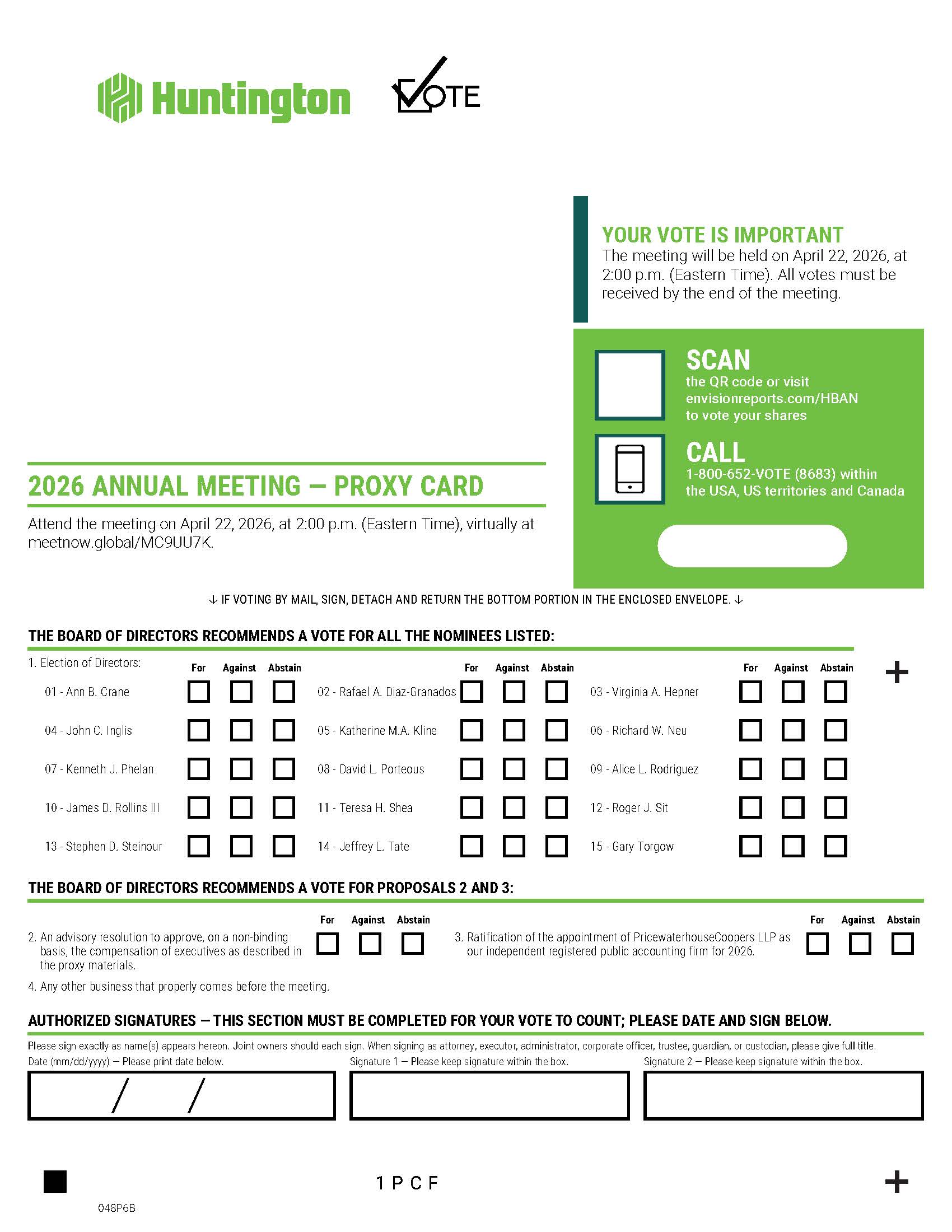
Huntington Vote YOUR VOTE IS IMPORTANT The meeting will be held on April 22, 2026, at 2:00 p.m. (Eastern Time). All votes must be received by the end of the meeting. SCAN the QR code or visit envisionreports.com/HBAN to vote your shares CALL 1-800-652-VOTE (8683) within the USA, US territories and Canada 2026 ANNUAL MEETING — PROXY CARD Attend the meeting on April 22, 2026, at 2:00 p.m. (Eastern Time), virtually at meetnow.global/MC9UU7K. IF VOTING BY MAIL, SIGN, DETACH AND RETURN THE BOTTOM PORTION IN THE ENCLOSED ENVELOPE. THE BOARD OF DIRECTORS RECOMMENDS A VOTE FOR ALL THE NOMINEES LISTED: 1. Election of Directors: For Against Abstain For Against Abstain For Against Abstain + 01 - Ann B. Crane 02 - Rafael A. Diaz-Granados 03 - Virginia A. Hepner 04 - John C. Inglis 05 - Katherine M.A. Kline 06 - Richard W. Neu 07 - Kenneth J. Phelan 08 - David L. Porteous 09 - Alice L. Rodriguez 10 - James D. Rollins III 11 - Teresa H. Shea 12 - Roger J. Sit 13 - Stephen D. Steinour 14 - Jeffrey L. Tate 15 - Gary Torgow THE BOARD OF DIRECTORS RECOMMENDS A VOTE FOR PROPOSALS 2 AND 3: For Against Abstain For Against Abstain 2. An advisory resolution to approve, on a non-binding basis, the compensation of executives as described in the proxy materials. 3. Ratification of the appointment of PricewaterhouseCoopers LLP as our independent registered public accounting firm for 2026. 4. Any other business that properly comes before the meeting. AUTHORIZED SIGNATURES — THIS SECTION MUST BE COMPLETED FOR YOUR VOTE TO COUNT; PLEASE DATE AND SIGN BELOW. Please sign exactly as name(s) appears hereon. Joint owners should each sign. When signing as attorney, executor, administrator, corporate officer, trustee, guardian, or custodian, please give full title. Date (mm/dd/yyyy) — Please print date below. Signature 1 — Please keep signature within the box. Signature 2 — Please keep signature within the box. 1 P C F +048P6B

ATTEND the meeting on April 22, 2026, at 2:00 p.m. (Eastern Time). YOUR VOTE MATTERS • Have a voice • Keep your account active • Stay informed To access the virtual meeting, you must have the login details in the white circle located on the reverse side. SAVE PAPER AND TIME... To receive meeting materials by email, enroll at envisionreports.com/HBAN. IF VOTING BY MAIL, SIGN, DETACH AND RETURN THE BOTTOM PORTION IN THE ENCLOSED ENVELOPE. 2026 ANNUAL MEETING — PROXY CARD + Proxy Solicited by the Board of Directors for Annual Meeting — April 22, 2026 The undersigned shareholder of Huntington Bancshares Incorporated, a Maryland corporation (“Huntington”), hereby appoints Kenneth K. Bellaire, Rachel L. Lawless, and Robert M. Pearson, or any of them, as proxies for the undersigned, with full power of substitution in each of them, to attend the Huntington Annual Meeting of Shareholders to be held on Wednesday, April 22, 2026, virtually via the internet at 2:00 p.m. Eastern Time, and any adjournment or postponement thereof, to cast on behalf of the undersigned all votes that the undersigned is entitled to cast at such meeting and otherwise to represent the undersigned at the meeting with all powers possessed by the undersigned if personally present at the meeting. The undersigned hereby acknowledges receipt of the Notice of the Annual Meeting of Shareholders and of the accompanying Proxy Statement, the terms of each of which are incorporated by reference, and revokes any proxy heretofore given with respect to such meeting. Huntington’s Board of Directors recommends a vote FOR each of the nominees for director, and FOR proposals 2 and 3. IF THIS PROXY IS PROPERLY EXECUTED AND NO DIRECTION IS MADE, THE VOTES ENTITLED TO BE CAST BY THE UNDERSIGNED WILL BE CAST: FOR THE ELECTION OF EACH OF THE DIRECTOR NOMINEES NAMED HEREIN; FOR AN ADVISORY RESOLUTION TO APPROVE, ON A NON-BINDING BASIS, THE COMPENSATION OF EXECUTIVES AS DESCRIBED IN THE PROXY MATERIALS; AND FOR THE RATIFICATION OF THE APPOINTMENT OF PRICEWATERHOUSECOOPERS LLP AS OUR INDEPENDENT REGISTERED PUBLIC ACCOUNTING FIRM FOR 2026. THE VOTES ENTITLED TO BE CAST BY THE UNDERSIGNED WILL BE CAST IN THE DISCRETION OF THE PROXY HOLDER ON ANY OTHER MATTER THAT MAY PROPERLY COME BEFORE THE MEETING OR ANY ADJOURNMENT OR POSTPONEMENT THEREOF. PARTICIPANTS IN THE HUNTINGTON 401(K) PLAN (THE “HUNTINGTON PLAN”) AND IN THE CADENCE BANK 401(K) PROFIT SHARING PLAN (THE “CADENCE PLAN”): THIS CARD ALSO CONSTITUTES VOTING INSTRUCTIONS TO THE TRUSTEE OF THE HUNTINGTON PLAN AND THE CADENCE PLAN, FIDELITY MANAGEMENT TRUST COMPANY. HUNTINGTON PLAN: IF NO DIRECTION IS MADE, THE TRUSTEE WILL VOTE THE PARTICIPANT’S SHARES IN THE SAME PROPORTION ON EACH PROPOSAL AS IT VOTES THE SHARES CREDITED TO PARTICIPANTS’ ACCOUNTS FOR WHICH IT HAS RECEIVED VOTING INSTRUCTIONS. CADENCE PLAN: IF NO DIRECTION IS MADE, THE PARTICIPANT’S SHARES ARE NOT VOTED. NON-VOTING ITEMS Change of Address — Please print new address below. Comments — Please print your comments below. +